Tiếng Việt














What Makes Croissants So Popular?
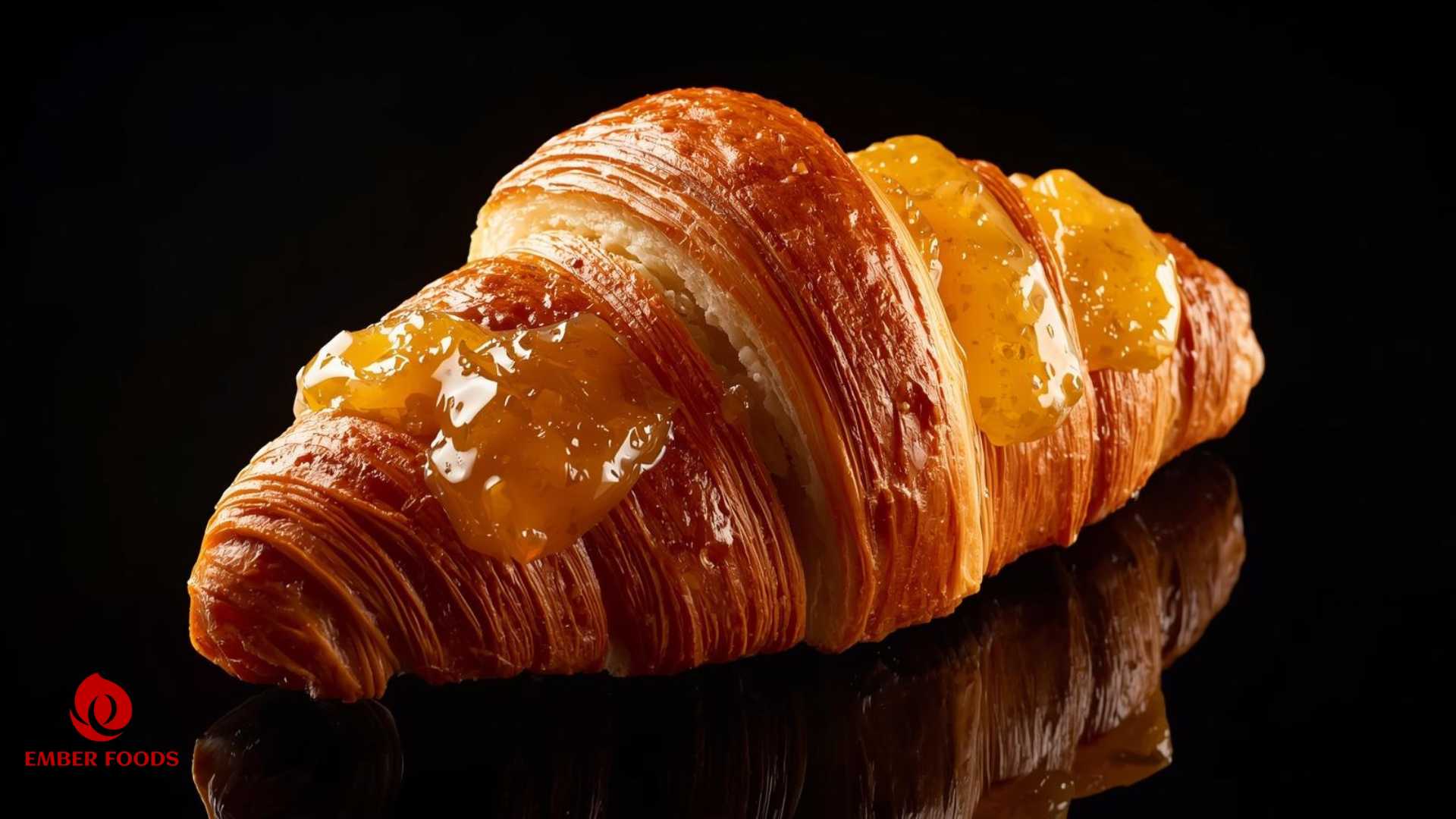
Croissants stand out for their combination of a lightly crisp exterior, a fluffy interior, and a distinctive buttery flavor. Their curved, crescent-like shape gives them an easily recognizable appearance, while the technique used to create multiple layers gives the pastry its characteristic flaky texture when eaten. This is also why croissants, also known as horn-shaped pastries, are commonly found among breakfast pastry options and on bakery menus.
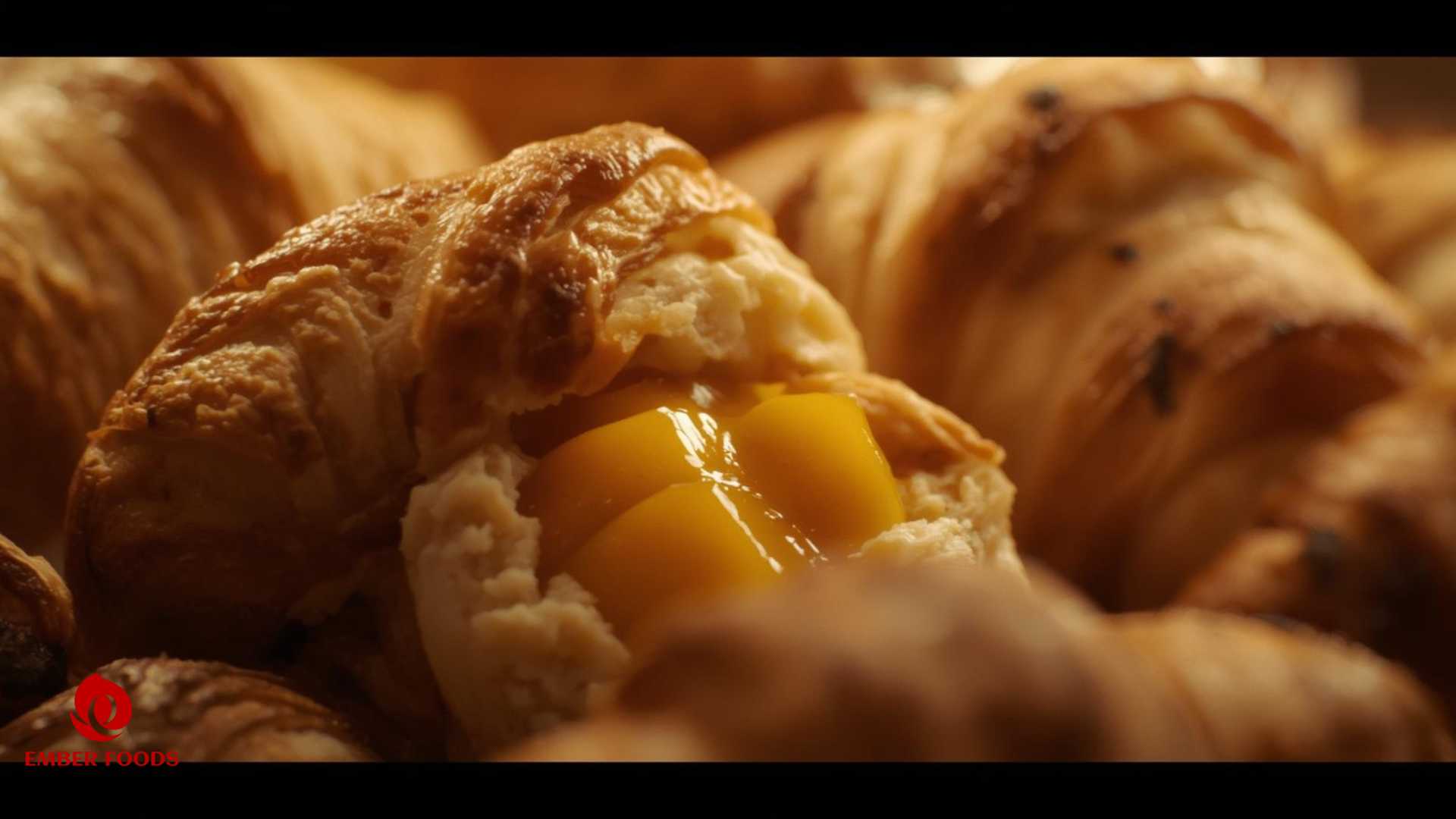
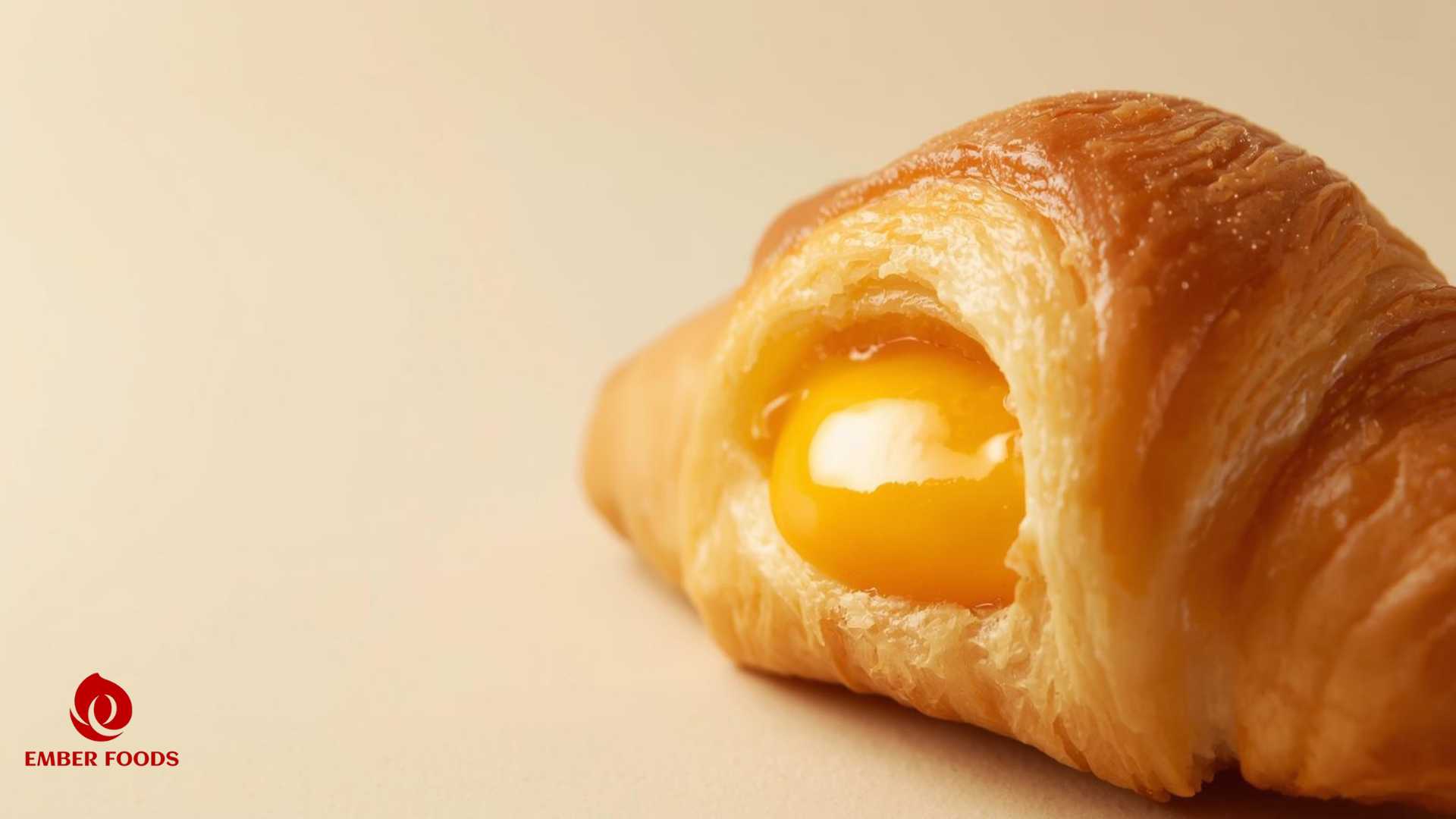
Croissants typically have a crescent shape, with a golden-brown exterior after baking. When the pastry is pulled apart, the fluffy interior contains small air pockets that create a light and flaky texture. The crust is crisp without being overly hard, while the inside is softer and carries the aroma of butter. The contrast between the exterior and interior is one of the characteristics that makes this type of pastry easy to enjoy in the morning or with a beverage.
What Ingredients Are Used to Make Croissants?
The basic croissant recipe includes wheat flour, butter, yeast, sugar, salt, and milk; some recipes also include eggs depending on the intended production purpose. Among these ingredients, the dough provides the structural foundation, while butter and fat contribute to the aroma, softness, and characteristic layers after baking.
Wheat flour provides protein that forms the gluten network, allowing the dough to retain gas during fermentation. Yeast produces gas, causing the dough to increase in volume and develop a fluffy texture. Sugar contributes flavor and helps create the golden-brown color on the surface, while salt balances the taste. Milk and eggs may be used to adjust softness, color, and nutritional value.
Butter is an important component in the lamination process. The fat is placed between layers of dough, which then undergoes multiple rounds of rolling and folding. When the temperature and condition of the butter are properly controlled, the butter can remain distributed in thin layers without completely blending into the dough, helping create the pastry’s distinctive aroma and texture.
Why Do Croissants Have Multiple Crisp and Flaky Layers?
The layers of a croissant are formed mainly through the processes of rolling, folding, and placing laminated butter between the layers. After proofing and fermentation, the dough is shaped and then baked. When exposed to heat, the water in the dough and butter produces steam, while the gas generated by the yeast causes the layers of dough to separate, creating the multilayered structure and internal air pockets.
The dough is rolled into a sheet and then folded according to a suitable process to create multiple layers of dough and butter. Each round of rolling and folding increases the number of layers. This process requires careful control of thickness, temperature, and resting time so that the layers do not become compressed together or cause the butter to melt into the dough.
When the pastry enters the oven, water turns into steam and creates pressure between the layers of dough. The gas produced during fermentation also expands when exposed to heat. This combination helps form a series of connected air pockets, often observed as a honeycomb structure in the interior of the pastry.
What Are the Most Common Types of Croissants?
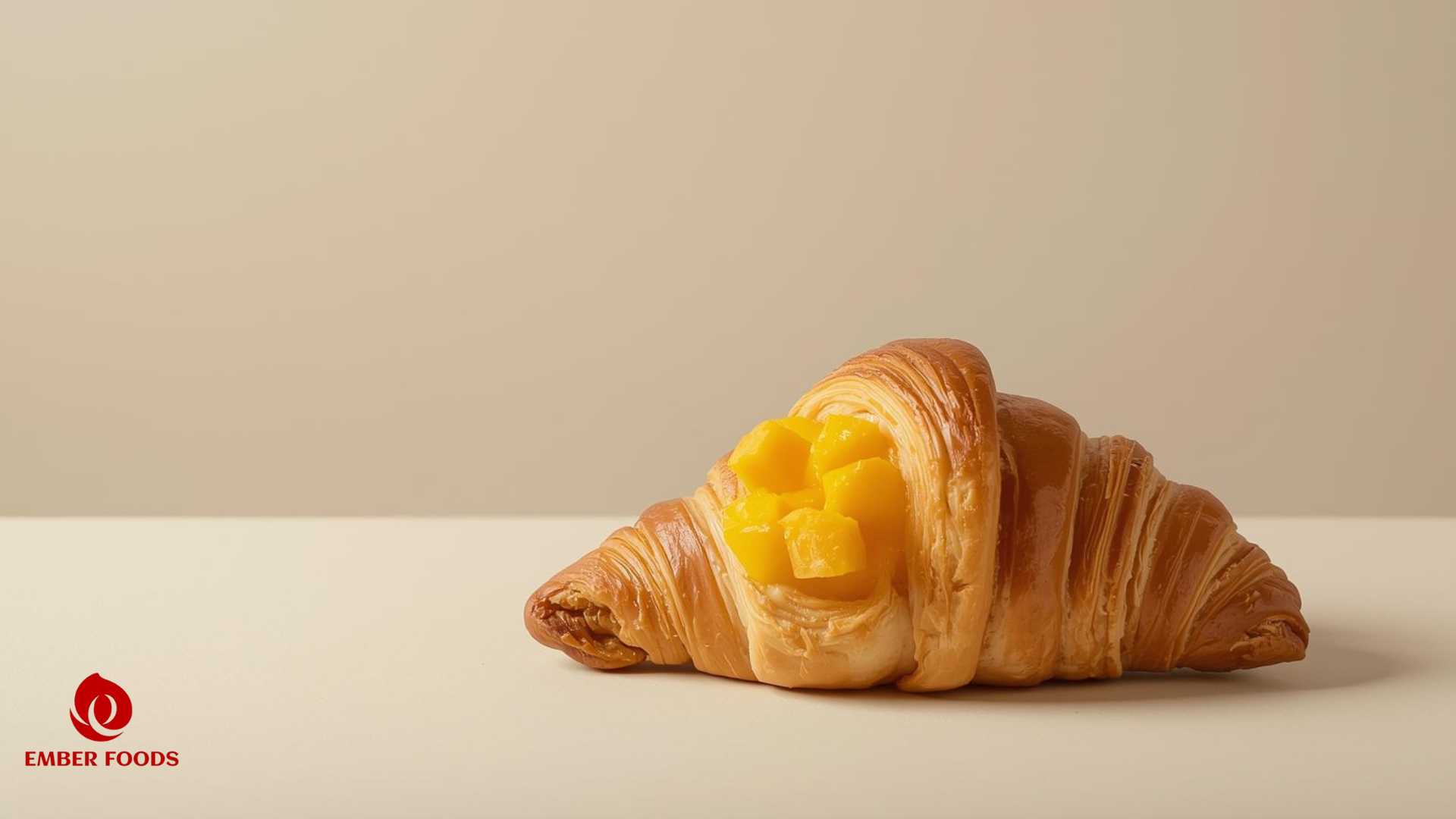
Based on the basic recipe, croissants can be modified into many versions depending on the filling and finishing method. Common varieties include traditional croissants, chocolate-filled croissants, almond-filled croissants, cheese-filled croissants, as well as savory and sweet-filled versions. Each type differs in flavor, richness, and suitability for different occasions.
Traditional croissants usually contain no filling and focus on the quality of the crust, interior, and buttery aroma. This type pairs easily with coffee, milk, or other beverages.
Chocolate and almonds are popular choices for increasing sweetness, richness, and depth of flavor. With sweet fillings, the amount of filling can significantly affect the eating experience and the total energy content of the serving.
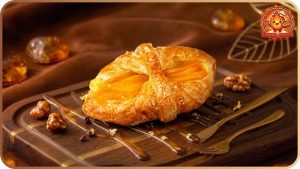
Cheese-filled croissants have a more pronounced rich and savory flavor. Savory versions may also include meat, sausages, or other ingredients suitable for the recipe. These varieties often create a greater sense of fullness compared with unfilled pastries.
How Many Calories Are in a Croissant and How Should It Be Eaten Appropriately?
The calorie content of a croissant is not fixed because it depends on the pastry’s size, amount of butter, sugar, and filling. Croissants have a relatively high energy content because they contain wheat flour and fat. Therefore, when incorporating them into a diet, attention should be paid to portion size and the overall nutritional content of the meal rather than relying solely on the name of the pastry.
A croissant can provide carbohydrates from wheat flour and sugar, while also containing a significant amount of fat from butter and other ingredients. If chocolate, cheese, or sweet fillings are added, the energy content of the serving may increase. The specific nutritional value should be determined based on the actual recipe and weight of each product.
Croissants can be eaten for breakfast because they provide energy from carbohydrates and fat. However, they should ideally be combined with a source of protein, vegetables, fruit, or fiber-rich foods to make the meal more balanced. For people who need to manage their energy intake, an appropriate portion can be chosen based on daily nutritional needs, while avoiding the simultaneous consumption of multiple foods high in fat and sugar.
Article Summary
Croissants are known for their crisp crust, fluffy interior, buttery flavor, and multilayered structure. Their basic ingredients include wheat flour, butter, yeast, and several other ingredients that help complete the flavor and texture. The technique of rolling and folding the dough combined with fermentation creates the characteristic pastry layers. Croissants come in many versions, from traditional varieties to chocolate, almond, cheese, and savory-filled options. Because they contain a considerable amount of energy from flour and fat, they should be consumed in an appropriate portion as part of an overall balanced diet.
Frequently Asked Questions
Are Croissants the Same as “Horn-Shaped Pastries”?
Croissants are commonly referred to as horn-shaped pastries in Vietnam because of their curved, horn-like appearance. They have a crisp, multilayered exterior and a relatively fluffy interior. Their characteristic flavor generally comes from butter combined with fermented dough. Depending on the recipe, croissants can be served without filling or combined with various types of fillings.
How Are Croissants Different from Regular Bread?
Croissants use fermented dough but develop a multilayered structure by rolling and folding the dough together with butter. This process creates a crisp, layered exterior and a lighter interior compared with regular bread. Croissants also have a higher fat content because butter plays an important role in the lamination process. As a result, the flavor and texture of the two types of baked goods are noticeably different.
Are Croissants Suitable for Breakfast?
Croissants can be eaten for breakfast because they provide energy from carbohydrates and fat. However, their nutritional composition varies depending on their size, recipe, and type of filling. Varieties containing chocolate, cream, or sweet fillings generally contain additional sugar and energy. If eaten regularly, they should be consumed in moderate portions and paired with protein-rich foods, vegetables, or fruit.