Tiếng Việt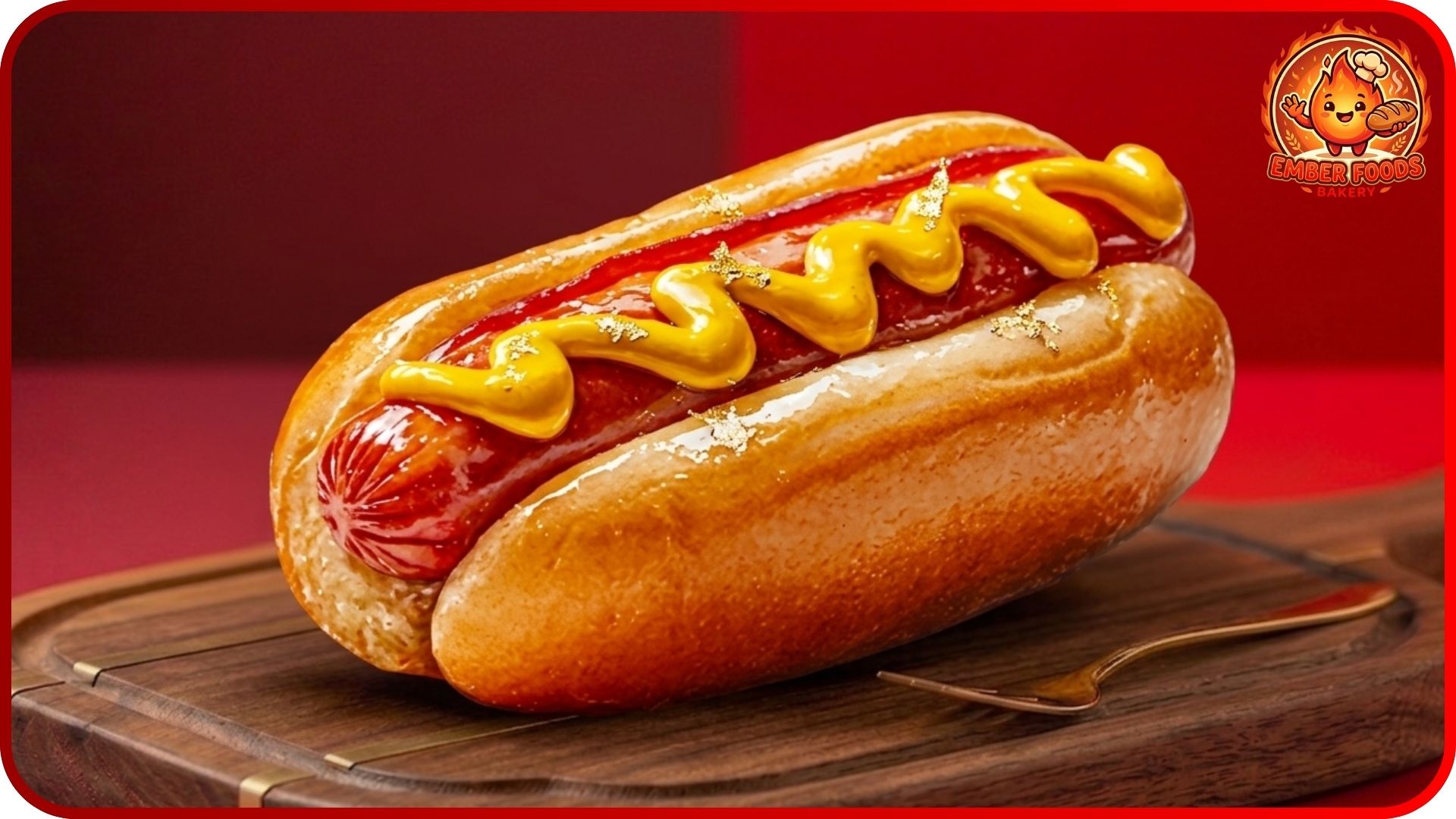













What Is a Hotdog Bun and What Are Its Easily Recognizable Characteristics?
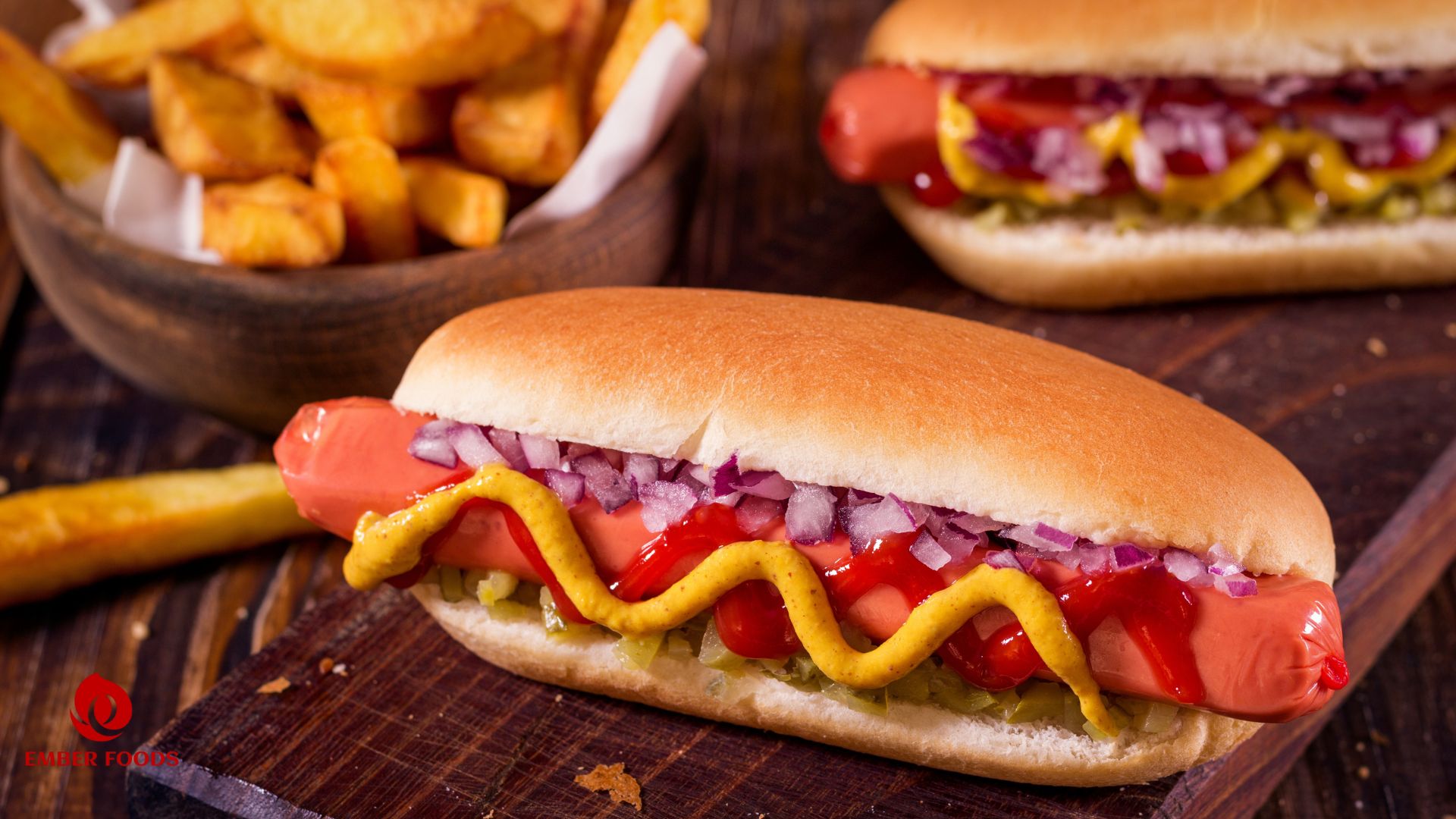
A Hotdog bun is a familiar type of fast food, usually consisting of soft bread filled with savory ingredients, most commonly sausage. With its convenient way of holding and eating, this food is commonly found in bakeries, fast-food stalls, and as a snack. The flavor of the bun can vary depending on the type of filling and accompanying sauces.
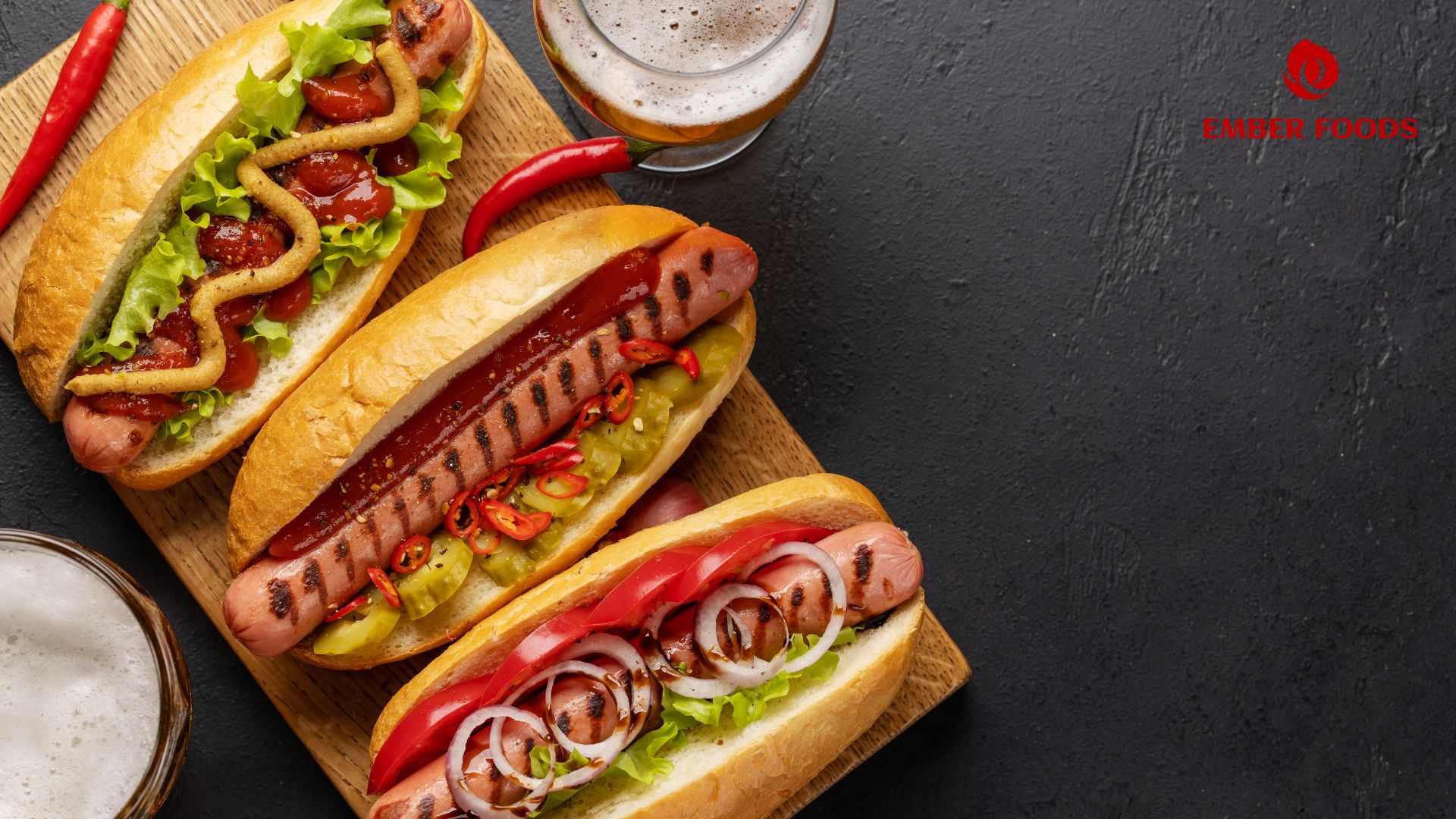
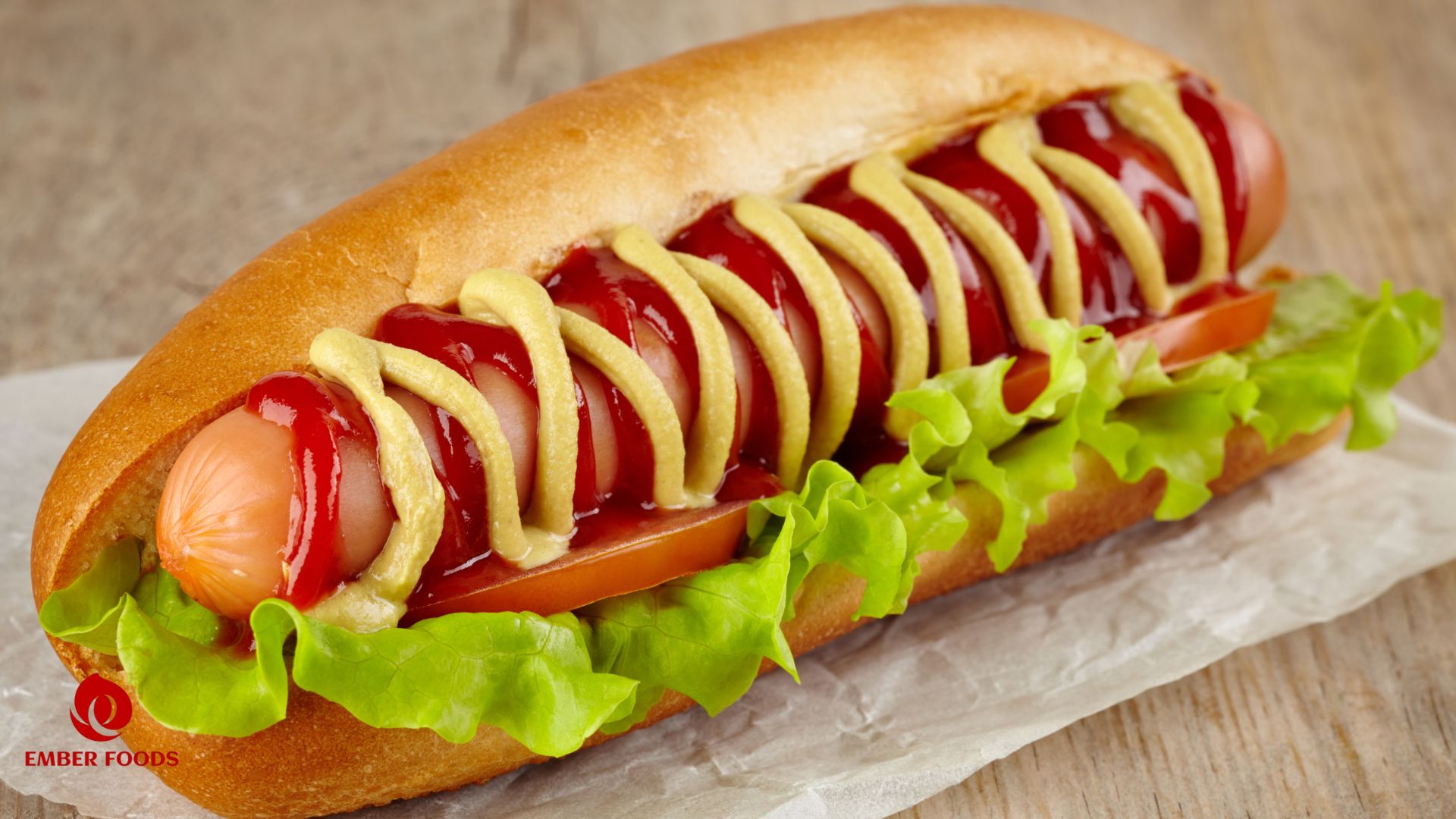
An easily recognizable characteristic of a Hotdog bun is its long, soft bread, which is sliced in the middle to hold sausage or other fillings. Sausage is usually the main ingredient that provides the primary flavor, combined with sauces to enhance the overall taste. Some versions also include vegetables, cheese, or meat to create greater variety in texture and flavor.
The soft bread itself also has a significant influence on the eating experience. The bread usually has a mild flavor to balance the savory filling inside. Ketchup, chili sauce, or other accompanying sauces can give the Hotdog bun sweet and sour, spicy, or creamy flavors depending on how it is prepared.
What Ingredients Does a Hotdog Bun Contain?
The ingredients in a Hotdog bun are quite flexible. The basic version usually contains bread and sausage, while variations may include ham, cheese, vegetables, and various sauces. This combination determines the flavor as well as the nutritional value of each bun.
The bread serves as the outer layer, while the sausage is usually placed at the center of the filling. Depending on the recipe, the filling may use meat-based sausage or combine it with ham to create greater variety. This is also why Hotdog buns come in many different versions on the market.
Cheese provides richness and softness, while vegetables can create a fresher sensation when eating. Some types of buns include onions, lettuce, or vegetables prepared to suit different tastes. These ingredients are not always present in traditional Hotdog buns.
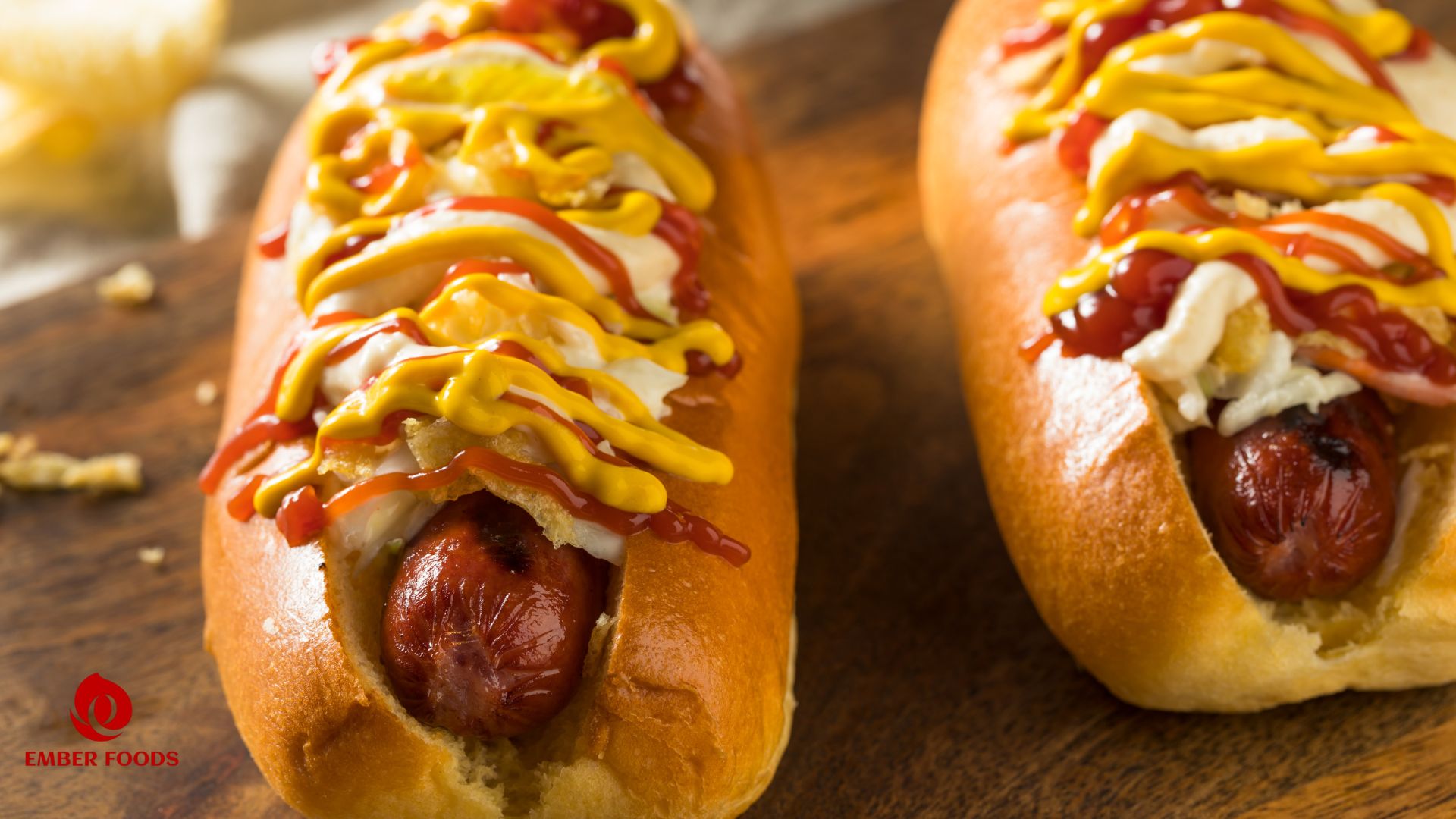
Sauces are often added directly to the filling or served separately when eating. Ketchup provides a sweet and sour flavor, chili sauce is suitable for those who enjoy spicy flavors, while mayonnaise generally adds a creamy and softer sensation. The amount of sauce used can also significantly change the energy content of the bun.
What Are the Common Types of Hotdog Buns?
Based on the basic recipe, Hotdog buns are varied according to their ingredients and sauce combinations. Classification is not completely fixed because each store may have its own recipe. However, some of the following types are commonly encountered by consumers.
Traditional Hotdogs usually focus on bread, sausage, and basic sauces. Sausage Hotdogs may also be named in a way that emphasizes the main ingredient, with various choices of sausage differing in size and flavor.
Cheese Hotdogs usually contain cheese inside the filling or on top to increase the richness. Meanwhile, Bacon Hotdogs combine bacon with the other ingredients, creating a more intense flavor and appealing to people who enjoy meat-based fillings.
Vegetable Hotdogs add plant-based ingredients to balance the flavor. With Sauce Hotdogs, the main difference usually lies in the type of sauce used, such as spicy sauce, cheese sauce, or sauces with distinctive flavors based on a specific recipe.
How Many Calories Does a Hotdog Bun Have and How Should It Be Eaten Appropriately?
The calories in a Hotdog bun do not have a fixed value because they depend on the size of the bun, type of sausage, filling, and amount of sauce. A bun can provide energy from carbohydrates in the bread, protein from the meat, and fat from sausage, cheese, or sauces. Therefore, the actual ingredients should be considered rather than relying solely on the name of the food.
A Hotdog bun generally provides carbohydrates, protein, and fat in varying proportions depending on the recipe. The sodium content can be relatively high when sausage and large amounts of processed sauces are used. People who need to control their salt or energy intake should pay attention to the ingredients and serving size.
A Hotdog bun can be consumed as a quick meal or snack depending on individual energy needs. When the bun contains a lot of cheese, bacon, and sauce, the portion should be balanced with other foods consumed throughout the day. Adding vegetables and limiting the amount of sauce can help make the meal less nutritionally unbalanced while maintaining its familiar flavor.
Article Summary
A Hotdog bun is a popular sausage-filled bread known for its convenient way of eating and flavor that can vary depending on the type of filling. Its basic ingredients are soft bread and sausage, but it can also be combined with cheese, ham, vegetables, and accompanying sauces. Traditional Hotdogs, Cheese Hotdogs, Bacon Hotdogs, and Vegetable Hotdogs each have their own characteristics. The calorie content of a Hotdog bun depends on its size, ingredients, and serving portion. Therefore, choosing suitable ingredients and consuming an appropriate amount can help balance daily nutritional needs.
Frequently Asked Questions
What is a Hotdog bun?
A Hotdog bun is a fast food consisting of soft bread sliced lengthwise to hold sausage along with various sauces and accompanying ingredients. Depending on the recipe, the bun may also contain cheese, ham, vegetables, or bacon. The flavor generally combines the savory taste of sausage, the softness of the bread, and the rich flavor of the sauce. The bun is commonly eaten for breakfast or as a snack.
Does a Hotdog bun always contain sausage?
The most common Hotdog version uses sausage as its main filling, so many people consider it a characteristic ingredient of the dish. However, some variations may replace the filling with meat, cheese, or other ingredients. Therefore, the specific ingredients depend on the recipe and preparation method. When purchasing a bun, the filling should be checked if controlling nutritional components is necessary.
Does a Hotdog bun contain a lot of calories?
The calorie content of a Hotdog bun is not fixed and depends on its size, type of sausage, amount of cheese, and sauce. Buns containing more processed meat, cheese, or rich sauces generally provide more energy. When eaten in a moderate portion, a bun can be consumed as a quick meal. Adding vegetables and avoiding excessive sauce can help balance the portion.