Tiếng Việt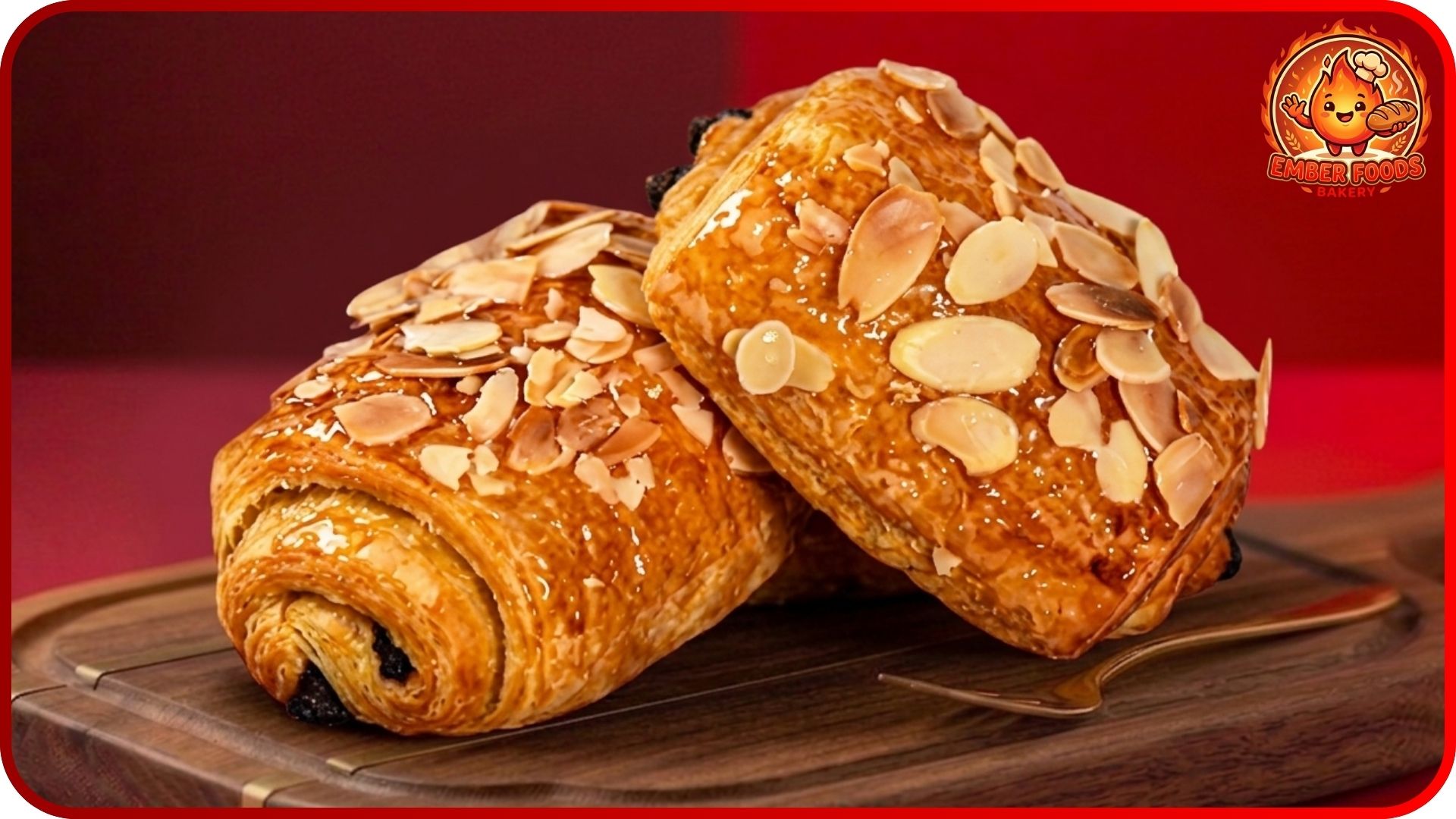





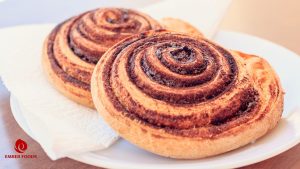
What Makes Chocolate Rolled Puff Pastry Special?
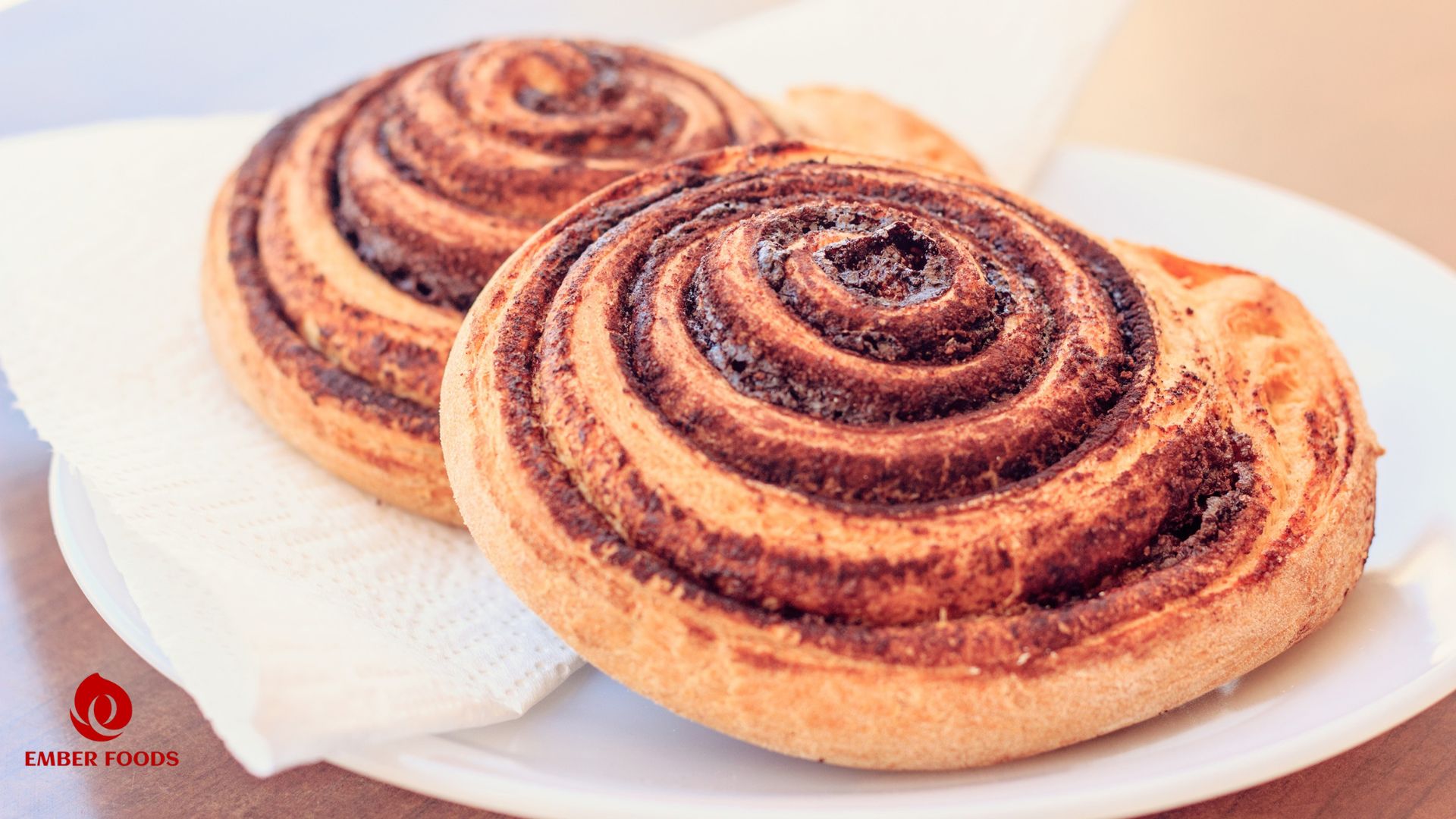
Chocolate Rolled Puff Pastry stands out with its crust made of multiple layers of thin dough stacked and rolled together, creating an attractive shape after baking. The surface of the pastry is usually lightly crispy, while the inner layers are flaky and easy to separate. The buttery aroma blends with the chocolate flavor, creating a balance between richness and intense sweetness. When enjoyed while still appropriately fresh, the multilayered structure provides a more pronounced texture.
The chocolate filling is placed between the layers of pastry and can provide an intense, rich, or slightly bitter flavor depending on the type of chocolate used. The buttery flavor from the crust helps soften the intensity of the cocoa while creating the pastry’s distinctive aroma. The amount of filling also affects the eating experience: more filling makes the pastry softer and richer, while a moderate amount helps preserve the crispness of the crust.
What Ingredients Are Used to Make Chocolate Rolled Puff Pastry?
Flour provides the main structure for the crust, while butter is laminated between the layers of dough to form the distinct layers. Yeast supports the fermentation process, helping the pastry rise and giving the interior a lighter texture after baking. Sugar, salt, and milk are used to adjust the flavor, moisture, and characteristics of the dough.
Chocolate can be used as a filling or combined with cocoa powder to intensify the flavor. Eggs may also be included in the recipe to add richness, color, and help stabilize the pastry structure. Depending on the preparation method, the chocolate filling can be in the form of bars, sauce, or a cream mixture.
Why Does Chocolate Rolled Puff Pastry Have Multiple Crispy and Flaky Layers?
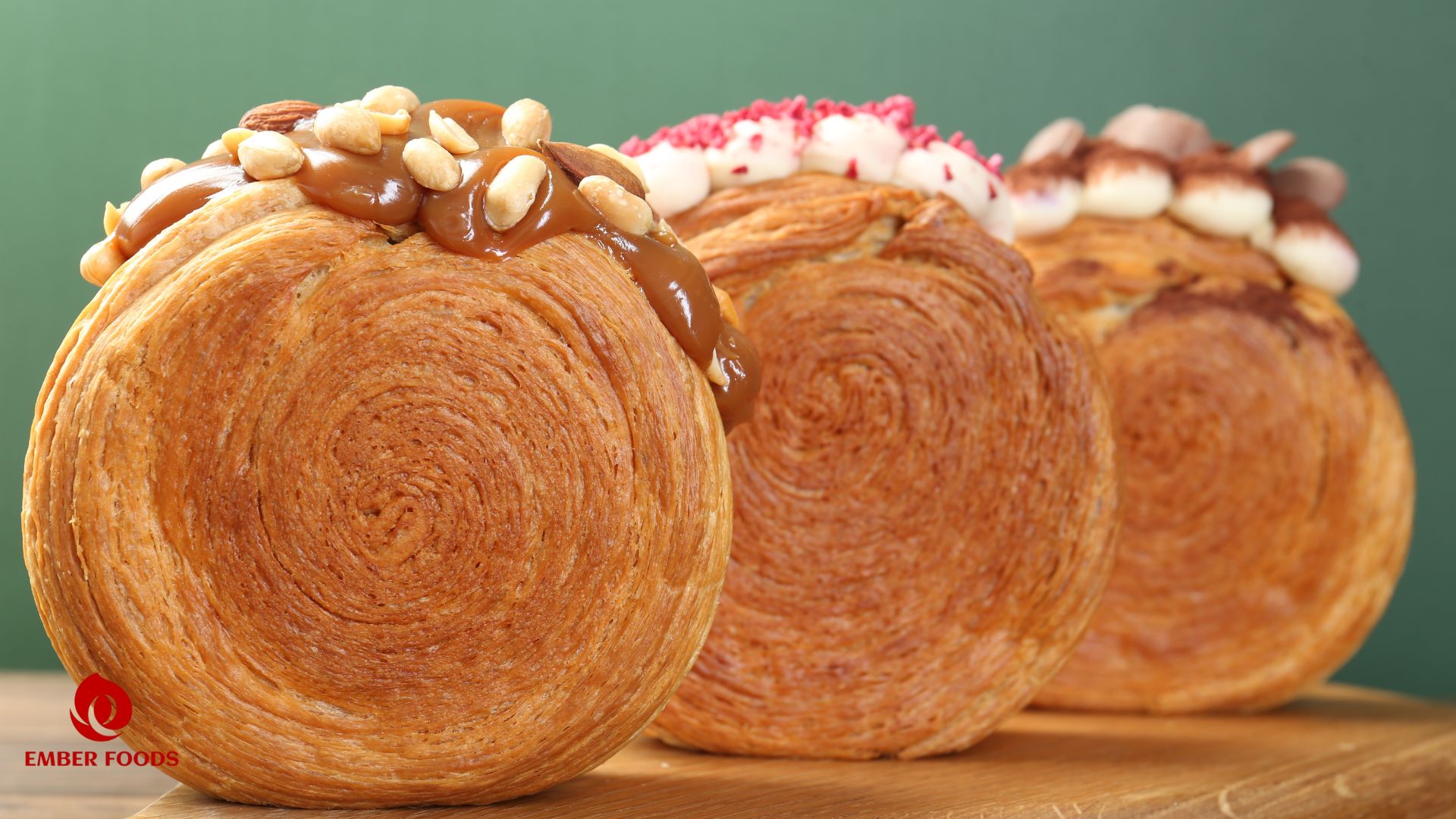
The pastry layers are formed by rolling the dough into a thin sheet, placing laminated butter between the layers, then folding and rolling according to the appropriate process. The purpose is to create multiple layers of dough alternating with fat without allowing them to blend completely. After rolling and shaping, the pastry is left to proof so that the dough structure can continue developing before baking.
When exposed to heat, the water in the dough and butter turns into steam, creating pressure between the layers. As a result, the thin layers of dough can separate and form a multilayered structure. The baking temperature needs to be sufficient for the crust to set quickly, creating a crispy exterior while the inside remains light and flaky.
What Types of Fillings Are Used in Chocolate Rolled Puff Pastry?
Dark chocolate typically provides a pronounced cocoa flavor, lower sweetness, and may leave a slightly bitter aftertaste. Milk chocolate has a milder sweetness and richer flavor, making it suitable for recipes designed around a gentler taste. The choice of chocolate directly affects the sweetness and aroma of the filling.
Chocolate cream and chocolate sauce create a soft filling that blends easily with the pastry layers when eaten. Some recipes may combine additional cocoa powder to intensify the filling or add nuts to create extra crunch and nutty flavor. The more diverse the filling ingredients, the more the texture and energy content of the pastry can vary.
How Many Calories Does Chocolate Rolled Puff Pastry Have?
The calorie content of the pastry depends on its size, the proportion of butter and sugar, and the amount of chocolate filling. The dough provides carbohydrates, butter contributes fat, while chocolate and cocoa may add additional fat, sugar, and a certain amount of protein. Versions containing more cream or chocolate sauce generally provide more energy than those with simpler fillings.
To manage energy intake, attention should be paid to the portion size rather than relying solely on the pastry’s name. A small pastry eaten as a snack will provide a different total amount of energy compared with a larger pastry containing more filling. When eaten for breakfast, it can be paired with protein-rich foods and fruit to create a more balanced meal.
Summary of the Article
Chocolate Rolled Puff Pastry combines a multilayered crust with a rich and aromatic chocolate filling, creating a contrast between crispness, flakiness, and softness. The pastry structure is formed through the process of rolling and folding the dough with butter, followed by proofing and baking at an appropriate temperature. The filling may use dark chocolate, milk chocolate, chocolate cream, or chocolate sauce, sometimes combined with nuts. Butter creates the distinctive aroma of the crust, while cocoa enhances the chocolate flavor. The energy content varies depending on the recipe, size, and amount of filling in each type of pastry.
Frequently Asked Questions
What Does Chocolate Rolled Puff Pastry Taste Like?
The pastry usually has a lightly crispy, flaky crust with a buttery aroma after baking. The chocolate filling provides sweetness, richness, and a pronounced cocoa aroma to the interior. Depending on the type of chocolate used, the pastry may have a mild sweetness or a slightly bitter taste. The combination of the multilayered crust and chocolate filling creates an experience that is both crisp and soft when eaten.
Why Can Puff Pastry Form Multiple Thin Layers?
The pastry layers are formed by rolling and folding the dough together with layers of fat. During baking, the steam in the dough and butter creates pressure that helps the dough layers separate. The number of rolling and folding cycles, dough temperature, and control of the fat all affect the final structure. If the process is not carried out properly, the pastry may have less distinct layers or lose its crispness.
Is Chocolate Rolled Puff Pastry High in Calories?
The calorie content of the pastry depends on its size, amount of butter, sugar, and chocolate filling. The pastry dough provides carbohydrates, while butter and chocolate generally add fat and energy. Versions with more filling or additional chocolate sauce tend to have a higher total energy content. If the pastry is eaten as a snack, an appropriate portion should be chosen according to daily energy needs.