

 Tiếng Việt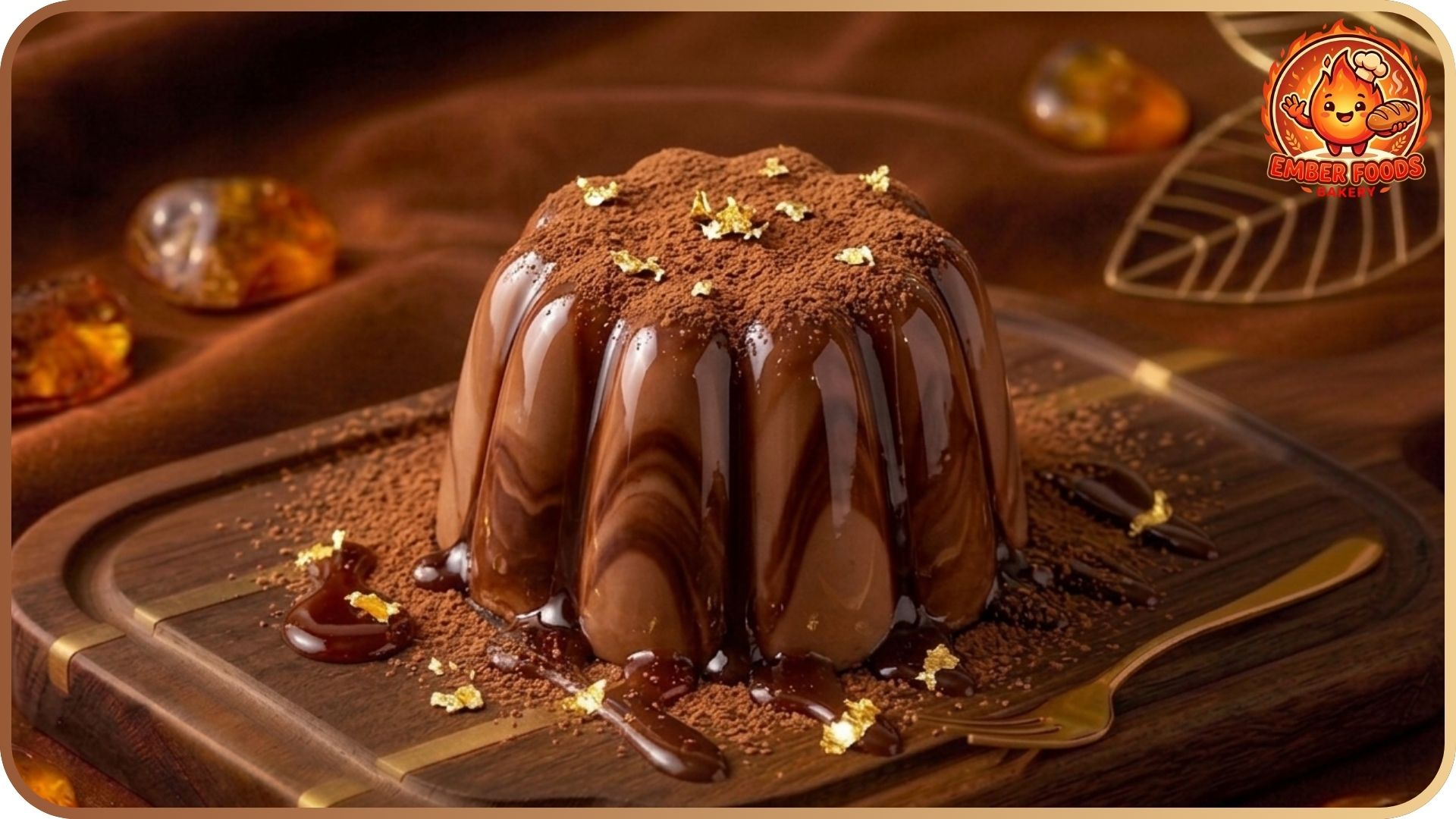





What Makes Pudding Special and How Is Its Texture So Smooth and Soft?
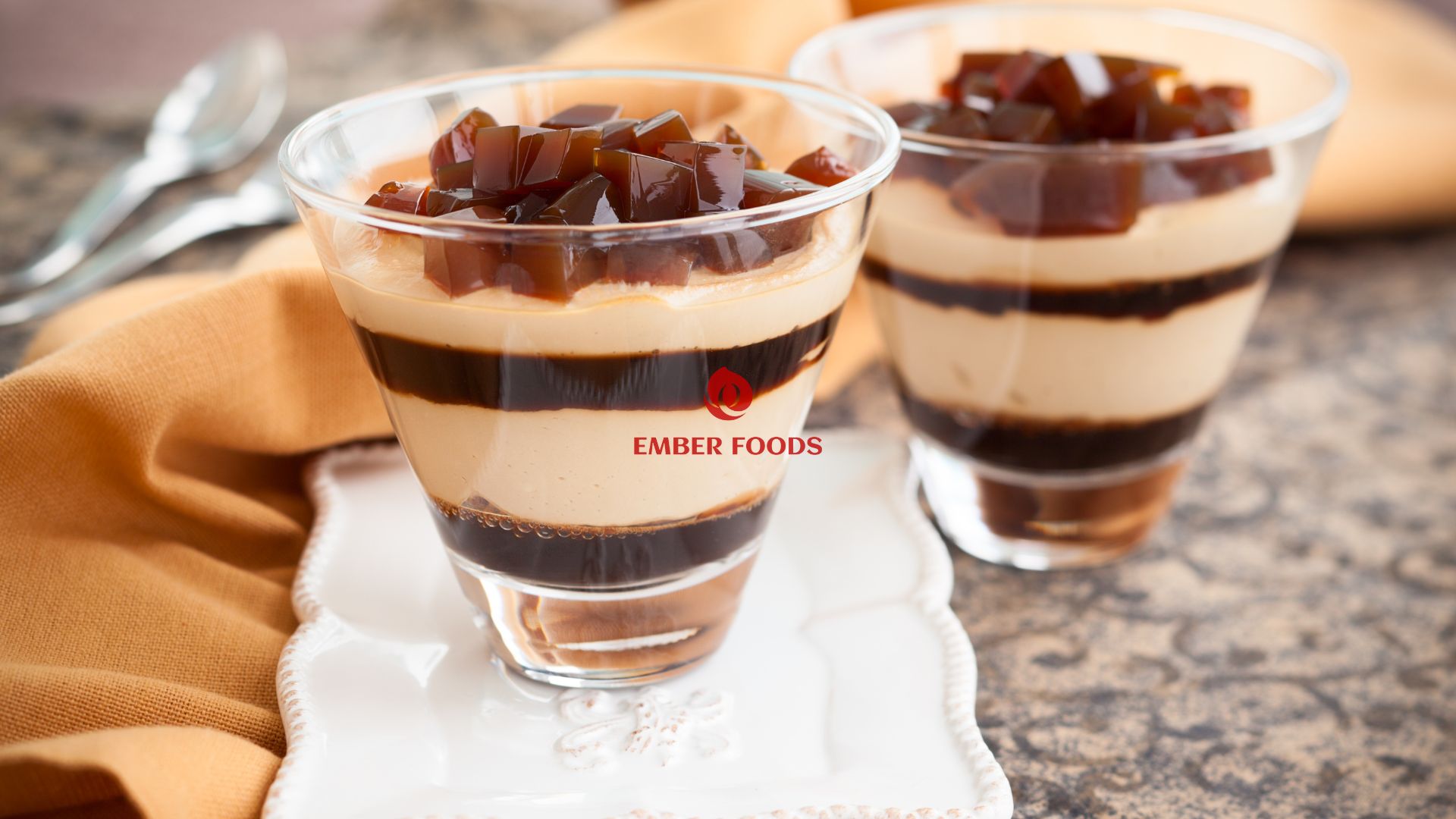
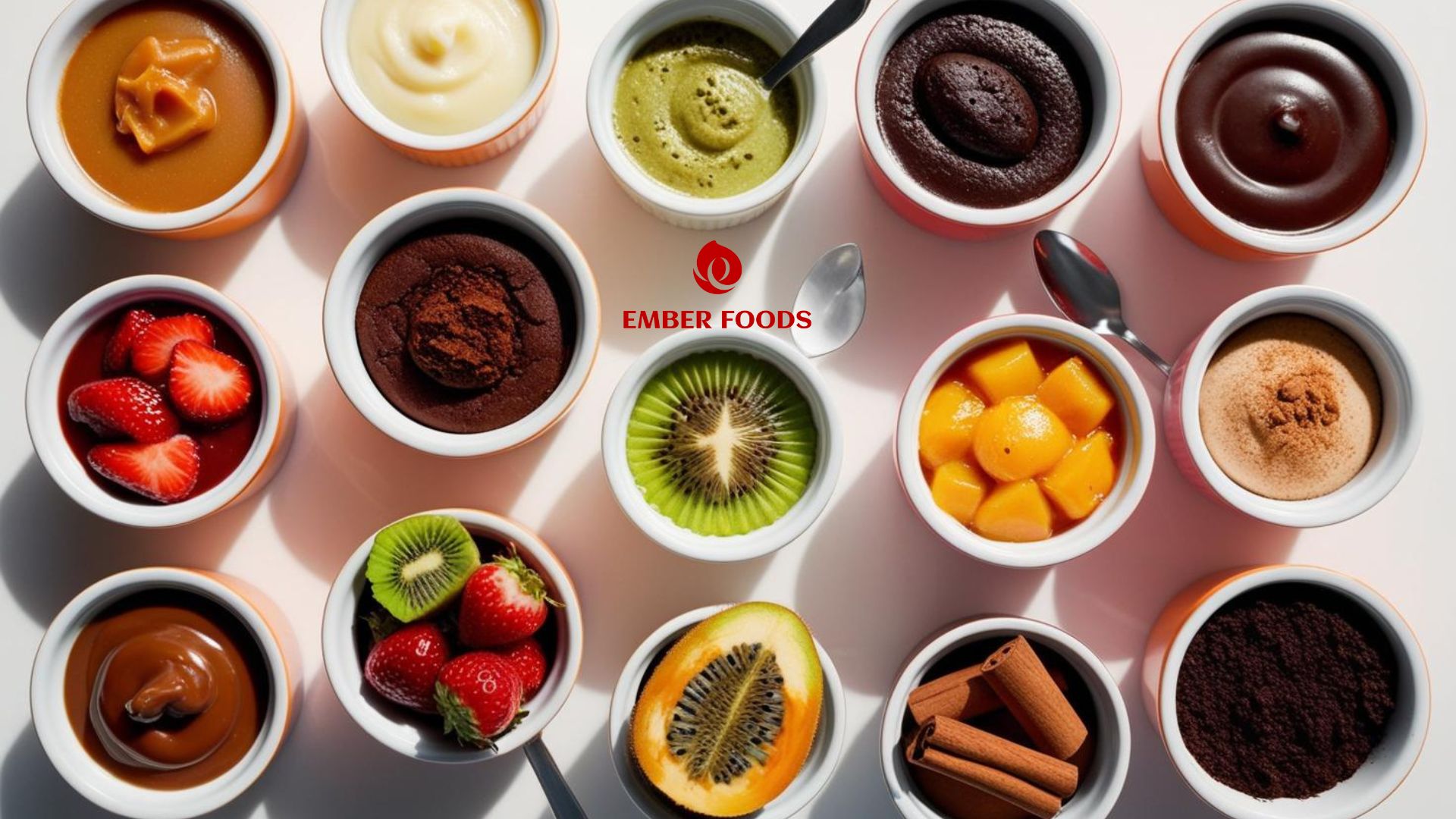
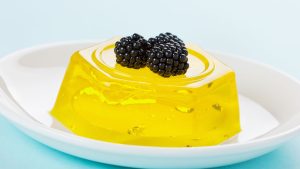
Pudding is a beloved dessert known for its soft, smooth, and easy-to-eat texture. Depending on the recipe, it can be made from milk, eggs, sugar, or cream, and then set using heat or refrigeration. The appeal of pudding does not lie in an outer crust but mainly in its soft, smooth texture that gently melts in the mouth and its richness, which is adjusted according to the ingredients used.
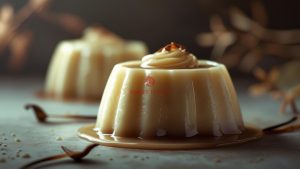
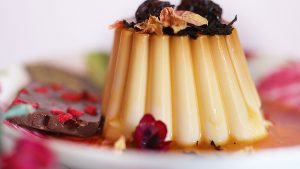
A smooth and soft texture is the most recognizable characteristic of pudding. When prepared properly, the mixture has a smooth consistency without lumps and maintains a certain shape when removed from the mold. Some varieties are so soft that they almost melt in the mouth, while others have a firmer texture.
Milk and eggs are familiar ingredients that create the characteristic flavor of many types of pudding. Cream can be added to increase richness and enhance the smooth sensation. The amount of sugar is adjusted according to preference, allowing the dessert to have a moderately sweet or more pronounced sweetness.
What Ingredients Are Used to Make Pudding?
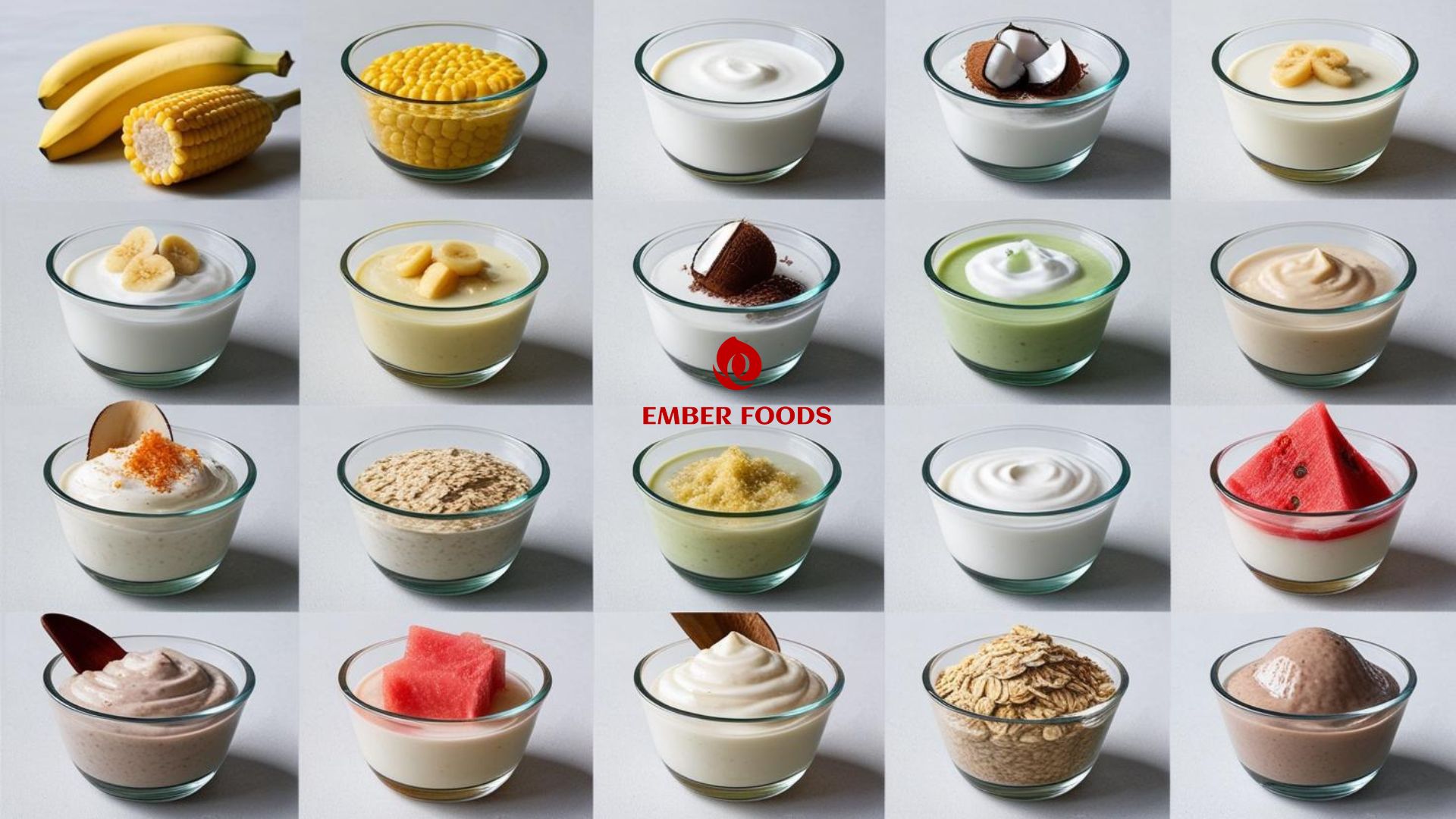
The ingredients used to make pudding vary considerably depending on the preparation method and desired flavor. Some varieties rely on eggs to create the setting structure, while certain recipes use gelatin or starch. Flavoring ingredients such as vanilla, cocoa powder, and green tea powder also help create different variations.
Fresh milk provides aroma and softness, eggs contribute to the structure of the pudding when heated appropriately, and sugar provides sweetness. This group of ingredients commonly appears in traditional puddings and can be adjusted in proportion depending on the recipe.
Gelatin helps the mixture form a soft set after refrigeration, while starch can thicken the mixture when heated. The choice of setting ingredient directly affects the eating experience, ranging from softly jiggly to thicker and firmer.
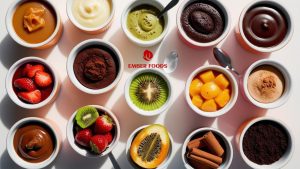
Vanilla generally provides a gentle aroma, while cocoa powder creates a distinctive chocolate flavor. Green tea powder is suitable for puddings with a mild aroma and slightly astringent taste. These ingredients are often combined with a milk base to create a more defined flavor.
What Are the Common Types of Pudding?
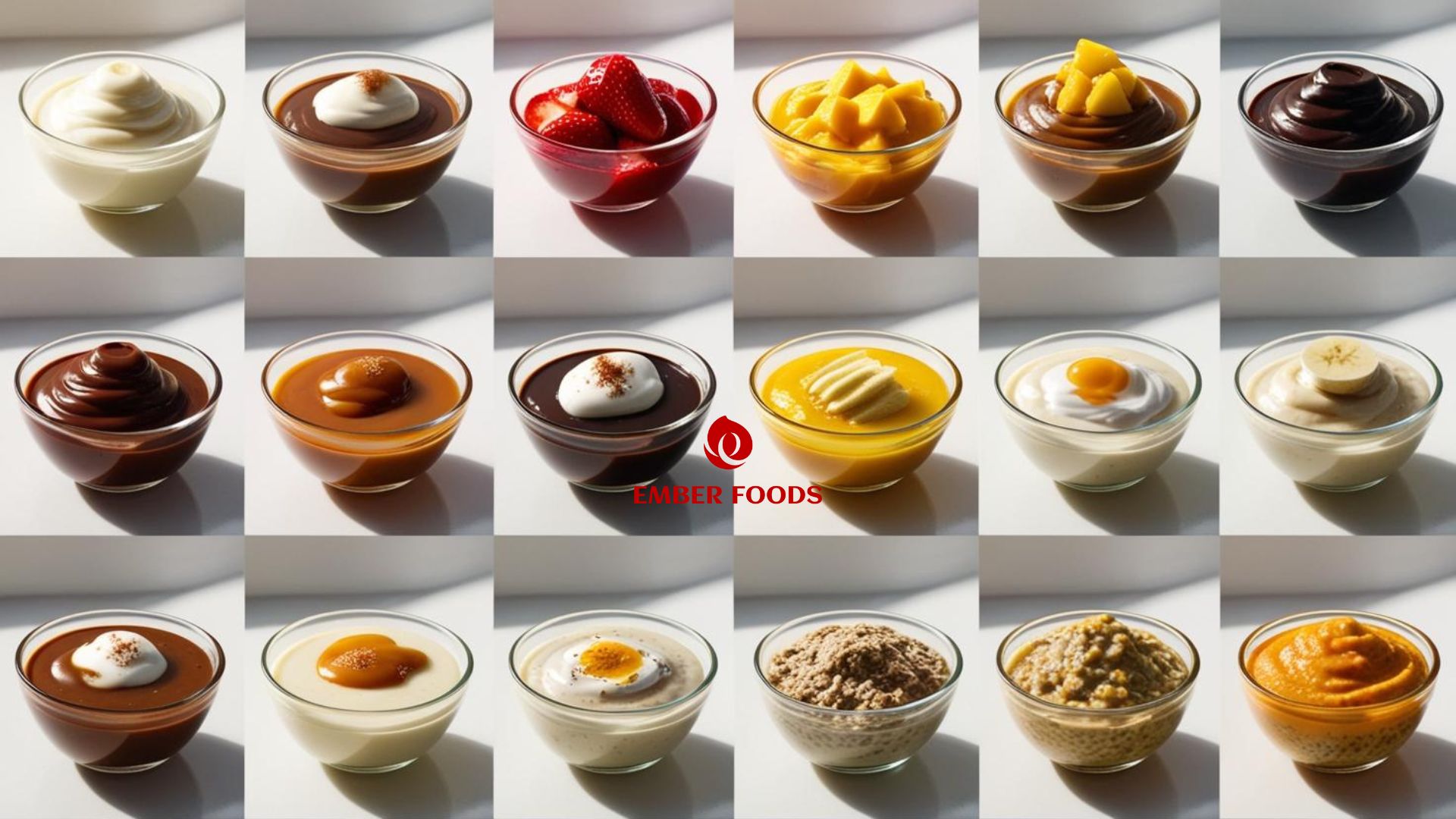
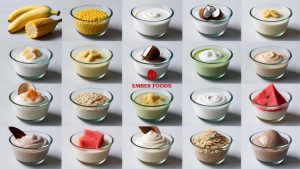
Pudding comes in many different versions based on the main ingredients and flavoring methods. Each type differs in color, richness, sweetness, and texture, making this dessert suitable for a wide range of preferences.
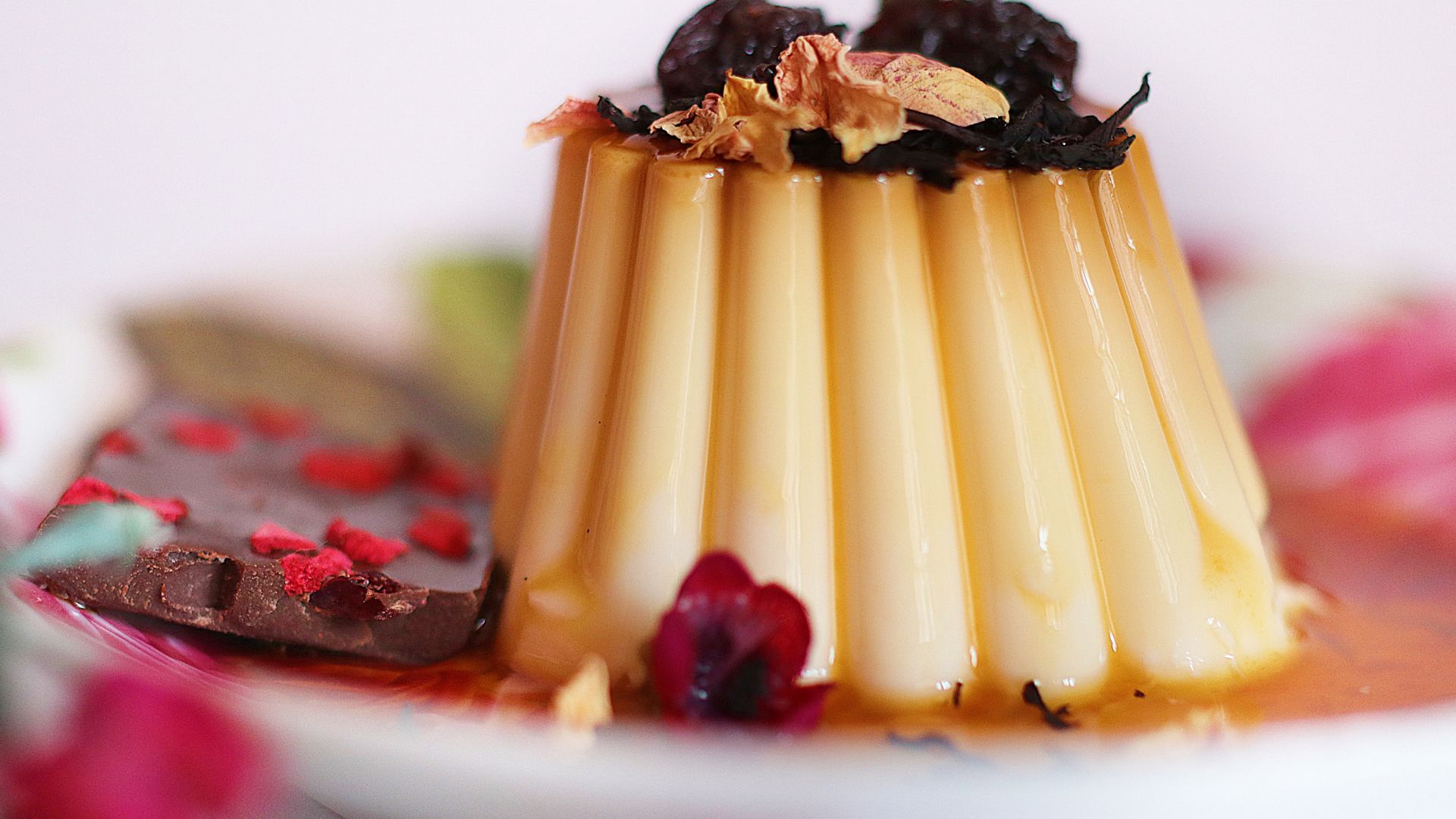
Egg pudding usually has a rich, aromatic flavor from eggs combined with milk. Milk pudding has a milder flavor depending on the recipe. Meanwhile, caramel pudding typically includes a layer of caramelized sugar that provides its distinctive color and flavor, balancing the soft pudding underneath.
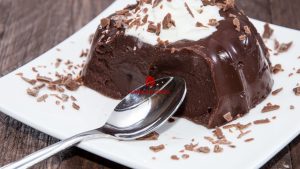
Chocolate pudding is suitable for those who enjoy a rich cocoa flavor, while green tea pudding has the characteristic flavor of green tea powder. Both types can use milk or dairy cream to soften and balance the flavor.
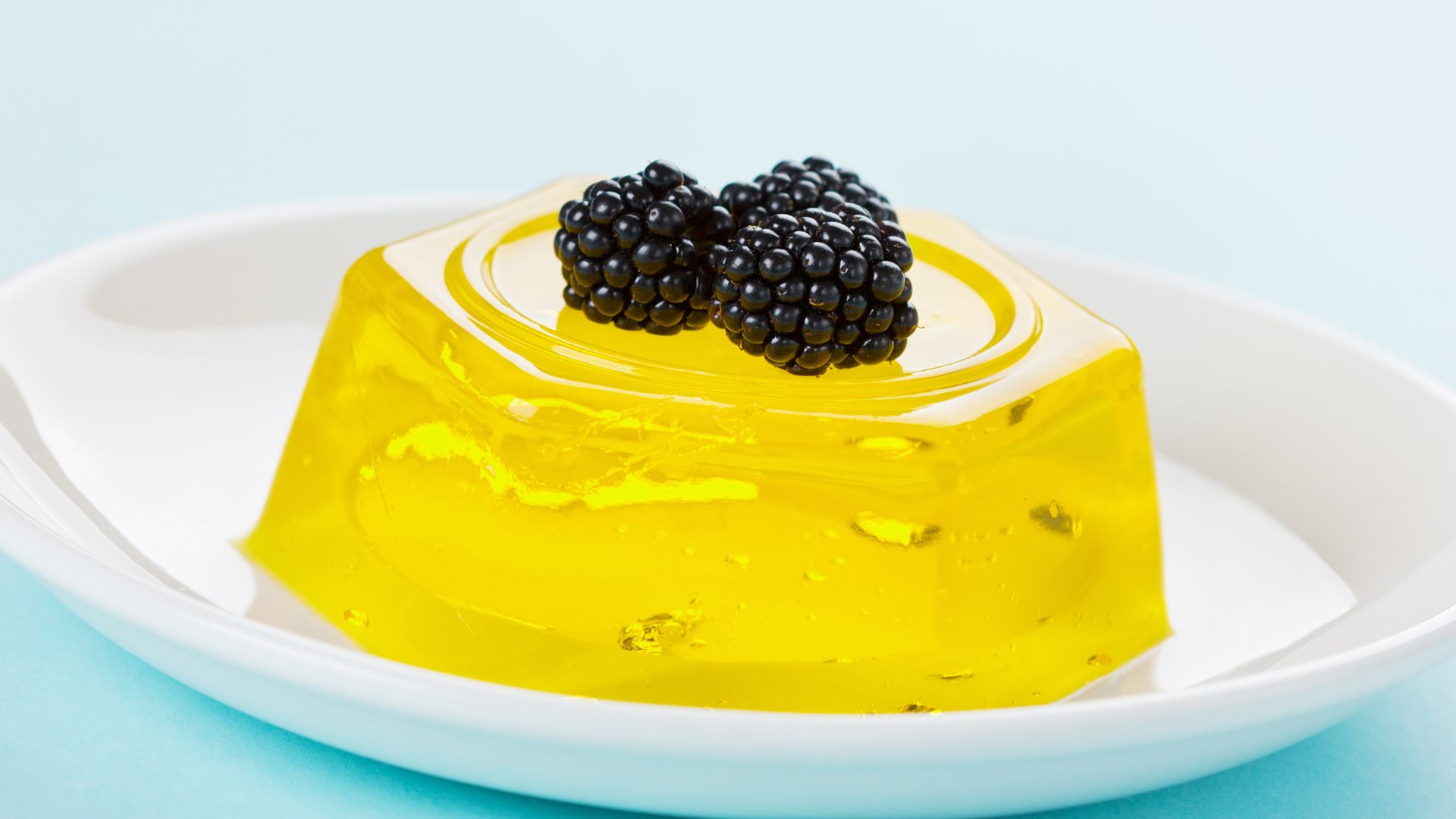
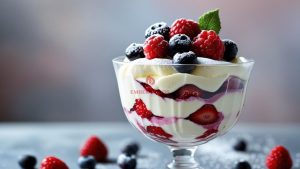
Fruit pudding can be combined with fresh fruits or fruit sauces, creating a fresher sensation. Cheese pudding generally has a richer and more intense flavor, depending on the type of cheese and the proportions of ingredients used.
Why Does Pudding Have a Smooth Texture and Set Firmly?
The softness and ability of pudding to set result from structural changes in the ingredients during preparation. Egg proteins, gelatin, and starch create structure in different ways, while temperature and refrigeration time also affect the smoothness of the finished product.
When heated at an appropriate level, egg proteins change their structure and help the mixture set. If the temperature is too high or the mixture is heated unevenly, the pudding may lose its smoothness and develop lumps. Therefore, temperature control plays an important role.
Gelatin forms a gel structure when the mixture is cooled, creating the characteristic light jiggle. Starch, on the other hand, gradually thickens the mixture during heating. Depending on the ingredient selected, pudding can have different levels of softness and smoothness.
After preparation, refrigeration helps many types of pudding stabilize their shape and reach the desired firmness. An appropriate refrigeration time also allows the flavors to blend better, creating a cool and easy-to-eat sensation.
How Many Calories Does Pudding Have and How Should It Be Eaten Appropriately?
The calorie content of pudding is not fixed because it depends on the ingredients, amount of sugar, dairy cream, and serving size. A serving can provide energy from carbohydrates, fat, and protein. Varieties containing more cream, sugar, or additional ingredients generally have a higher energy content.
Carbohydrates mainly come from sugar and certain thickening ingredients, while fat generally comes from milk and cream. Protein can come from eggs or milk. The actual nutritional value should be considered based on the specific recipe rather than applying a single figure to every type of pudding.
Pudding can be consumed as a dessert or snack in a portion appropriate for daily energy needs. If the goal is to limit sugar or fat intake, a moderate portion can be chosen while considering the accompanying ingredients. A varied diet should still include multiple food groups rather than relying on a single dessert.
Article Summary
Pudding is a dessert characterized by its smooth, soft texture, rich flavor, and various possible variations. Milk, eggs, sugar, dairy cream, gelatin, or starch can contribute to its characteristic structure. Egg, caramel, chocolate, green tea, fruit, and cheese puddings provide diverse flavor options. Heating and refrigeration directly affect the firmness, gel structure, and smoothness of the finished product. The calorie content depends on the recipe and serving size, so an appropriate portion should be considered to maintain nutritional balance.
Frequently Asked Questions
What is Pudding made from?
Pudding can be made from milk, eggs, sugar, and setting ingredients depending on the recipe. Some varieties use gelatin or starch to create a stable texture, while egg pudding relies heavily on the setting ability of egg proteins. Ingredients such as vanilla, cocoa, green tea, or fruit are added to create flavor. Different recipes result in different levels of softness, smoothness, and richness.
Does Pudding need to be baked?
Not all types of pudding need to be baked. Some recipes are prepared by heating a mixture of milk, eggs, or starch and then refrigerating it to set. Varieties that use eggs may be steamed or baked depending on the preparation method. The preparation method affects the firmness, smoothness, and structure of the finished product.
Is Pudding high in calories?
The calorie content of pudding depends on the ingredients and proportions of milk, sugar, cream, and accompanying ingredients. Varieties containing more cream, sugar, or chocolate generally provide more energy. Pudding made with milk and a moderate amount of sugar may have a lower energy content, but the serving size still needs to be considered. The actual ingredients in each recipe are the main determining factor.