Tiếng Việt
















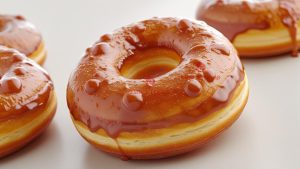

What Makes Donuts Special and Why Do They Have Their Characteristic Shape?
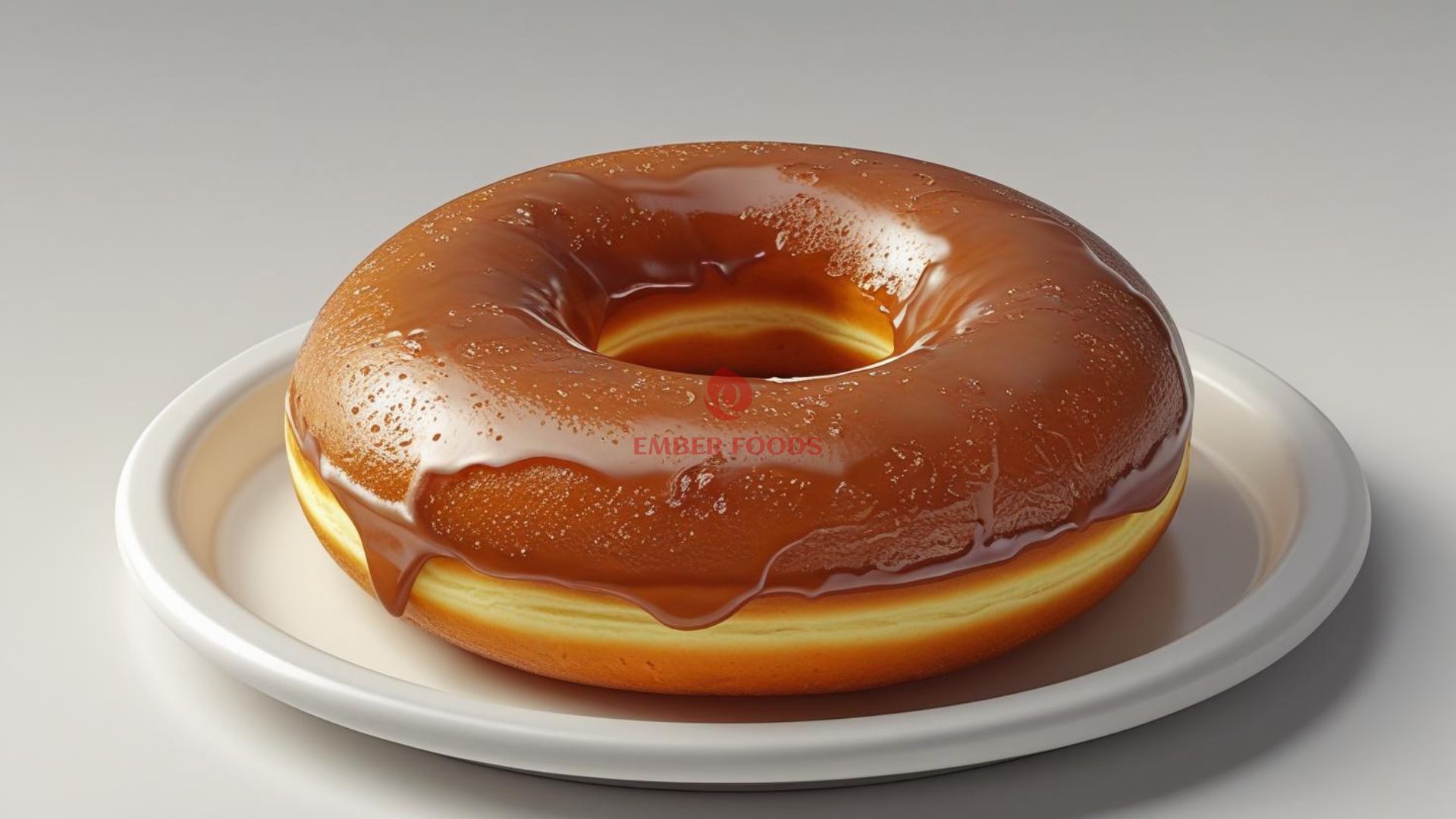
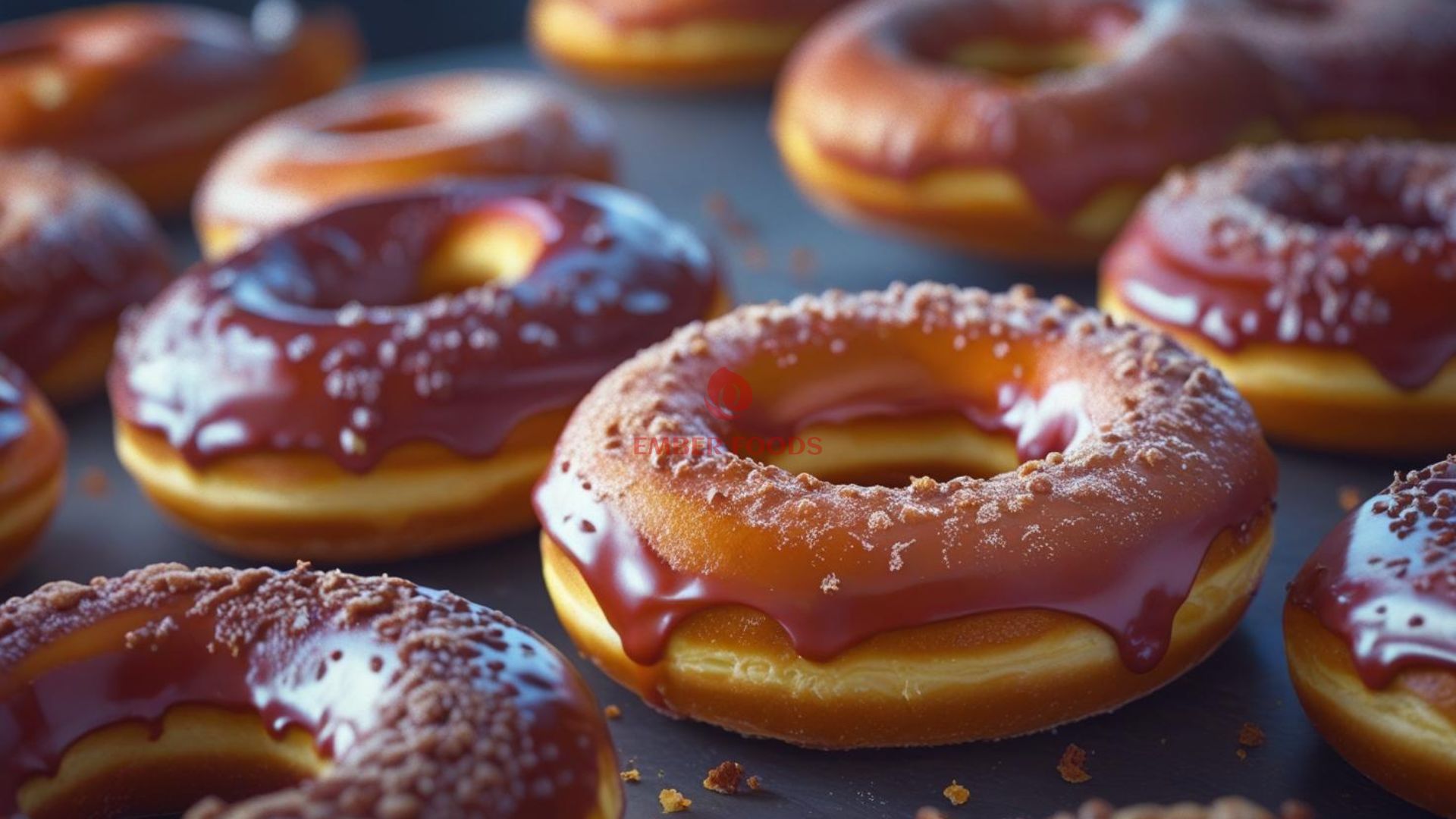
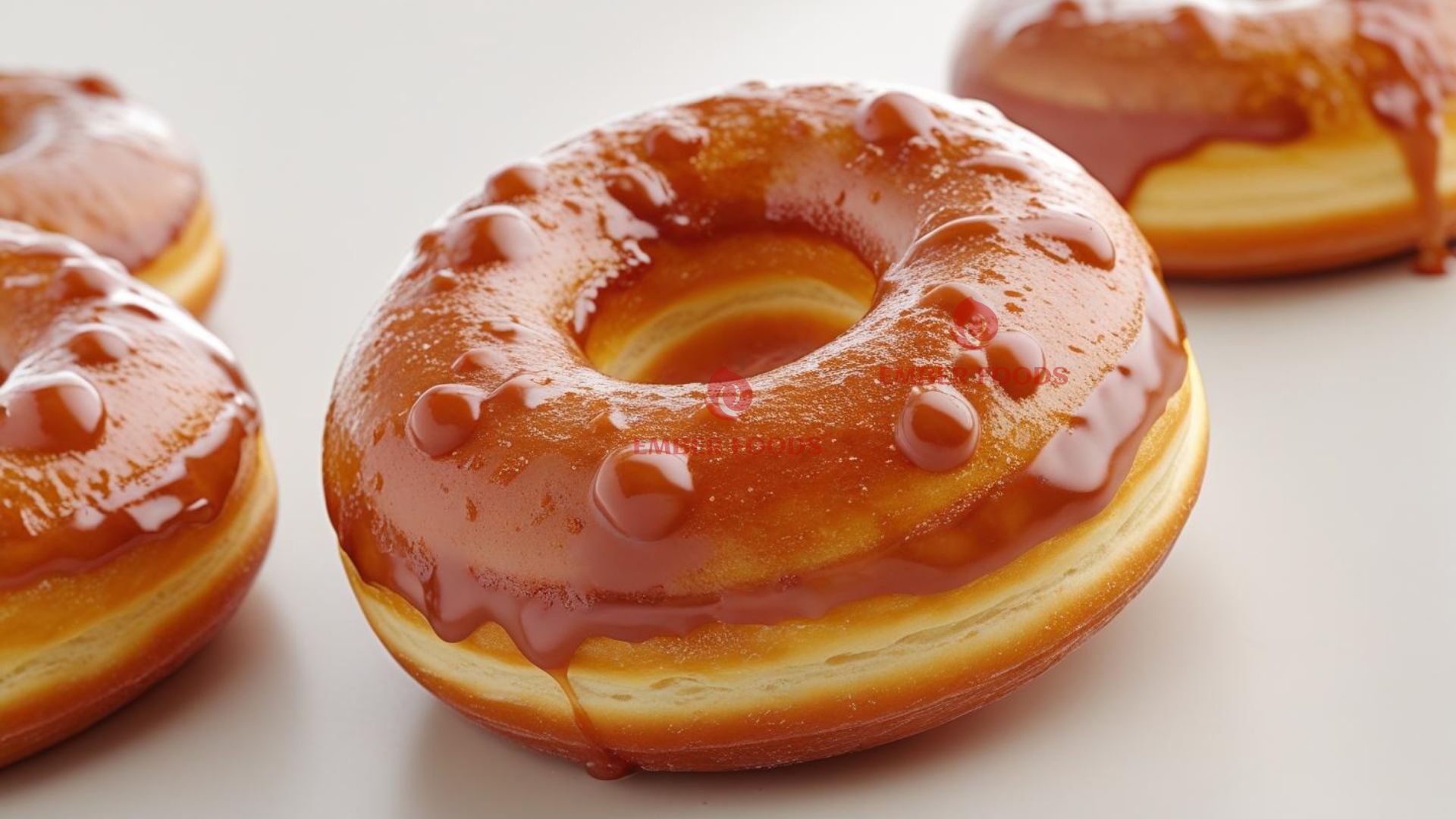
A Donut is a type of sweet pastry that is typically ring-shaped with a hole in the center, allowing the pastry to have greater surface area exposed to heat during preparation.
Depending on the recipe, the pastry can be fried or baked, creating a fragrant golden exterior and a soft interior. The shape also makes it convenient to coat the surface with sugar, chocolate, cream, or other decorative ingredients.
Donuts made with yeast typically have a light, soft interior with a certain degree of elasticity when properly proofed.
Some types do not use yeast but rely on other leavening methods, resulting in a denser texture more similar to a cake. Differences in recipes and preparation methods clearly determine the softness, fluffiness, and flavor of each type.
What Ingredients Are Used to Make Donuts?
Flour provides the main structure of the pastry, while eggs and milk contribute to its softness, color, and flavor.
Sugar provides sweetness, salt helps balance the flavor, and butter may be added to enhance richness and aroma. For yeast-based Donuts, the amount of yeast and proofing time also affect how much the dough rises.
For fried Donuts, cooking oil is an important factor in creating the characteristic golden exterior and aroma.
After preparation, the pastry may be coated with powdered sugar or combined with cocoa powder, chocolate, and other toppings. As a result, the amount of fat and sugar can vary considerably between recipes.
What Are the Most Common Types of Donuts?
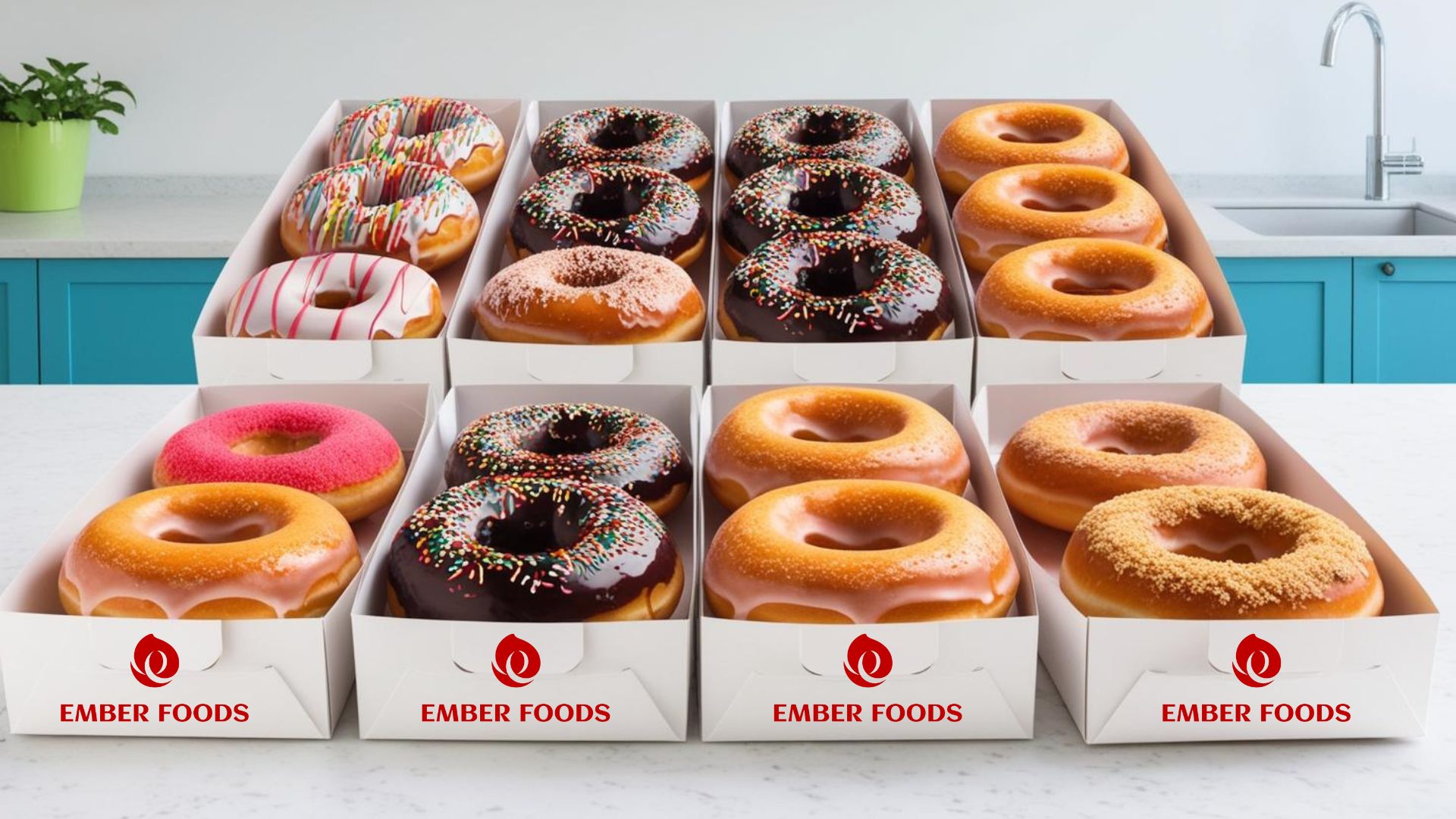
Traditional Donuts generally maintain a relatively simple flavor, focusing on the soft and fragrant pastry itself.
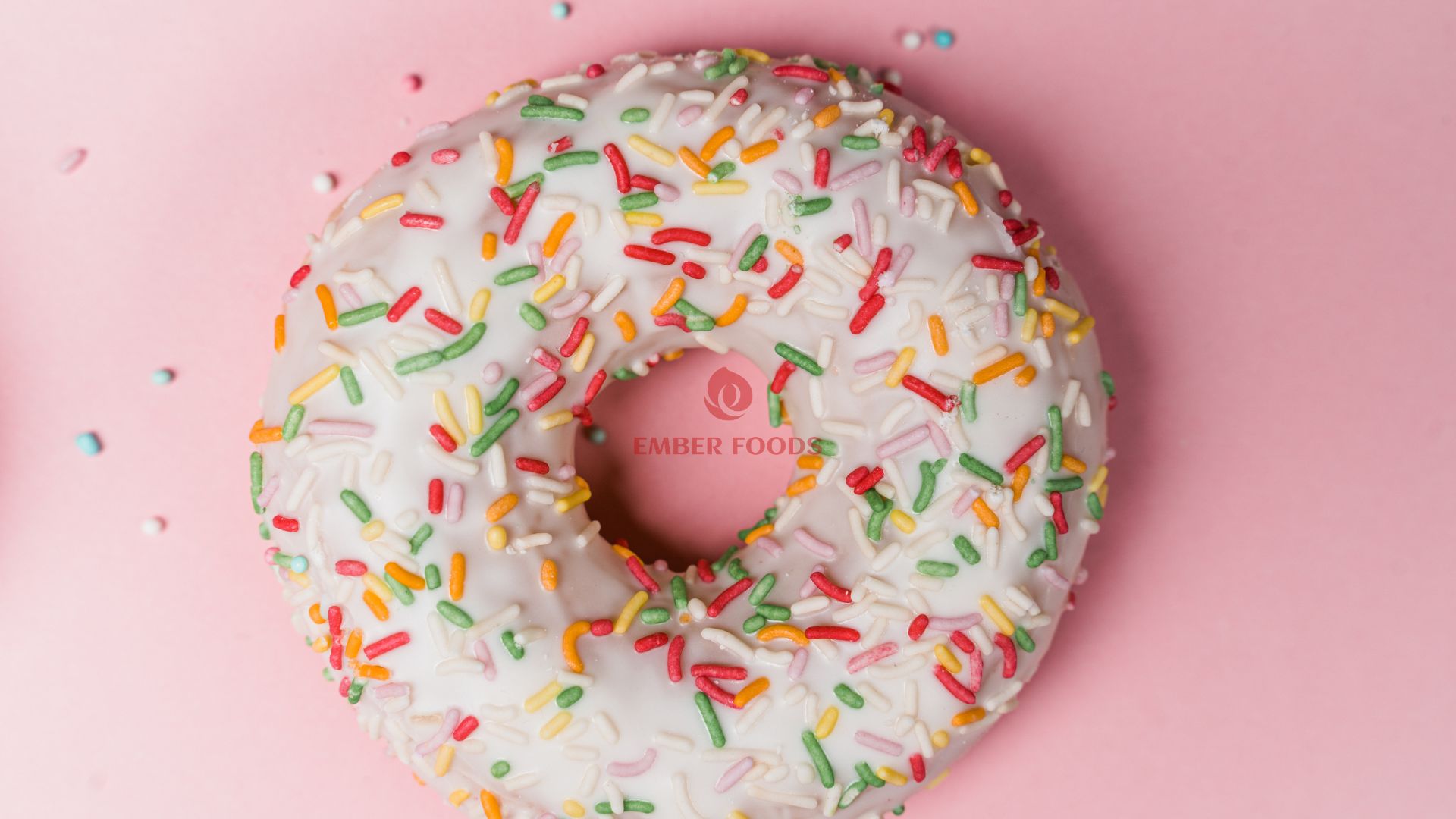
Sugar-coated Donuts may use powdered sugar or a thin layer of sugar on the outside, creating a more pronounced sweetness while maintaining the characteristic ring shape.
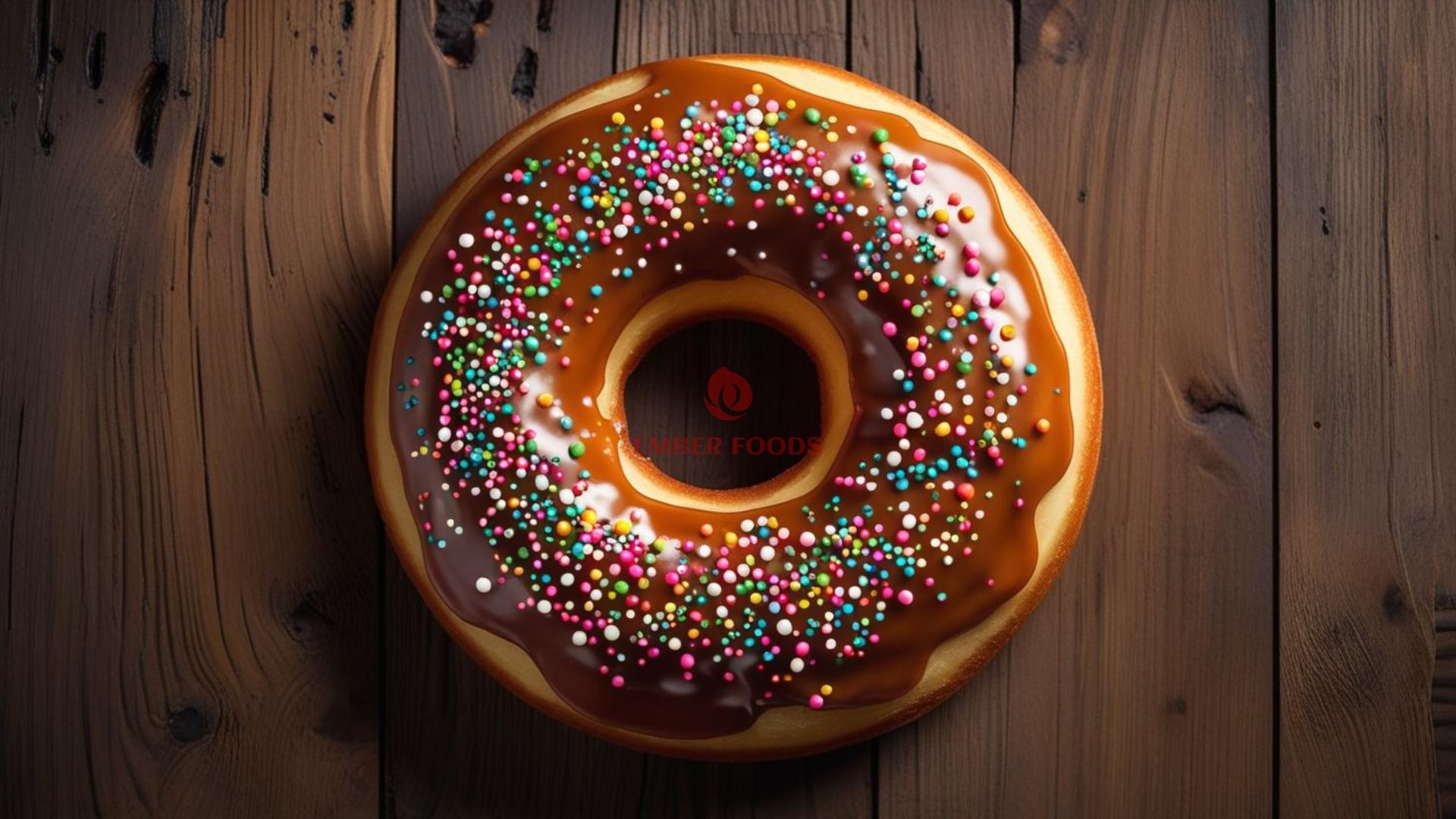
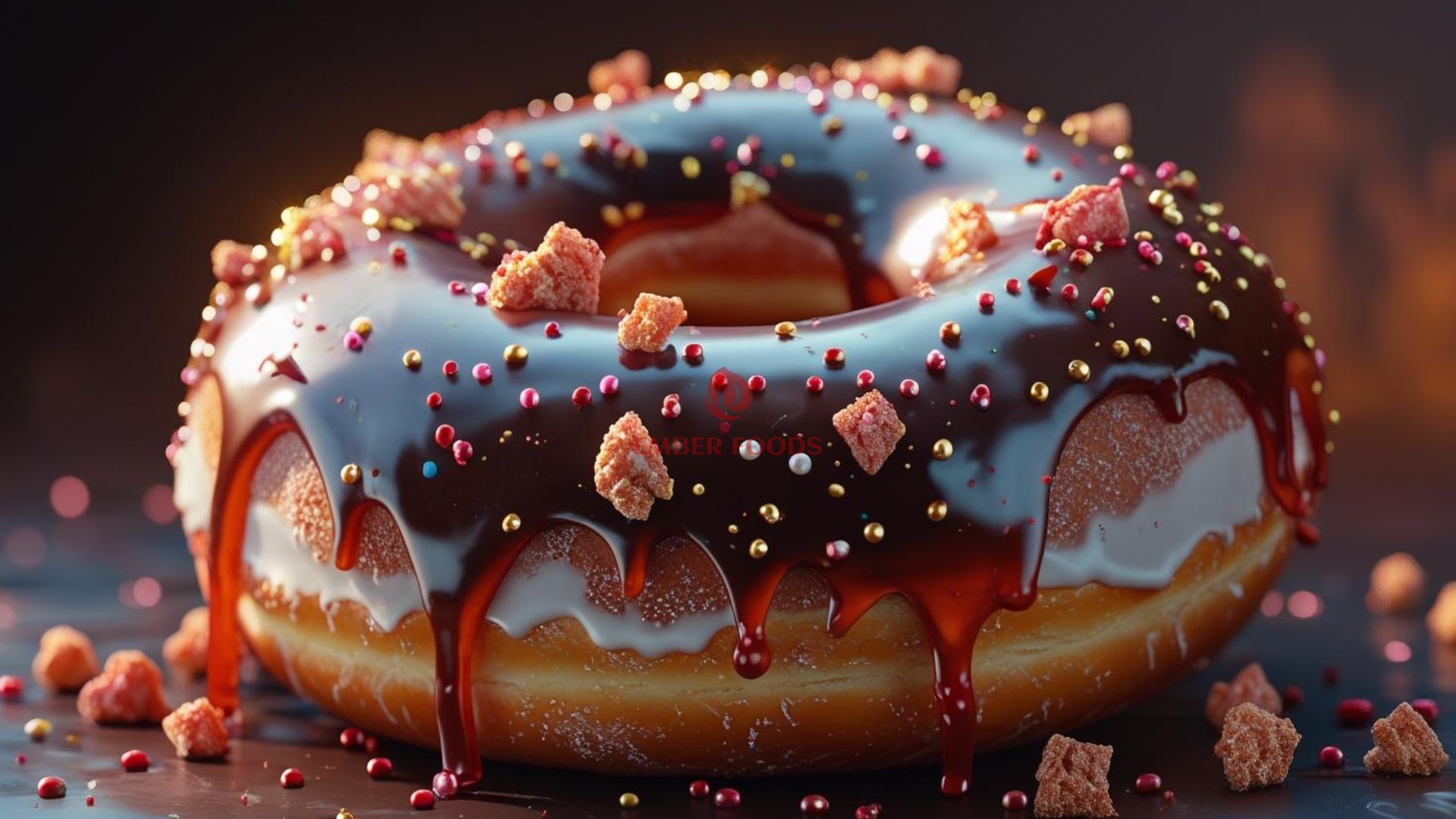
Chocolate-coated Donuts typically have a sweet, rich topping with a pronounced cocoa flavor.
Cream-coated Donuts may use different types of cream with varying levels of richness and flavor. These varieties generally feature more elaborate decorations than traditional Donuts.
Cream-filled Donuts have a soft filling inside, which is usually injected after the pastry is finished.
Fruit jam fillings provide a sweet and slightly tart flavor that helps balance the pastry. Some varieties are also topped with colorful sprinkles or nuts to add crunch and create a visual accent when enjoyed.
Why Do Donuts Have Different Toppings and Fillings?
Toppings help change the flavor without requiring a complete change to the pastry dough recipe.
Sugar provides simple sweetness, while chocolate brings a more pronounced cocoa flavor and greater richness. Powdered sugar can also be sprinkled directly over the surface of the pastry to create a light coating.
Cream and jam can be used as fillings or toppings, adding softness and flavor.
Nuts and colorful sprinkles are often used to provide crunch and create an appealing appearance. The combination of toppings, fillings, and decorative ingredients gives Donuts many variations suited to different preferences.
How Many Calories Do Donuts Have and How Should They Be Consumed?
The calorie content of a Donut depends on its size, preparation method, and the amount of topping or filling.
Flour and sugar provide carbohydrates, while eggs, butter, and frying oil contribute fat along with some protein. Fried Donuts typically absorb a certain amount of oil during preparation, while baked Donuts may have different fat levels depending on the recipe.
Donuts can be eaten as a snack or included as part of breakfast, but portion size should be considered because pastries covered with large amounts of sugar, cream, or chocolate can provide substantial energy.
When eaten for breakfast, they can be paired with a source of protein and fruit to make the meal more varied. Choosing varieties with fewer toppings and adjusting the portion size can also help control total energy intake.
Summary of the Article
Donuts stand out with their ring shape, soft interior, and various preparation methods such as frying or baking. Basic ingredients typically include flour, eggs, milk, sugar, butter, and yeast, depending on the recipe.
Donuts can retain a traditional style or be combined with sugar, chocolate, cream, jam, and various decorative ingredients. Fillings and toppings create clear differences in flavor, texture, and energy content. Fried Donuts generally contain additional fat from the cooking oil, while the amount of sugar depends largely on the toppings. When enjoying them, portion size should be balanced with the overall nutritional needs of the day.
Frequently Asked Questions
Do Donuts Always Have a Hole in the Middle?
Not all Donuts have a hole in the middle. The ring-shaped form with a hole is the most common and recognizable style, but many Donuts are made as closed round pastries to hold fillings inside. The shape depends on the recipe and shaping method. Filled varieties generally do not need a hole in the center to hold the cream, jam, or other fillings.
Are Donuts Fried or Baked?
Donuts can be fried or baked depending on the recipe. Frying gives the pastry its characteristic golden color and an appealing outer crust. Baking uses heat from an oven to cook the pastry without immersing it in oil. The two preparation methods create differences in softness, richness, and flavor.
Are Donuts High in Calories?
Donuts generally provide energy from flour, sugar, and fat, especially when they are fried or covered with sweet toppings. Cream fillings, chocolate, and toppings containing large amounts of sugar can significantly increase the total energy content. The actual calorie content also depends on the size and recipe of each pastry. When eating them, portion size should be balanced with the total daily energy intake.