Tiếng Việt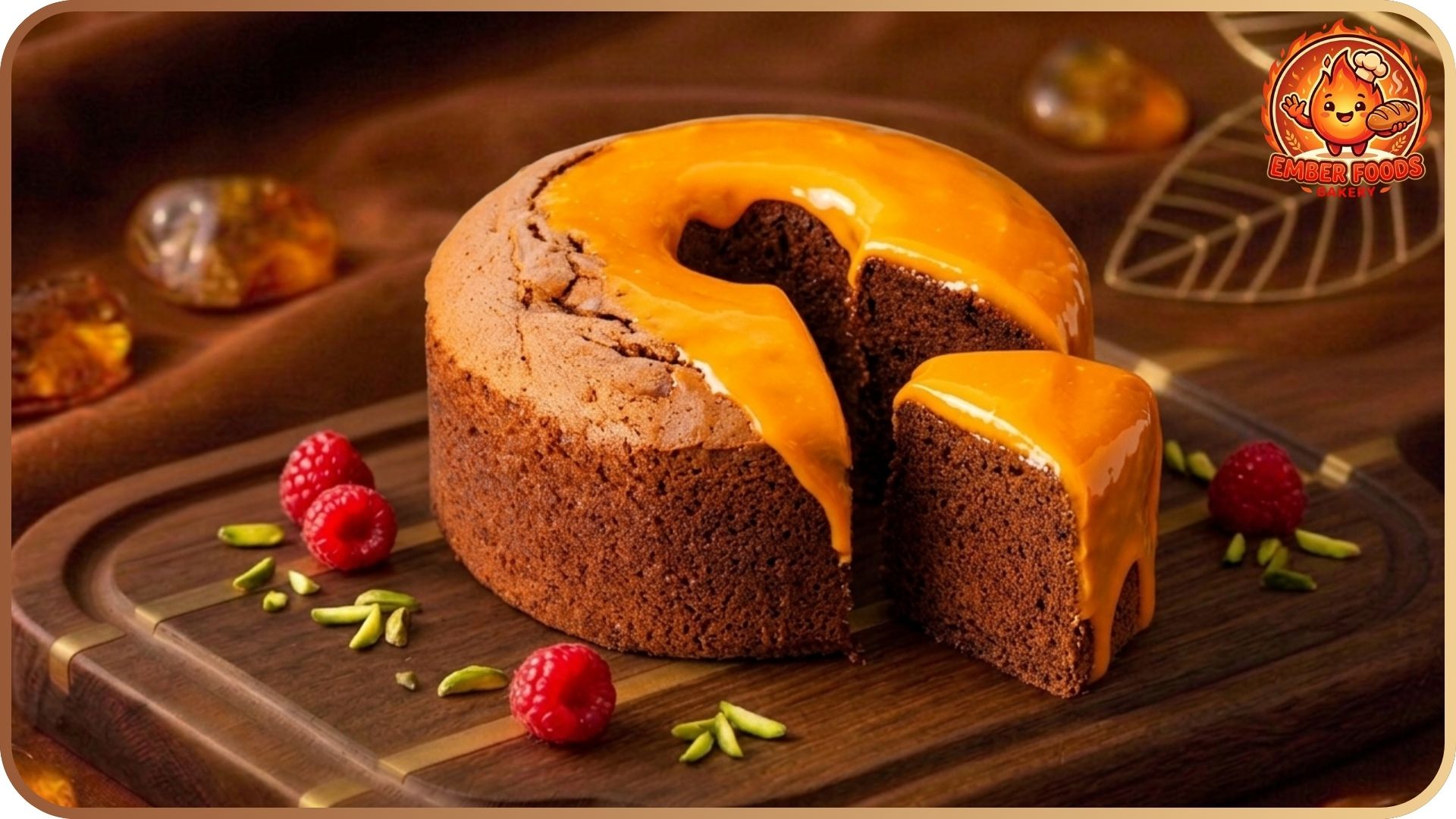








What Makes Chiffon Cake Special and Why Is It So Light and Soft?
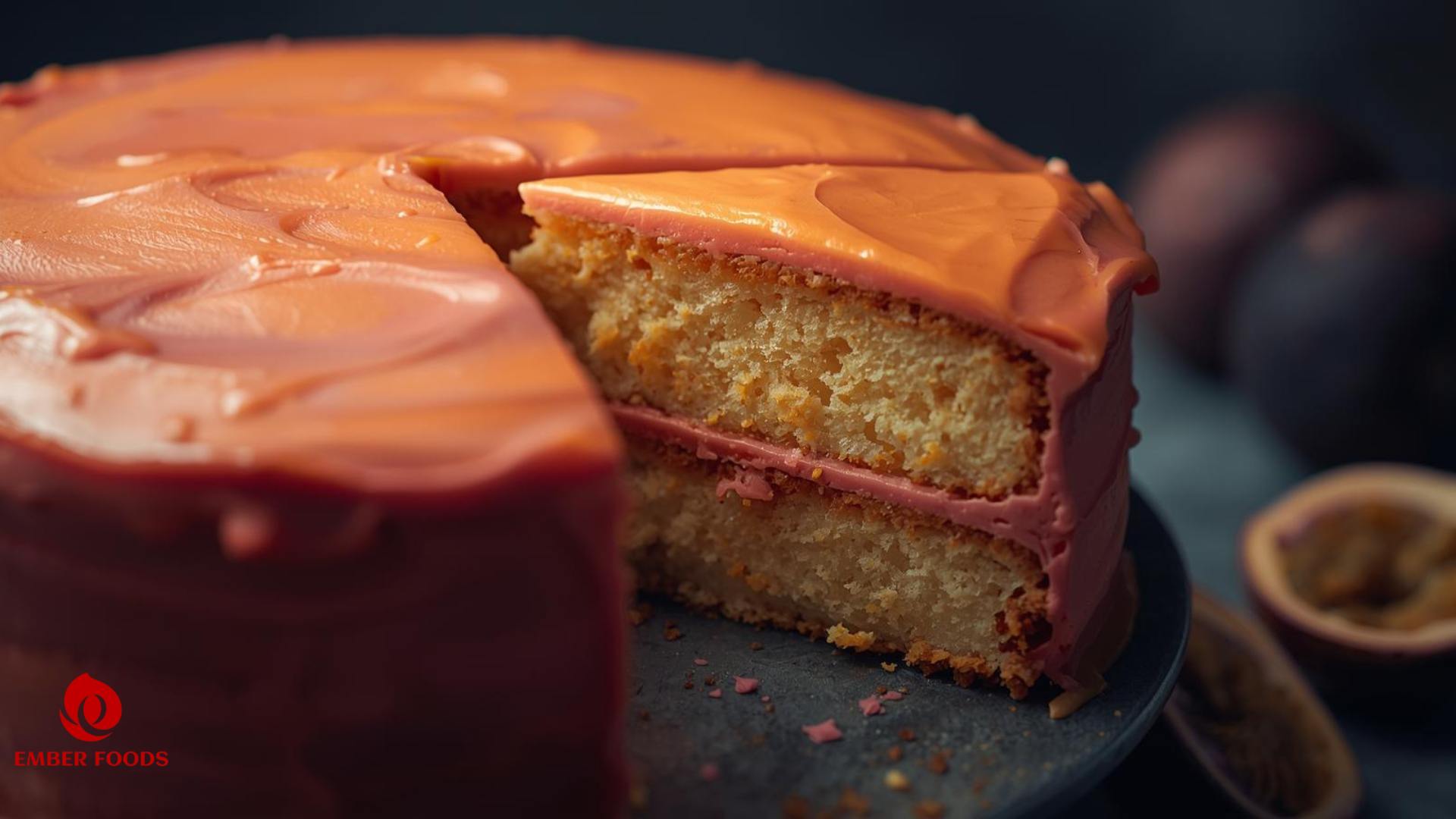
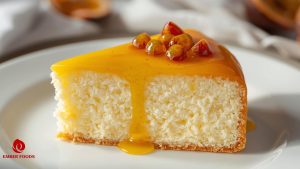
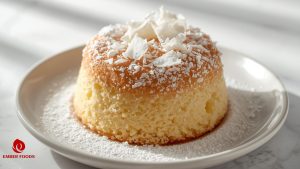
Chiffon cake belongs to the group of sponge cakes with a very light, soft, and airy texture. One of its most recognizable characteristics is its fine, elastic crumb, which tends to return relatively well to its original shape when lightly pressed. Compared with many traditional sponge cakes, Chiffon uses cooking oil instead of a large amount of solid fat, while also relying heavily on the air bubbles from whipped egg whites to create its structure. As a result, the cake feels light when eaten while still retaining its moisture.
What Makes Chiffon Cake Special and Why Is It So Light and Soft?
The characteristic of Chiffon sponge cake lies in the combination of moisture, a moderate amount of fat, and the air bubble system formed during egg beating. After baking, the cake has a light texture, high airiness, and a soft crumb. Cooking oil helps the cake retain moisture better, while egg whites create the air structure that allows the cake to rise.
Egg Whites Create Airiness for Soft Sponge Cake
When whipped properly, egg whites contain many small air bubbles. During baking, the air expands and water vapor escapes, contributing to an increase in the volume of the batter. The relatively even distribution of air bubbles helps create an airy and light crumb rather than one that is dense and heavy.
What Ingredients Are Used to Make Chiffon Cake?
The basic recipe usually includes flour, eggs, sugar, cooking oil, milk or water, baking powder, and vanilla. The eggs are separated into yolks and whites to be processed in two different parts. The yolks are usually combined with liquid ingredients and cooking oil, while the egg whites are whipped with sugar before being incorporated into the batter.
Egg Yolks and Egg Whites Serve Different Roles
Egg yolks provide fat, emulsifiers, and color, contributing to the cake’s soft and moist texture. In contrast, egg whites create an air bubble system after being whipped, helping the cake rise. Flour forms the structural framework, while milk, water, and cooking oil help regulate the moisture of the cake batter.
Why Does Chiffon Cake Have a Soft, Airy, and Elastic Texture?
The soft and airy texture of Chiffon does not depend on a single ingredient but results from the combination of several factors. Among them, the condition of the egg whites, the way the batter is mixed, and the baking temperature all have a clear influence on the final structure.
Whipped egg whites create an air bubble network that helps increase the volume of the batter. If they are not whipped enough, fewer air bubbles are retained, causing the cake to become dense; if they are over-whipped, the air bubbles may become less stable and more difficult to incorporate into the batter. Therefore, the whipping and folding techniques need to be appropriate for the recipe.
Cooking oil in liquid form helps distribute the fat components throughout the cake batter, while also contributing to a reduced perception of dryness after baking. Combined with the water from milk or other liquid ingredients, the oil helps the cake retain its characteristic moisture.
After combining the egg whites with the yolk mixture, the mixing technique should be gentle to avoid breaking too many air bubbles. During baking, the temperature must be appropriate so that the cake has enough time to develop its structure without becoming excessively dry. The remaining moisture in the cake also contributes to its soft and elastic texture.
What Are the Common Types of Chiffon Cake?
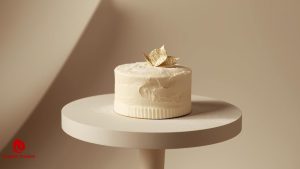
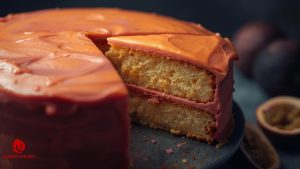
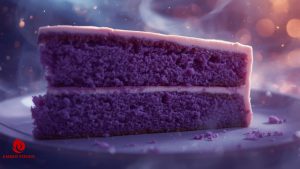
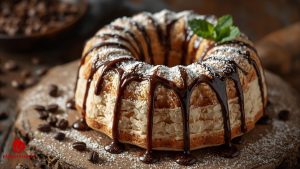
Chiffon can vary in flavor by adding juice, tea powder, or other flavoring ingredients. Common versions include:
| Type of Cake | Flavor Characteristics |
|---|---|
| Vanilla Chiffon | Light aroma, mild flavor |
| Orange Chiffon | Orange aroma and refreshing taste |
| Lemon Chiffon | Pronounced lemon aroma, refreshing sensation |
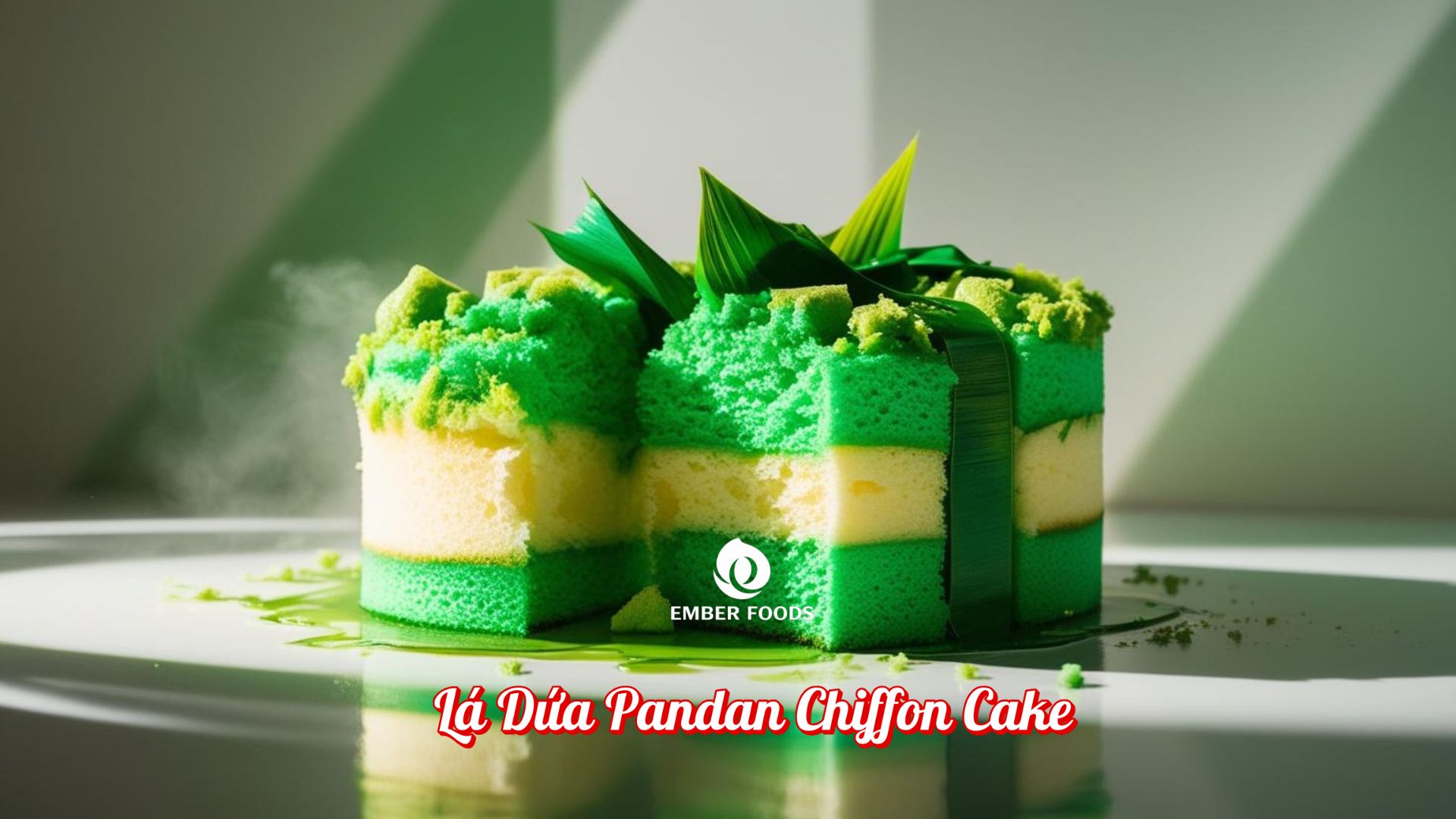
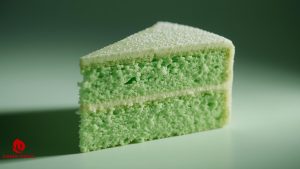
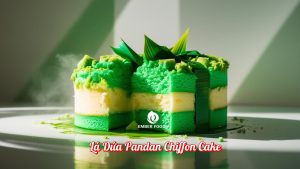
| Pandan Chiffon | Distinctive pandan aroma |
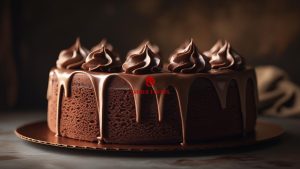
| Chocolate Chiffon | More pronounced cocoa flavor |
| Green Tea Chiffon | Distinctive tea aroma |
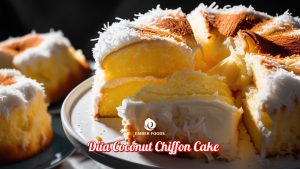
| Coconut Chiffon | Rich aroma with a coconut flavor |
The recipe for each type may vary in the amount of sugar, liquid, and flavoring ingredients, so the texture and nutritional value are not entirely the same.
How Many Calories Does Chiffon Cake Have and How Should It Be Eaten?
The calorie content of Chiffon depends on the recipe, size, and actual serving portion. The cake primarily provides carbohydrates from flour and sugar, along with protein from eggs and fat from cooking oil and egg yolks. Versions containing chocolate, coconut, or cream toppings may contain more energy.
Serving Size Directly Affects Energy Intake
Rather than evaluating the cake solely based on its name, the specific ingredients and serving size should be considered. A moderate slice can be enjoyed as a snack, paired with a low-sugar beverage to limit total energy intake. If nutrition needs to be controlled, attention should be paid to sugar, fat, and total calorie intake throughout the day.
Summary
Chiffon cake stands out for its soft, light, airy texture and elasticity, resulting from the combination of whipped egg whites, cooking oil, and proper mixing techniques. The basic ingredients include flour, eggs, sugar, cooking oil, milk or water, along with several flavoring ingredients. Chiffon comes in many variations such as vanilla, orange, lemon, pandan, chocolate, green tea, and coconut. Its energy content varies depending on the recipe and serving size, especially when the cake contains additional sugar or toppings. When enjoying it, the amount of cake should be balanced with total daily energy and nutritional needs.
Frequently Asked Questions
How is Chiffon cake different from regular sponge cake?
Chiffon cake has a light, soft, and elastic texture thanks to the combination of whipped egg whites and the egg yolk mixture. The recipe usually uses cooking oil instead of a large amount of butter, helping the cake retain moisture and softness for longer. The cake is also often baked in a tall-sided pan to support the rising process. Compared with many other types of sponge cake, Chiffon generally has a lighter and airier crumb.
Why does Chiffon cake require whipped egg whites?
Egg whites are whipped to create many small air bubbles, allowing the batter to expand during baking. When exposed to heat, the air bubbles expand and contribute to forming the cake’s light and airy structure. If the egg whites are not whipped sufficiently or are mixed too vigorously, some of the air can be lost, causing the cake to rise less effectively. Therefore, the techniques used to whip and fold the egg whites directly affect the texture of the finished cake.
Is Chiffon cake high in calories?
The calorie content of Chiffon cake depends on the recipe, cake size, and amount of sugar used. Main ingredients such as flour and sugar provide carbohydrates, while eggs and cooking oil contribute protein and fat. Versions with cream, chocolate, or sweet toppings generally contain more energy than plain Chiffon cake. When eating it, the serving size should be balanced with daily energy needs.