Tiếng Việt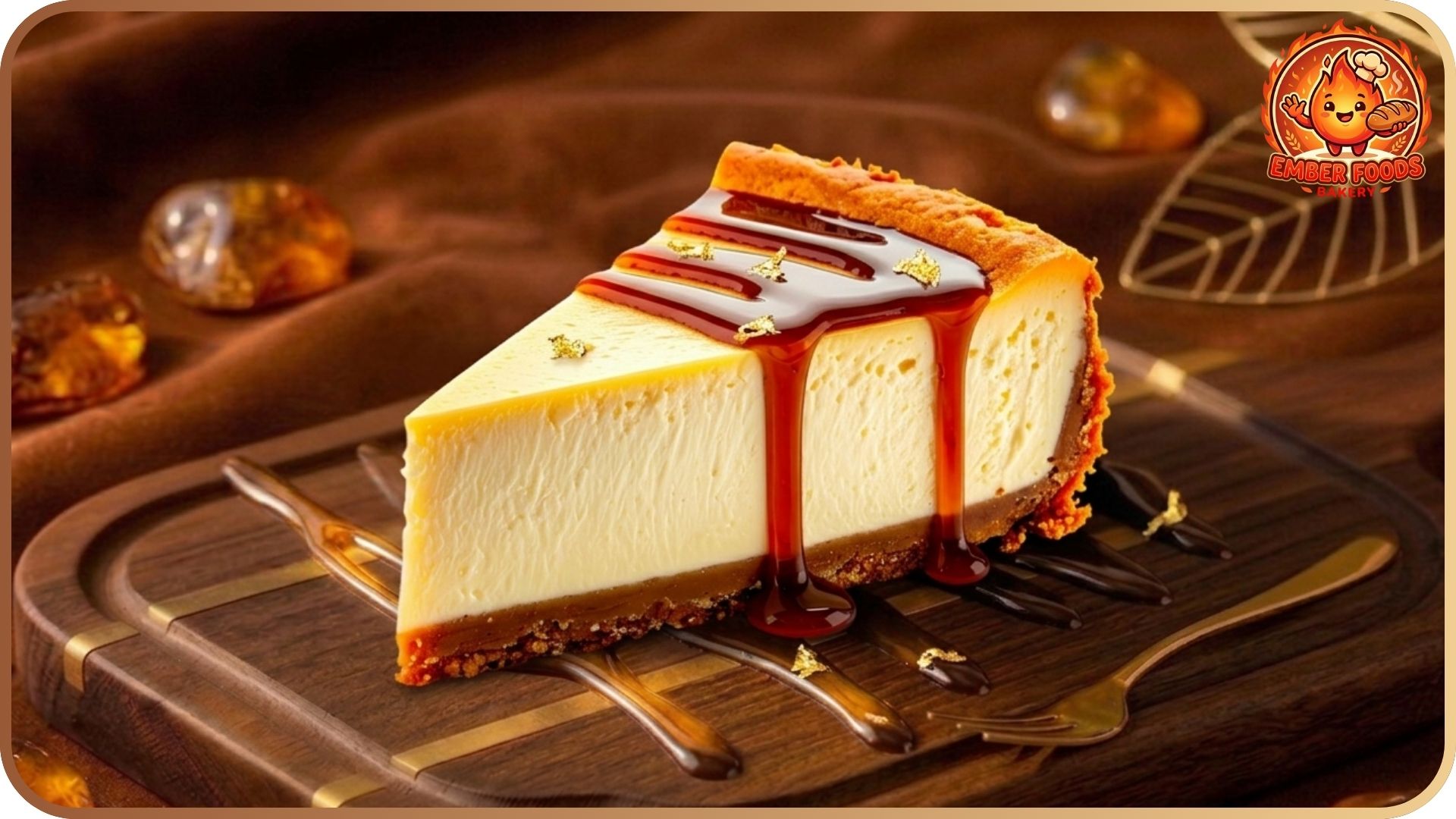









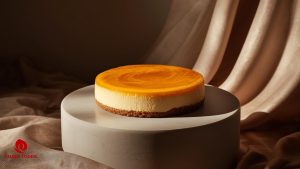
What Makes Cheesecake Special and Why Does It Have a Rich, Creamy Texture?
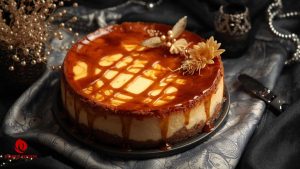
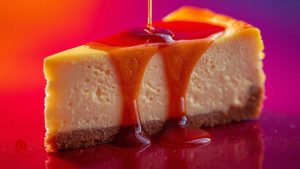
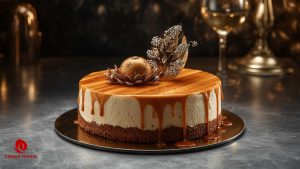
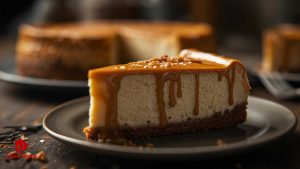
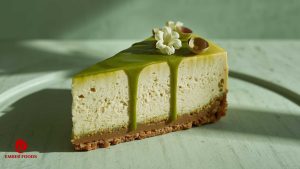
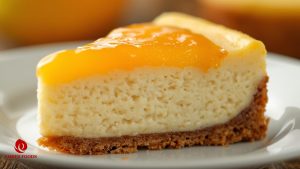
Cheesecake is a type of cheese cake characterized by a rich, creamy filling that often has the distinctive slightly tangy flavor of cream cheese. Depending on the recipe, the cake may have a cake base made from crushed biscuits or another thin base, topped with a smooth, soft cheese filling. The combination of richness, sweetness, and slight tanginess makes Cheesecake a dessert with a distinctive flavor profile.
Cream Cheese Creates a Smooth, Soft Cake Filling
Cream cheese contains milk fat and protein, providing the rich flavor and smooth texture of the cheese filling. When beaten and combined with other ingredients, the filling can achieve a soft, creamy texture rather than becoming dry or crumbly. The ingredient ratios and preparation method have a significant influence on the eating experience.
The Cake Base Adds Crispness and Balances the Texture
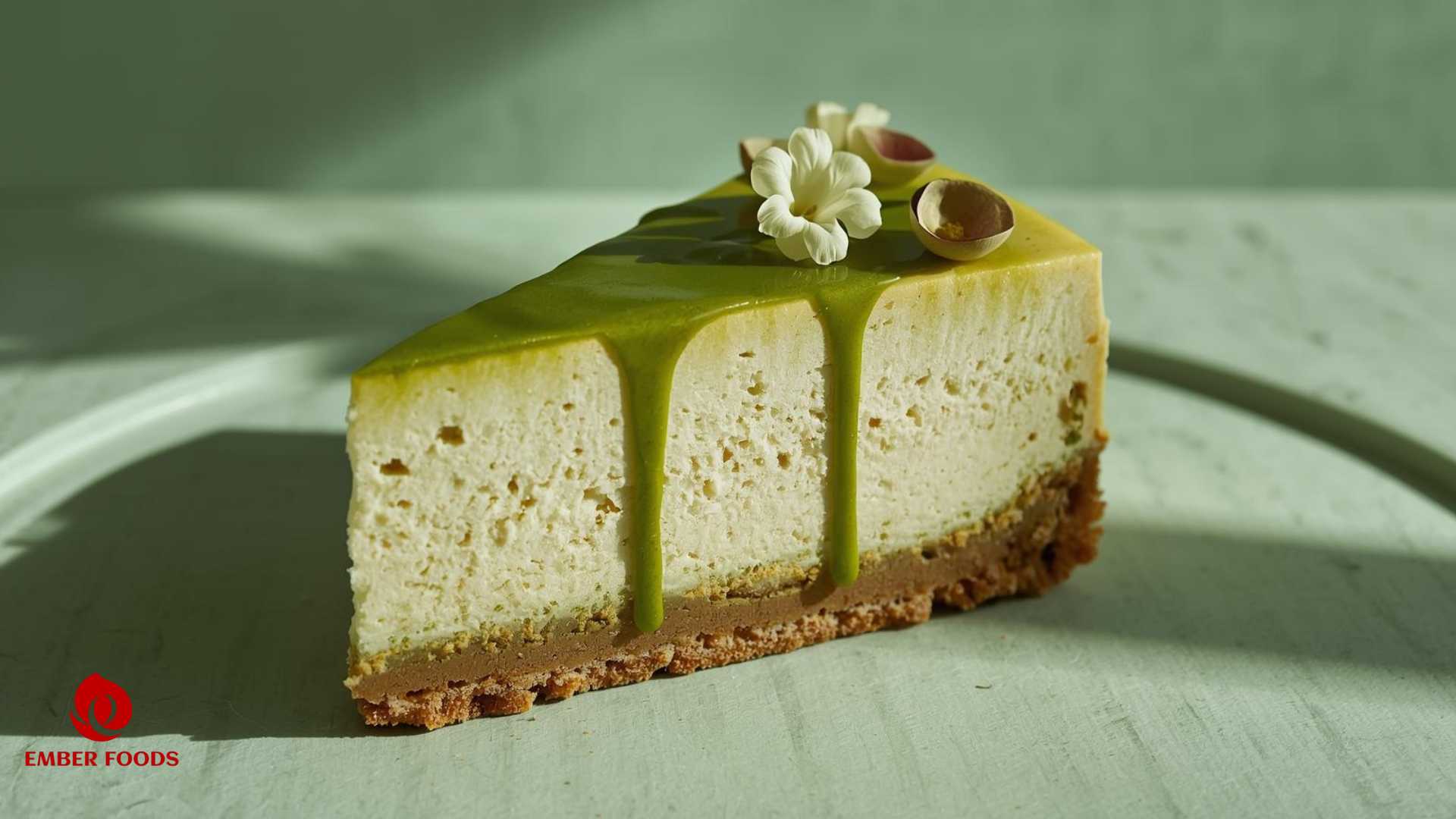
The cake base is commonly made from crushed biscuits mixed with butter. The base has a firm and slightly crisp texture, creating a contrast with the soft filling above. Combined with cream cheese, butter, and sugar, Cheesecake has a pronounced rich flavor while still retaining the characteristic slight tanginess.
What Ingredients Is Cheesecake Made From?
Cheesecake recipes vary depending on the style of cake but generally revolve around cream cheese, sugar, and the cake base. Biscuits, butter, eggs, cream, yogurt, and vanilla may be used to adjust the texture and flavor. Some recipes do not require gelatin, while chilled Cheesecake may use gelatin to help the cake set.
Cream Cheese, Eggs, and Cream Form the Base of the Filling
Cream cheese is the most important ingredient in the filling. Eggs are commonly used in baked Cheesecake to support structural setting during heating. Cream gives the filling a softer and richer texture, while yogurt can add a slight tanginess.
Biscuits and Butter Create the Cake Base
Biscuits are crushed and combined with butter to create a cohesive and aromatic base. The cake base not only supports the filling but also adds a nutty, rich flavor and creates a difference in texture.
Sugar, Vanilla, Gelatin, and Fruit Complete the Flavor
Sugar provides sweetness, while vanilla creates a gentler aroma. Gelatin is commonly used in some chilled Cheesecake recipes to create a stable structure during refrigeration. Fruit can be used as a topping, sauce, or ingredient incorporated into the filling.
What Are the Most Popular Types of Cheesecake?
Cheesecake is divided into many variations based on the cooking method, ingredients, and toppings. Two easily recognizable groups are baked Cheesecake and chilled Cheesecake. Other notable versions include New York, fruit, chocolate, green tea, and passion fruit Cheesecake, each with its own characteristics in flavor and texture.
Baked Cheesecake Sets the Filling Through Heat
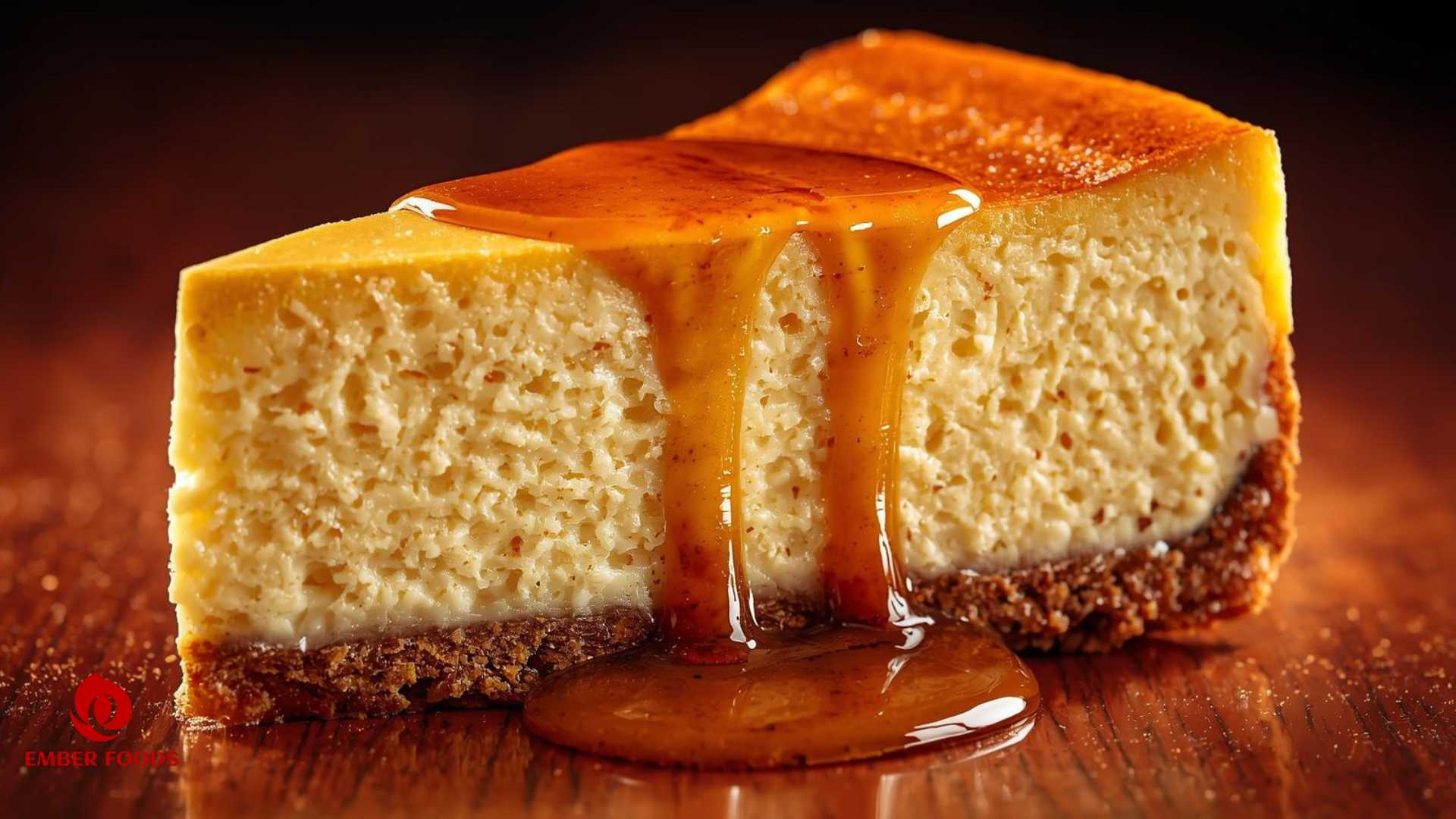
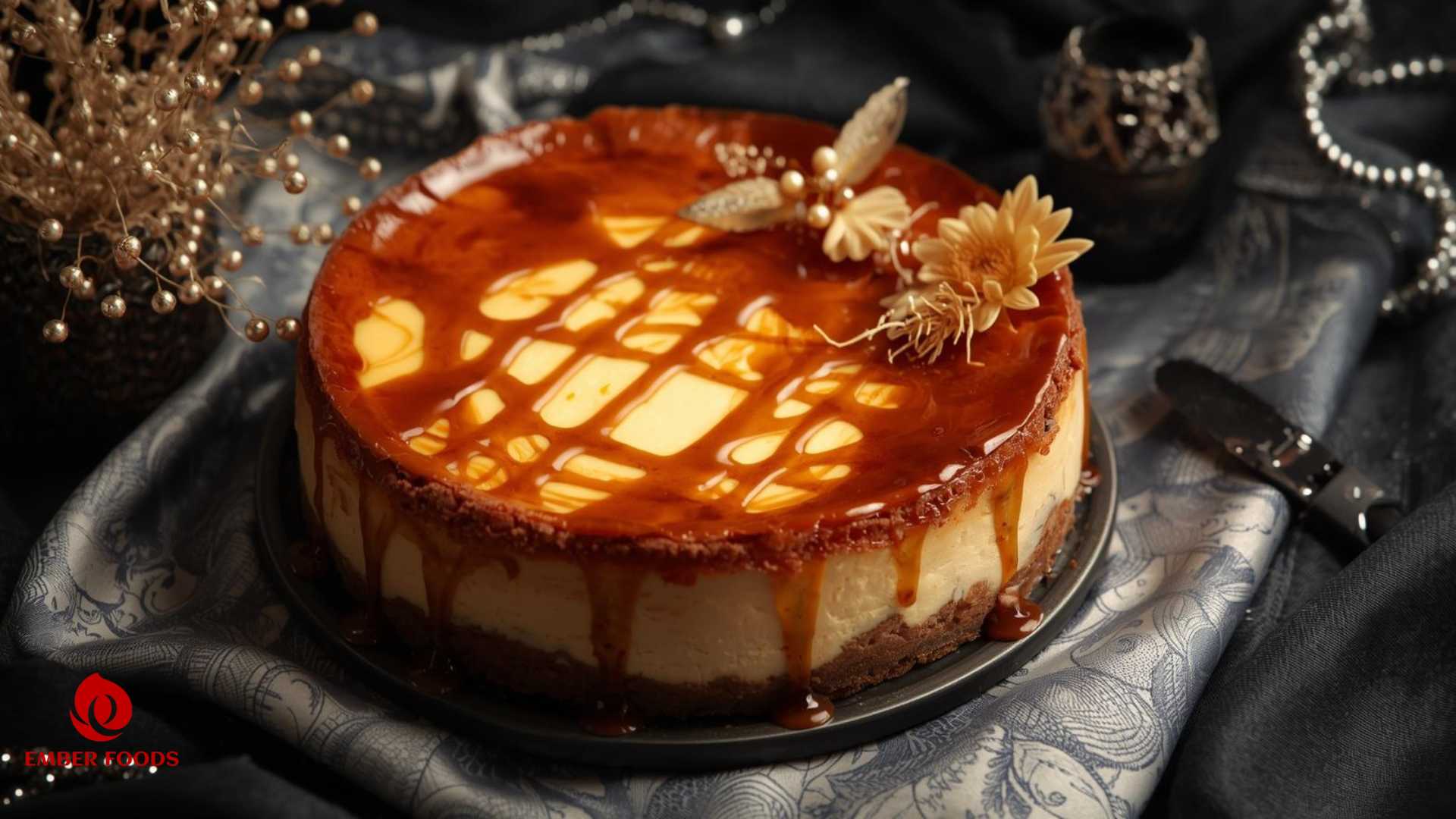
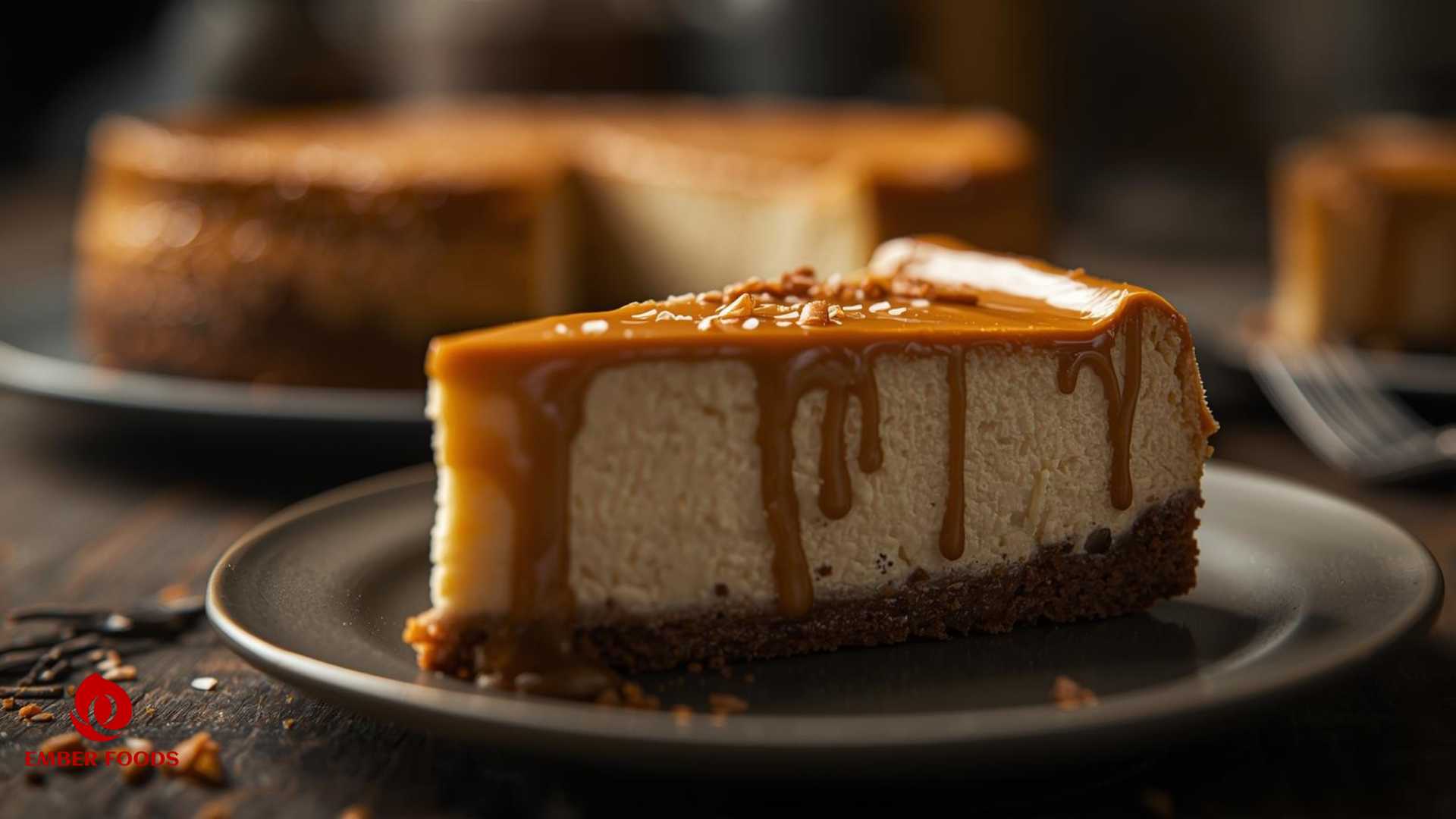
Baked Cheesecake is cooked in an oven and generally has a firmer filling while remaining soft when the temperature is properly controlled. New York Cheesecake typically has a rich cream cheese filling with a relatively dense and smooth texture.
Chilled Cheesecake Has a Soft, Cool Texture
Chilled Cheesecake does not undergo baking but is instead set in a refrigerator. Some recipes use gelatin to help maintain its shape. When eaten, the cake generally feels cool, soft, and lighter in texture than many baked Cheesecakes.
Fruit, Chocolate, Green Tea, and Passion Fruit Cheesecakes Offer More Choices
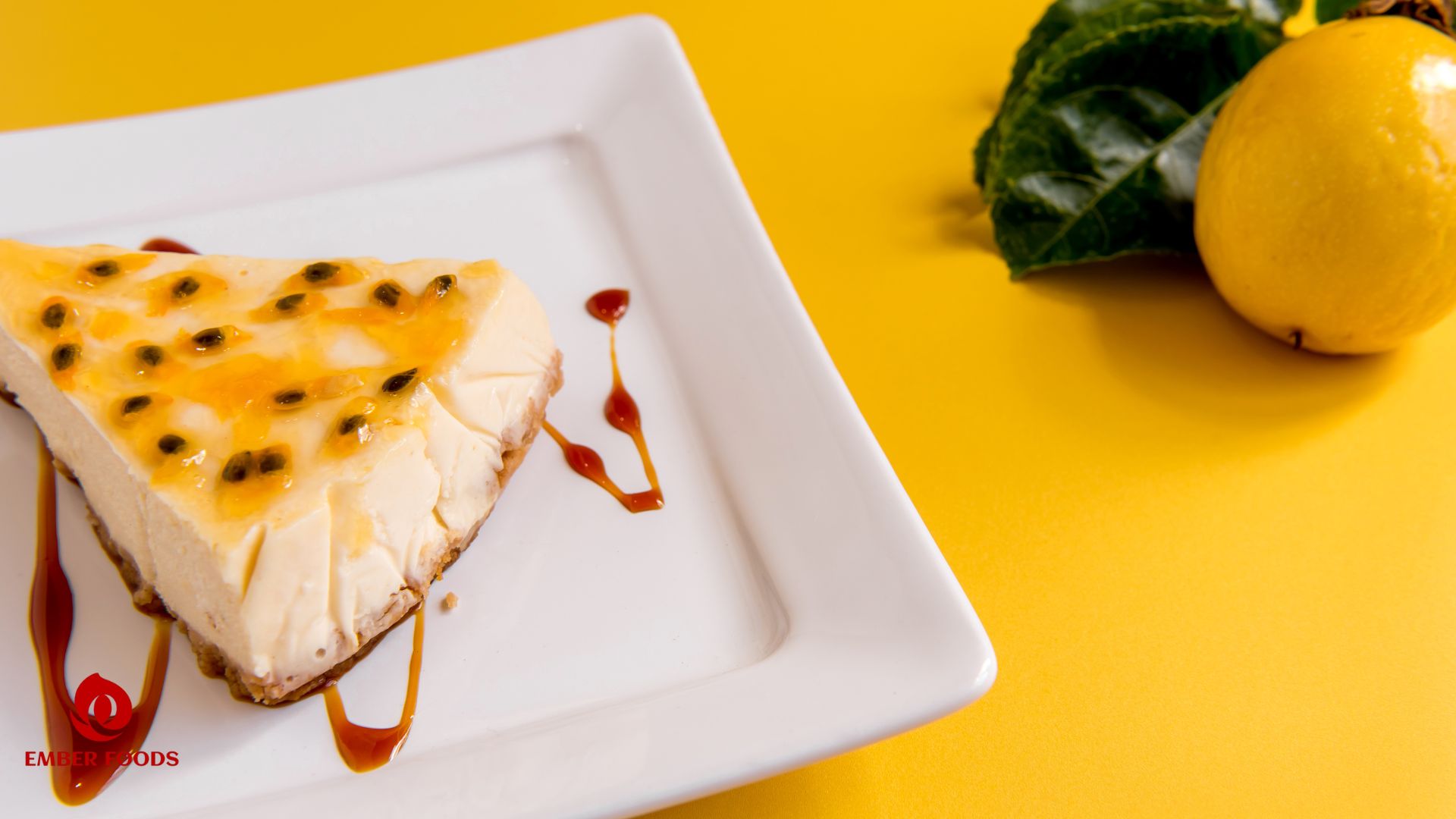
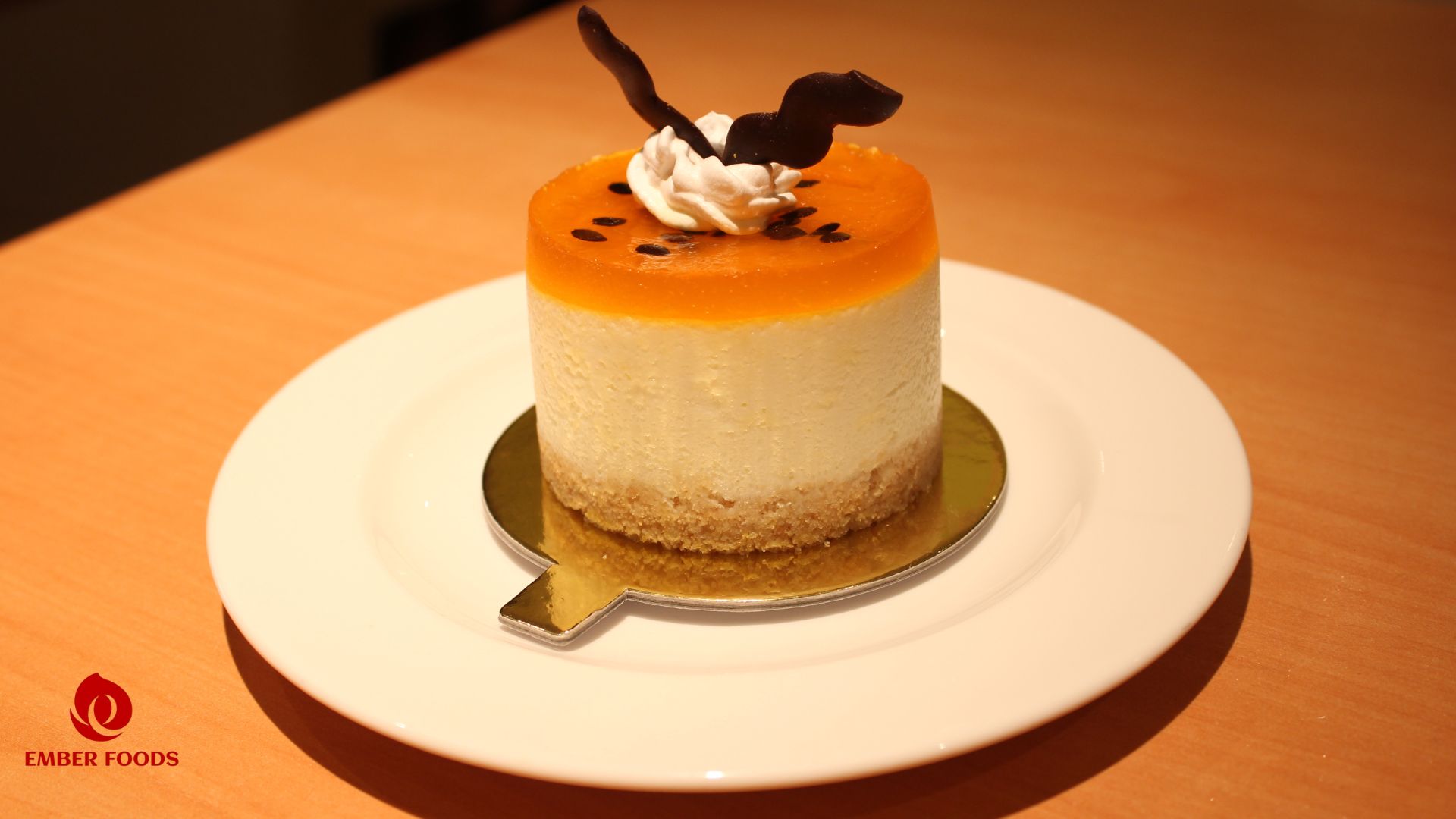
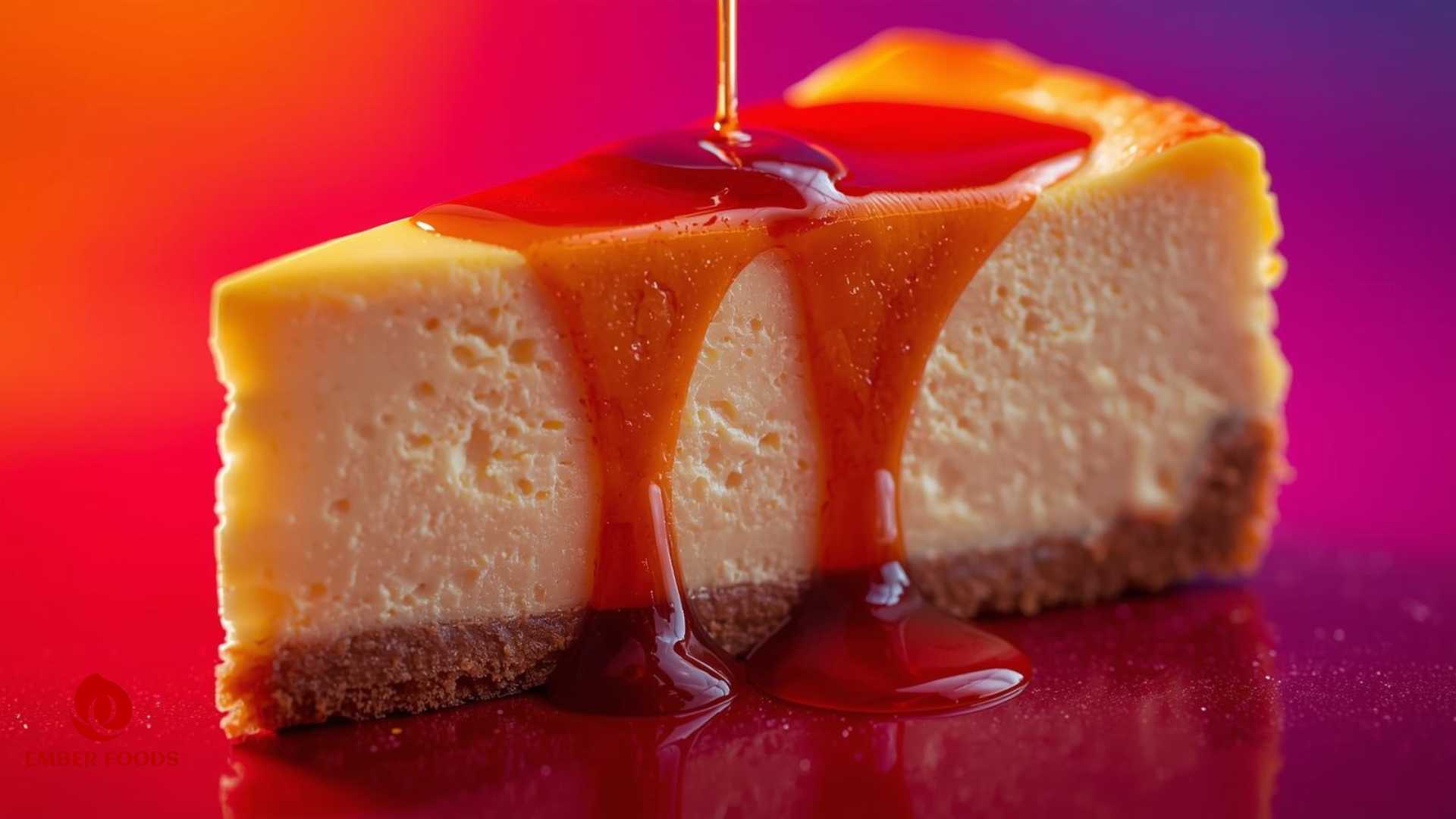
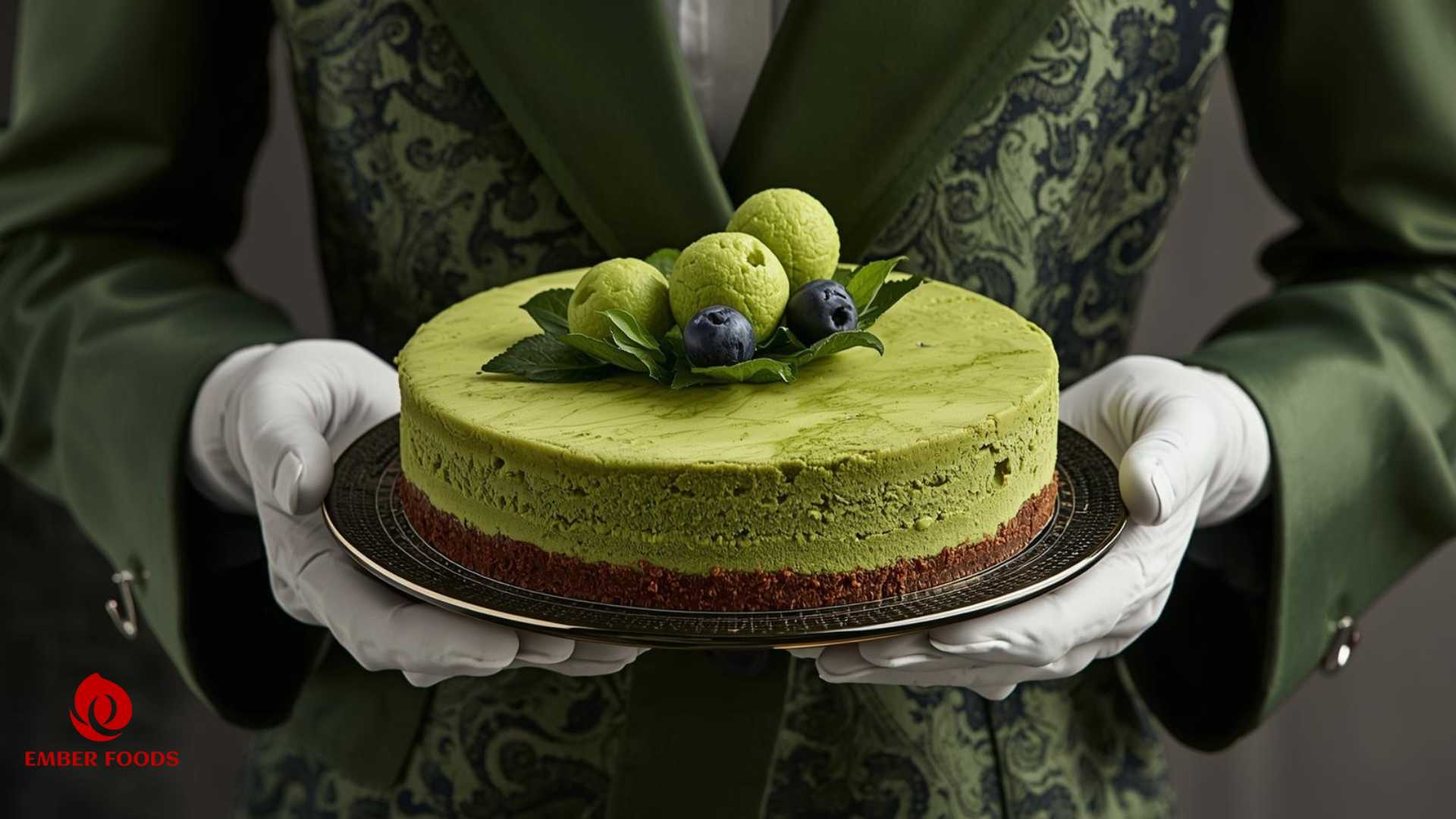
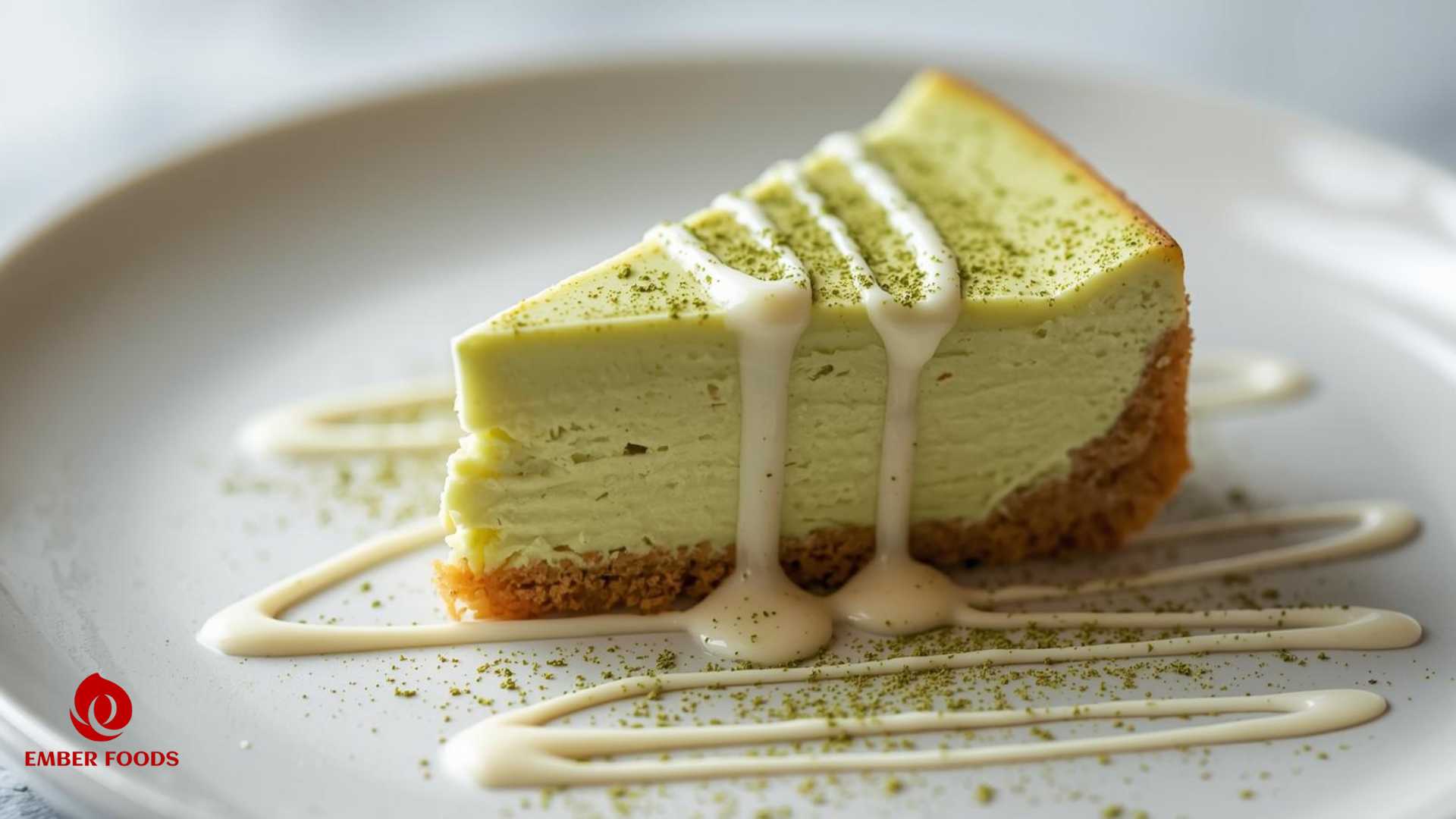
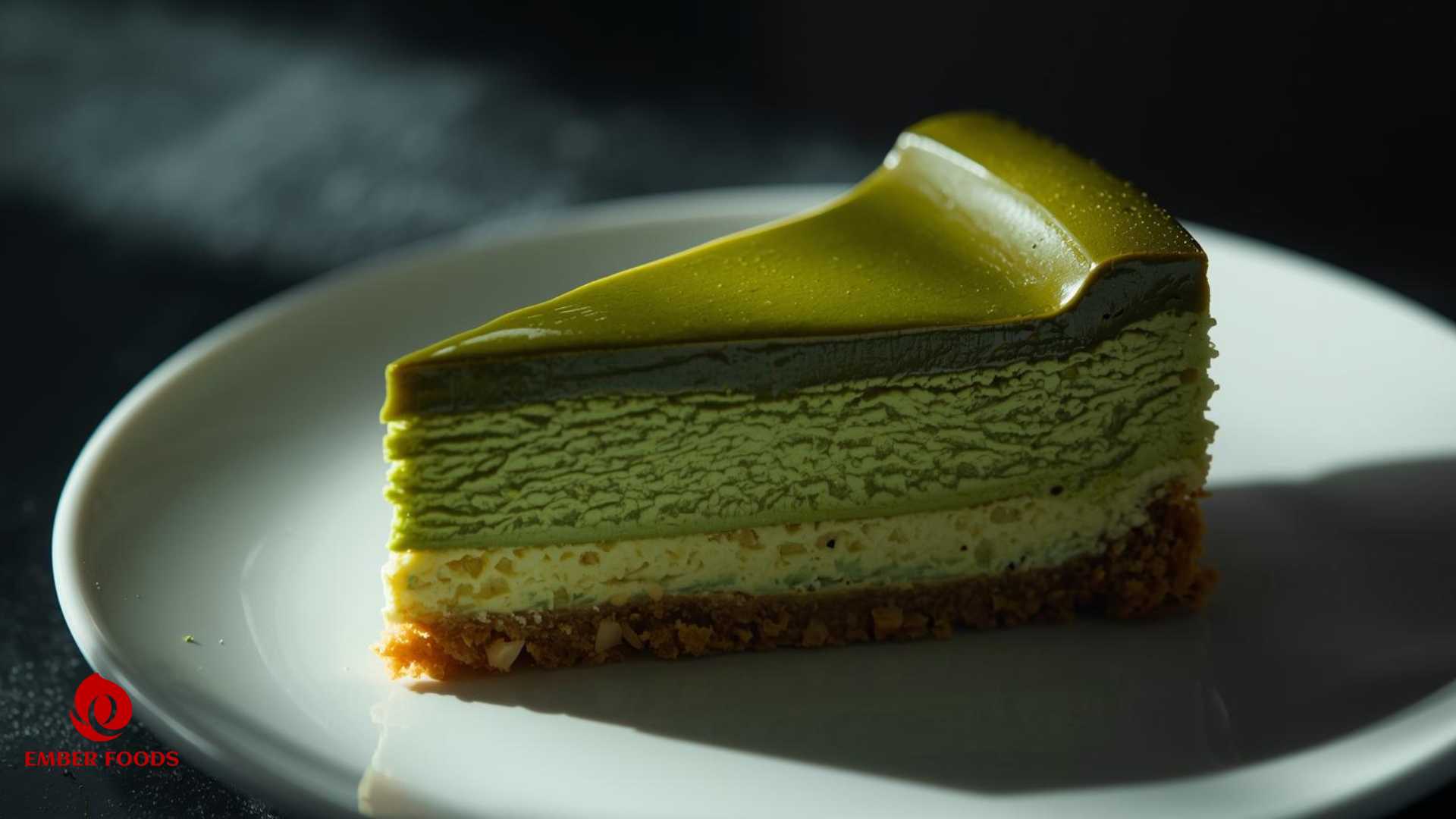
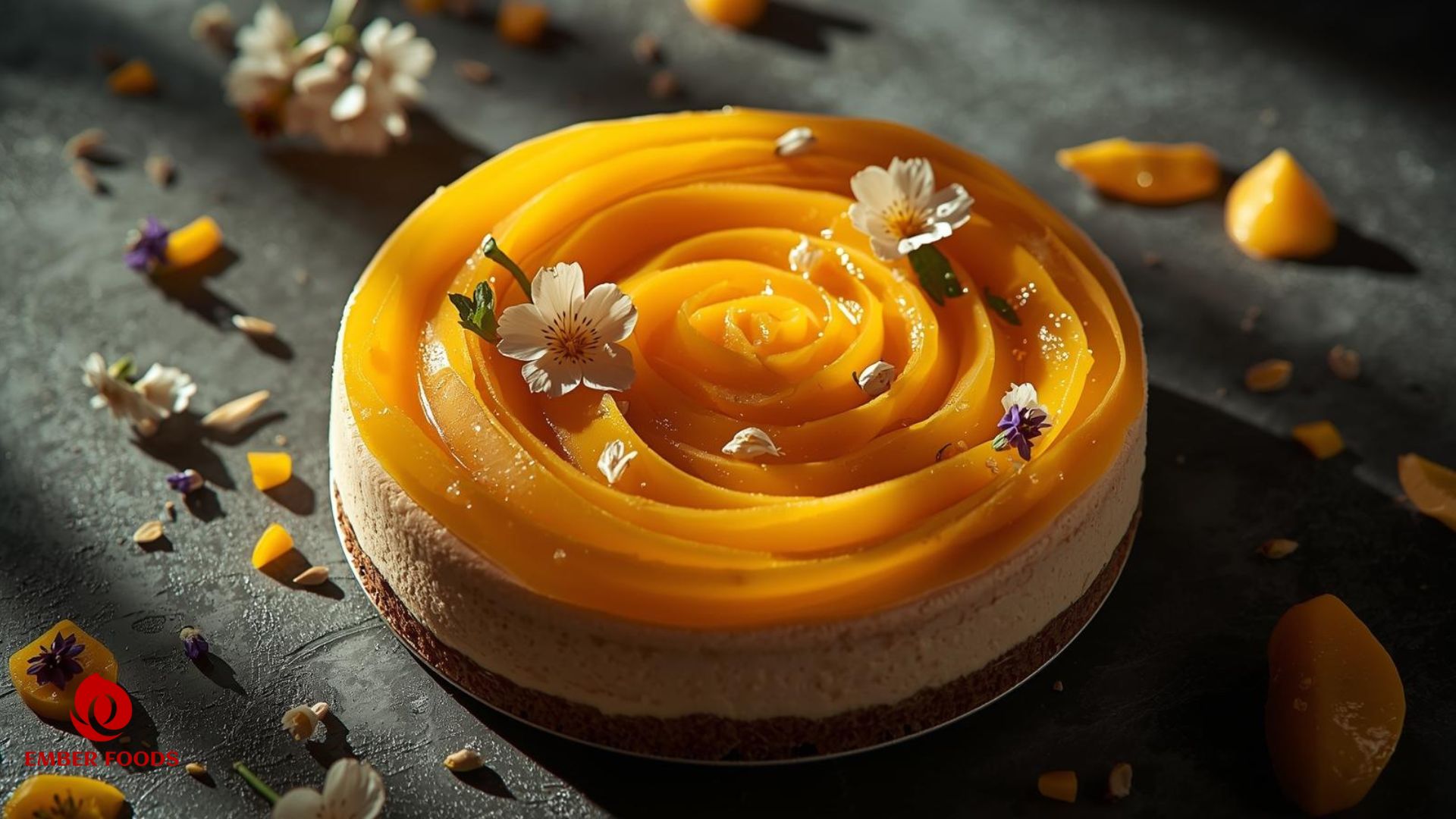
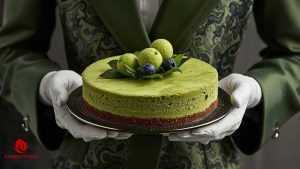
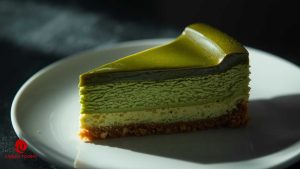
Fruit Cheesecake commonly combines a rich filling with the sweet-and-sour flavor of fruit. Chocolate Cheesecake tends toward a rich cocoa flavor, while green tea Cheesecake has the characteristic aroma of green tea. Passion fruit Cheesecake stands out for its fragrant tanginess, which helps balance the richness of the cheese.
Why Can Cheesecake Have Either a Dense or Smooth, Soft Texture?
The texture of Cheesecake depends on the proportions of cream cheese, eggs, cream, and gelatin, as well as the preparation method. Baking temperature affects the degree to which proteins in the eggs and filling set, while refrigeration determines the stability of many no-bake Cheesecakes. Therefore, the same group of ingredients can still produce noticeably dense or soft cakes when handled differently.
Cream Cheese and Cream Determine the Rich, Soft Texture
A higher proportion of cream cheese generally creates a richer-flavored and firmer filling. Increasing cream can make the texture softer and smoother when the other ingredients are properly balanced. This is why chilled Cheesecake often feels different from baked Cheesecake.
Eggs and Baking Temperature Affect Density
In baked Cheesecake, eggs contribute to the structure as they are heated. Excessively high temperatures or baking for too long can make the filling firmer and drier than desired. Conversely, appropriate control of temperature and baking time helps the filling retain its softness.
Gelatin and Refrigeration Help Cheesecake Maintain Its Shape
For chilled Cheesecake, gelatin may be used to help create structure after the cake is refrigerated. The amount of gelatin and refrigeration time affect the firmness of the cake. If too little is used, the cake may be softer; if too much is used, the texture may become firm and less smooth.
How Many Calories Does Cheesecake Have and How Should It Be Eaten Appropriately?
There is no fixed calorie level for every type of Cheesecake because energy content varies according to the recipe, size, and toppings. Cream cheese, butter, cream, and sugar can all contribute significantly to total energy, while fruit may add carbohydrates and certain micronutrients. Therefore, a more practical approach is to control the portion rather than focusing only on one general calorie figure.
Fat, Carbohydrates, and Sugar Contribute Significantly to Energy
Fat generally comes from cream cheese, butter, and cream; carbohydrates mainly come from sugar and the cake base. Versions containing chocolate, sweet sauces, or heavily sweetened toppings may provide more energy.
Cheesecake Contains Protein but Is Not a High-Protein Food
Cream cheese and eggs provide protein, but Cheesecake remains a dessert in which fat and sugar content should be considered. When consuming it, the overall nutrition of the meal should be taken into account and portions should remain moderate, especially when the cake is eaten regularly.
Article Summary
Cheesecake is a cheese cake with a smooth, soft filling that combines richness with the characteristic slight tanginess of cream cheese. Common ingredients include cream cheese, sugar, eggs, cream, and a cake base made from biscuits and butter. The cake comes in many forms, including baked Cheesecake, chilled Cheesecake, New York, fruit, chocolate, green tea, and passion fruit varieties. Its dense or soft texture depends on the ingredients, baking temperature, and refrigeration process. Because it contains considerable amounts of fat and sugar, Cheesecake should be eaten in appropriate portions and balanced within the overall diet.
Frequently Asked Questions
Is Cheesecake made from cheese?
Cheesecake uses cheese as the main ingredient in the filling, most commonly cream cheese. This ingredient creates the rich flavor, smoothness, and characteristic texture of the cake. Depending on the recipe, cheese may be combined with eggs, sugar, cream, or yogurt. The base is usually made from crushed biscuits mixed with butter, although some types may use a baked flour-based base.
What is the difference between baked Cheesecake and chilled Cheesecake?
Baked Cheesecake is cooked with heat and commonly uses eggs to create a stable structure for the filling. Chilled Cheesecake, on the other hand, is typically set using gelatin or the setting properties of its ingredients after refrigeration. Baked varieties generally have a firmer, richer, and more intense texture, while chilled varieties feel lighter, softer, and cooler. The preparation method creates clear differences in texture and flavor.
Is Cheesecake high in calories?
Cheesecake generally provides a considerable amount of energy because the filling contains cream cheese, sugar, and sometimes cream. The cake base made from biscuits and butter also contributes to fat and carbohydrates. Versions with chocolate, sauces, or sweet toppings generally provide more energy. The actual calorie content depends on the recipe, size of the slice, and accompanying ingredients.