Tiếng Việt











What Makes Brownies Special and What Is Their Texture Like?
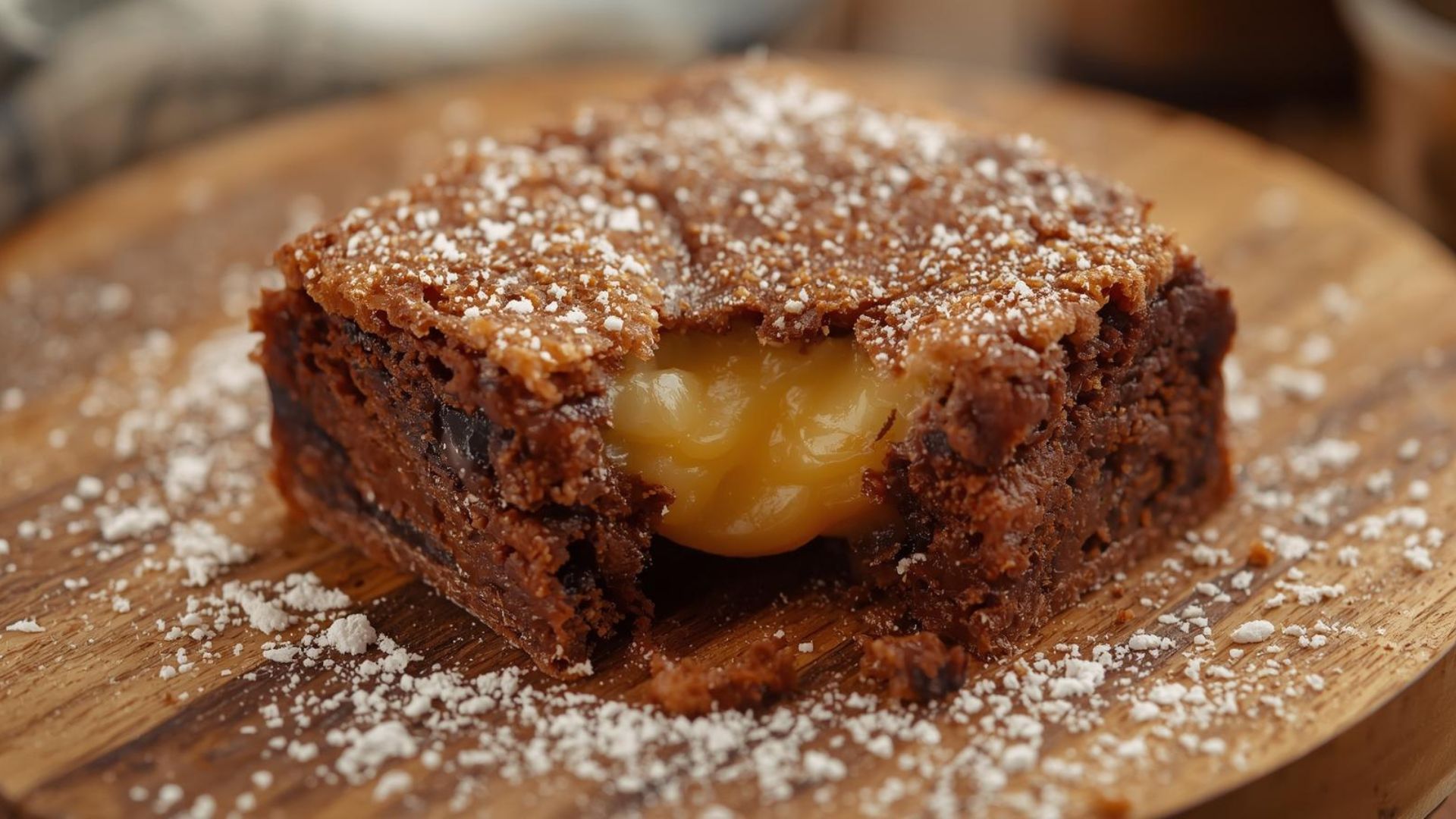
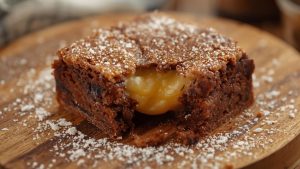
Brownies are a type of baked dessert with a pronounced chocolate flavor, typically dark brown in color and denser in texture than many types of sponge cake. Depending on the recipe, brownies can be moist and soft inside, slightly crisp on the surface, or have a mildly chewy texture. Cocoa powder and chocolate create a rich flavor, while butter and sugar contribute richness, sweetness, and the characteristic texture. Some recipes retain a slight bitterness from the cocoa to balance the sweetness.
Brownies are usually cut into square or rectangular pieces after baking. Unlike cakes with an airy structure containing many air bubbles, brownie batter is generally mixed in a way that limits aeration, resulting in a denser and moister sensation when eaten. The degree of density, softness, or chewiness depends considerably on the recipe and baking time.
Cocoa powder provides the brown color and rich chocolate flavor, while chocolate can add richness and sweetness depending on the type used. When combined with butter and sugar, these two ingredients create the characteristic flavor foundation of brownies.
What Ingredients Are Used to Make Brownies?
The basic ingredients for brownies include flour, cocoa powder, chocolate, butter, sugar, and eggs. Vanilla and a small amount of salt are commonly used to balance the flavor. Depending on the recipe, walnuts or almonds may be added to create crunch and increase textural variety.
Flour provides structure to the brownies, but the amount is generally balanced so that the brownies do not become overly dry. Cocoa powder enhances the color and chocolate flavor. Chocolate can be melted and mixed into the batter or used in pieces to create rich chocolate pockets throughout the brownies.
Butter provides fat, contributing softness and richness. Sugar provides sweetness while also affecting the moisture and surface of the brownies. Eggs help bind the ingredients together while also contributing to the structure that forms during baking.
Nuts are not required in the basic recipe but are often added to increase crunch. Walnuts have a rich and slightly nutty flavor, while almonds provide a more pronounced crunch when roasted before being mixed into the batter.
What Types of Brownies Are Commonly Available?
Brownies have many variations based on additional ingredients and adjustments to their texture. Some varieties retain the traditional chocolate flavor, while others combine cheese, caramel, green tea, or cream fillings. The main differences lie in the flavoring ingredients and accompanying fillings.
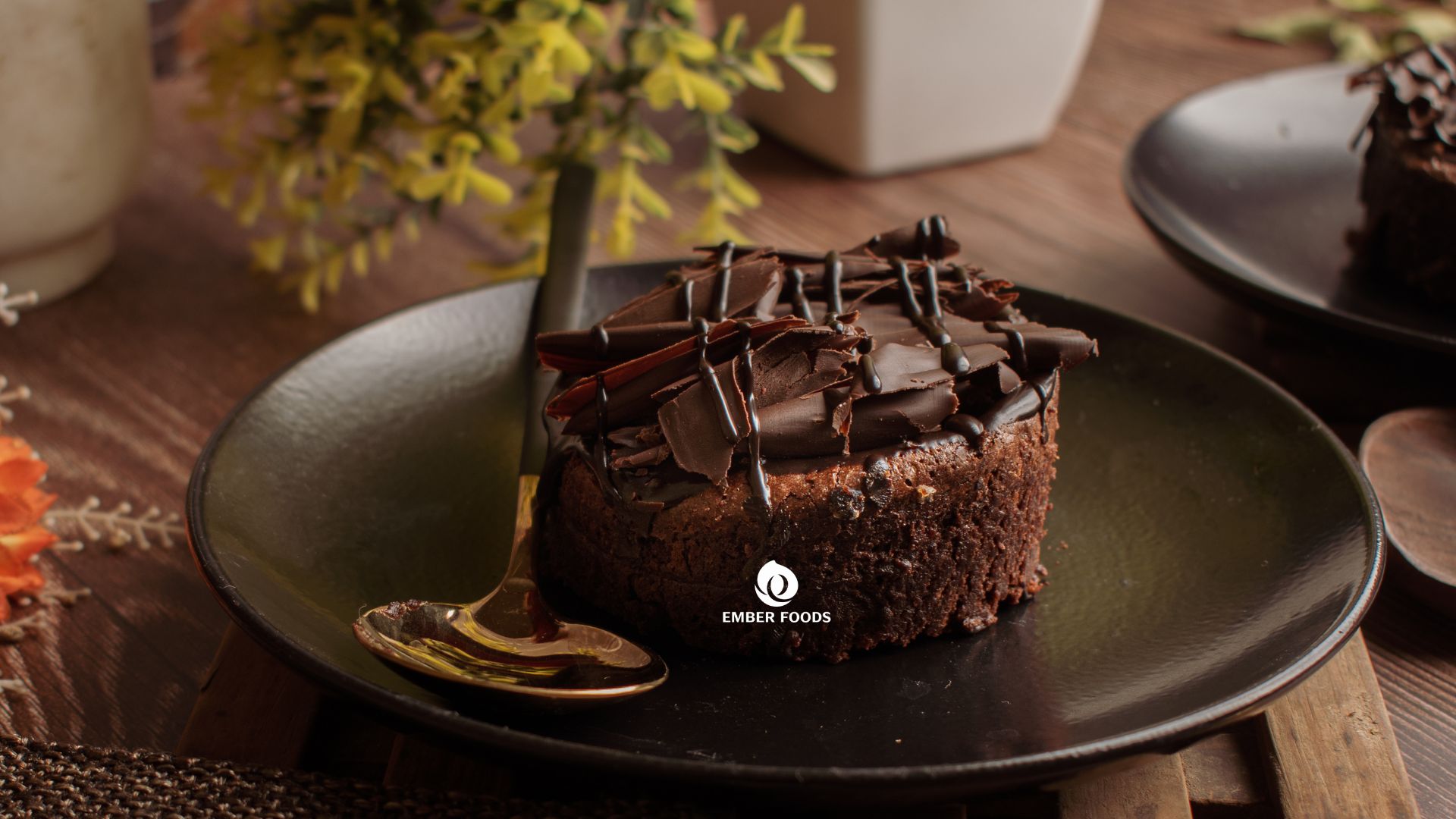
Traditional brownies generally focus on cocoa, butter, and sugar, with a dense and moist texture. Chocolate brownies may use additional melted chocolate or chocolate pieces to intensify the flavor and richness.
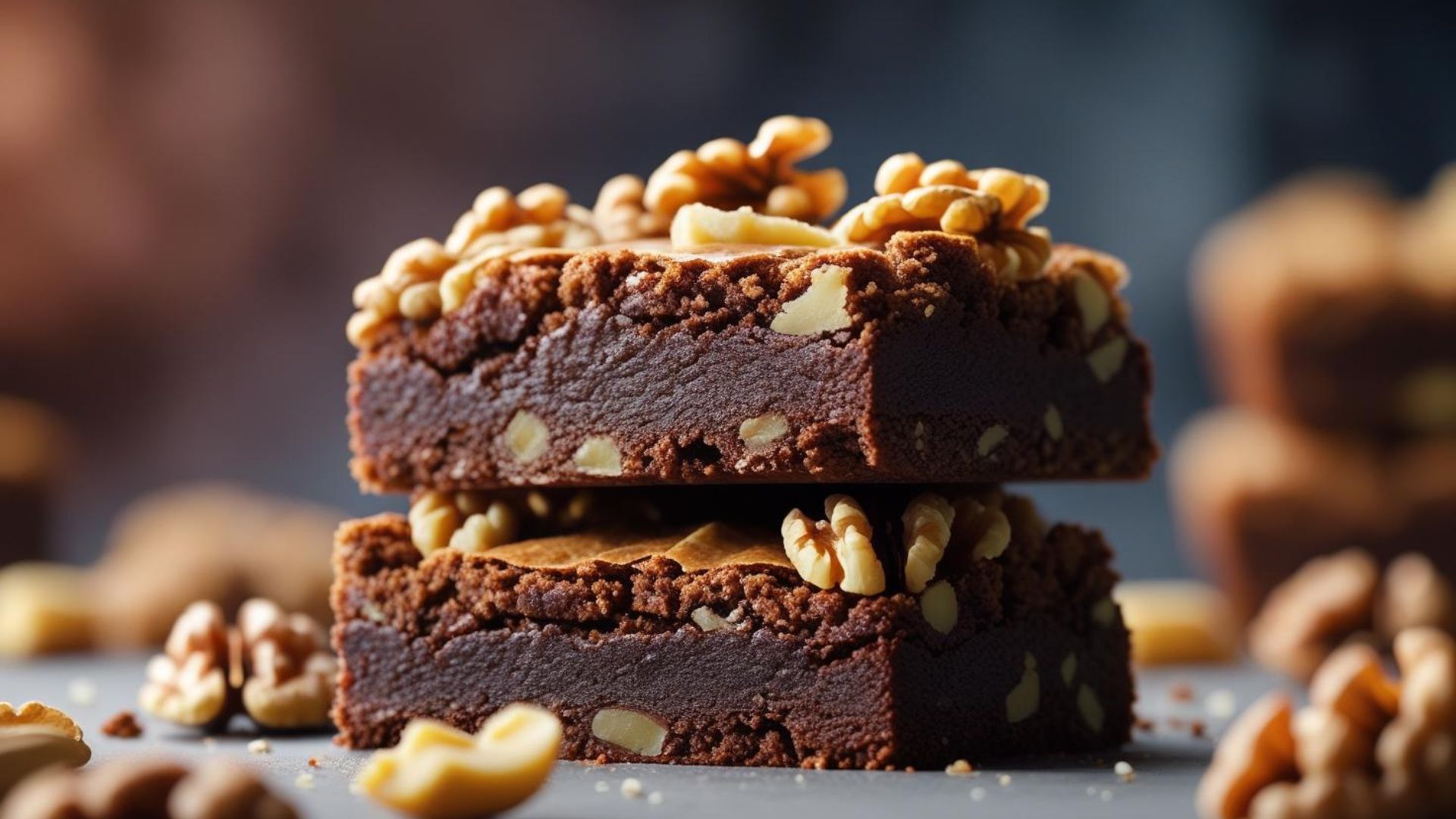
Nut brownies commonly combine walnuts or almonds to create a contrast between the soft brownie and crunchy nuts. Cheese brownies contain an additional layer of soft cheese, creating richness and a slightly salty flavor that balances the chocolate base.
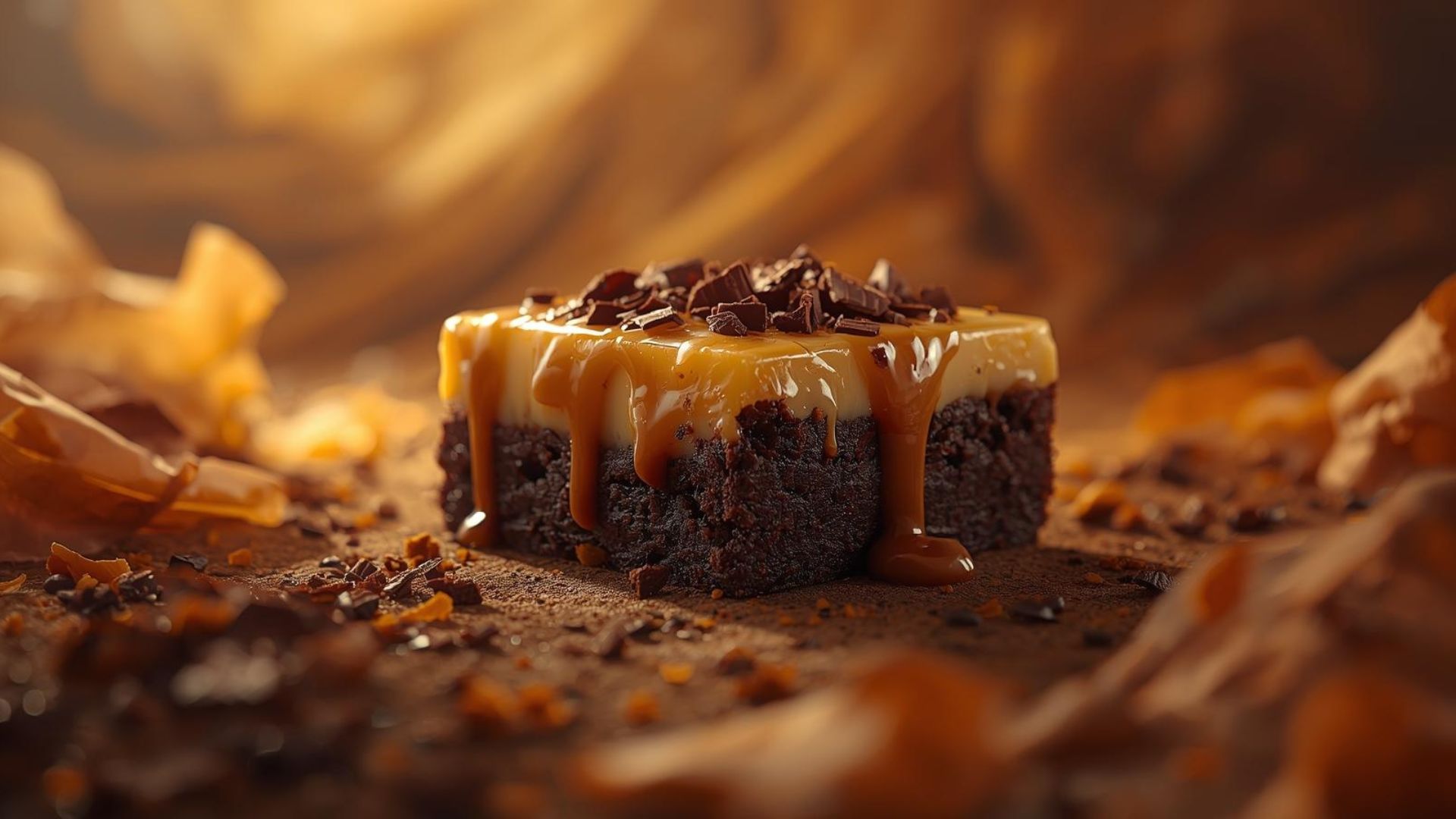
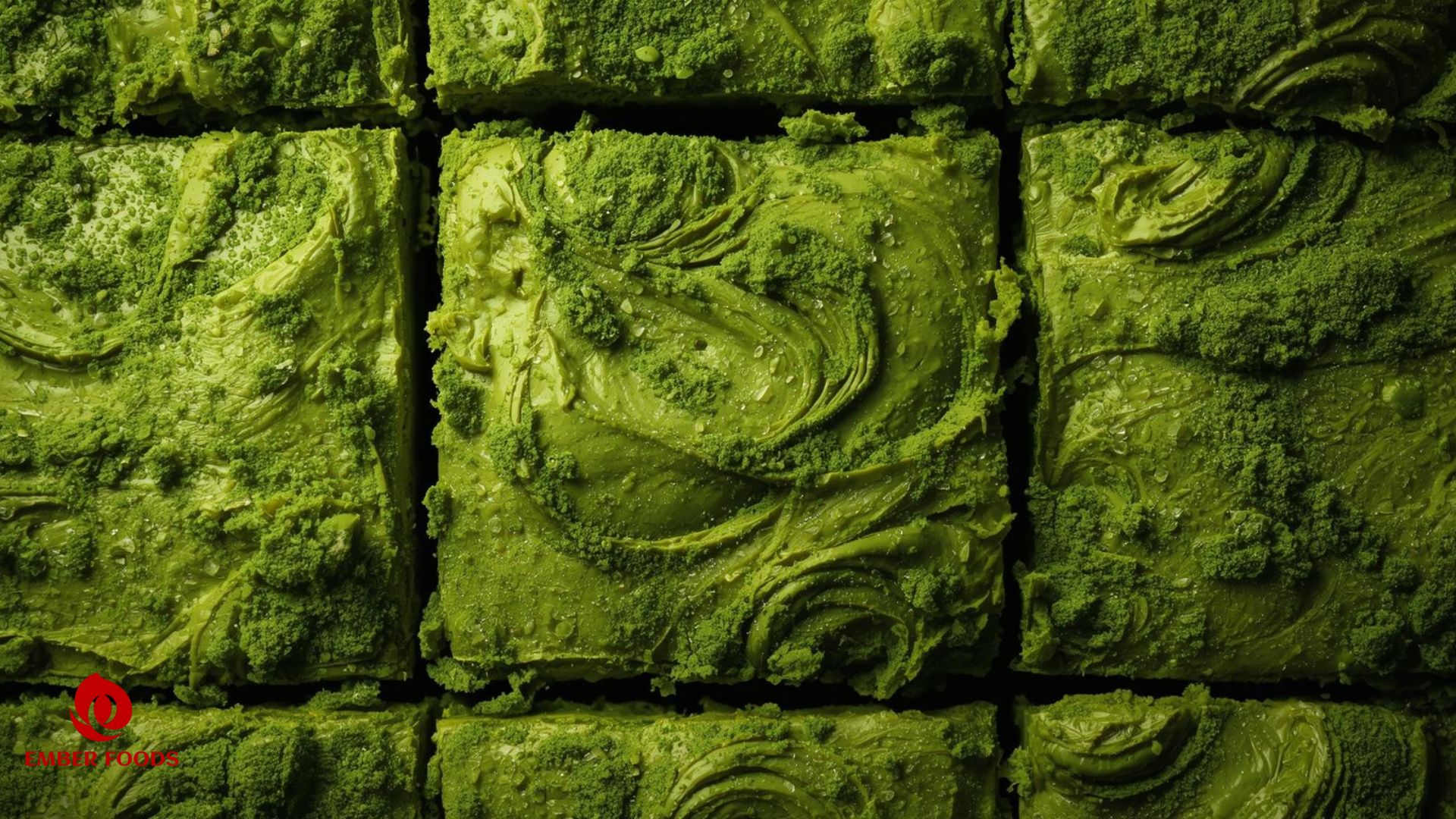
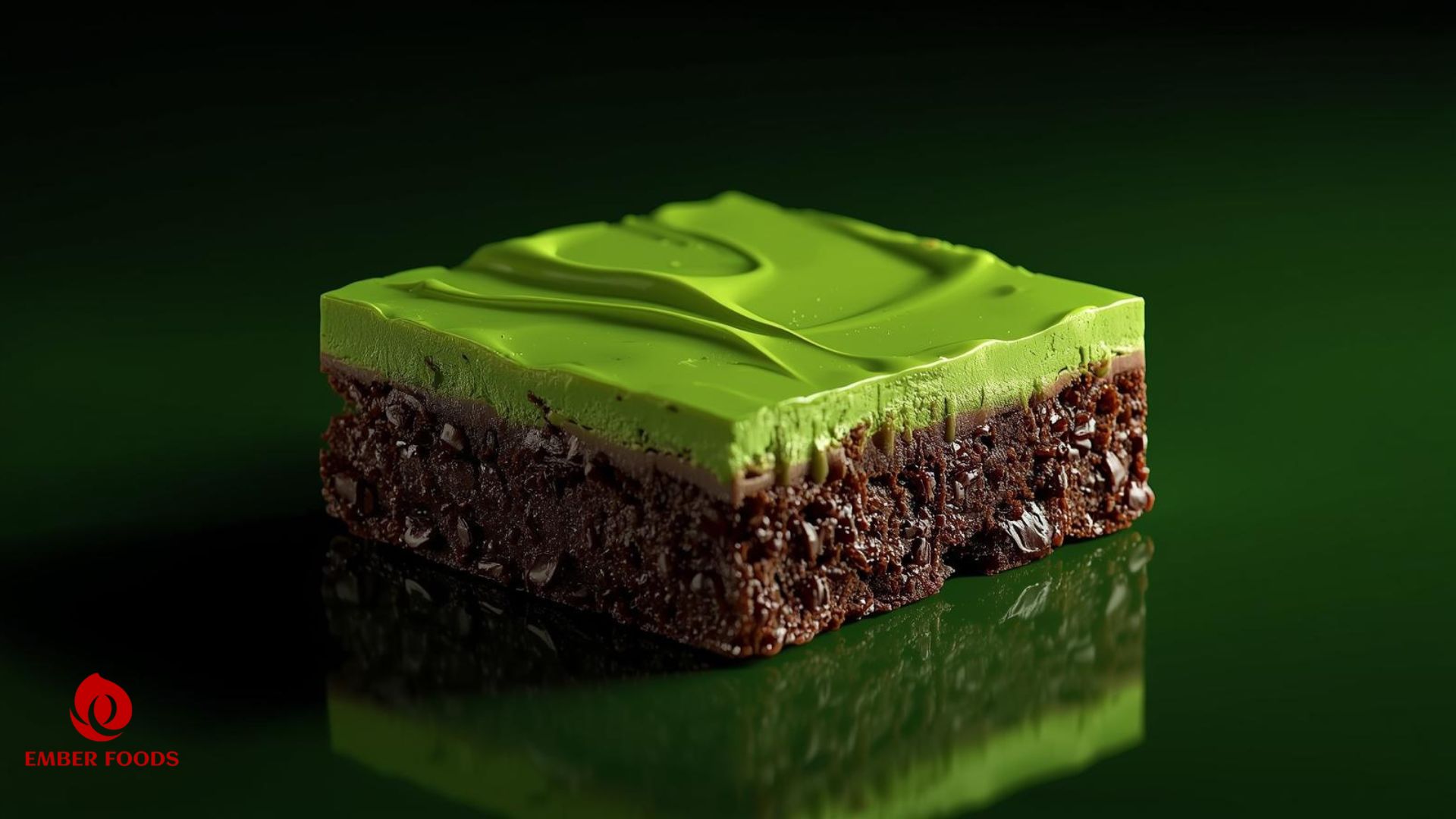
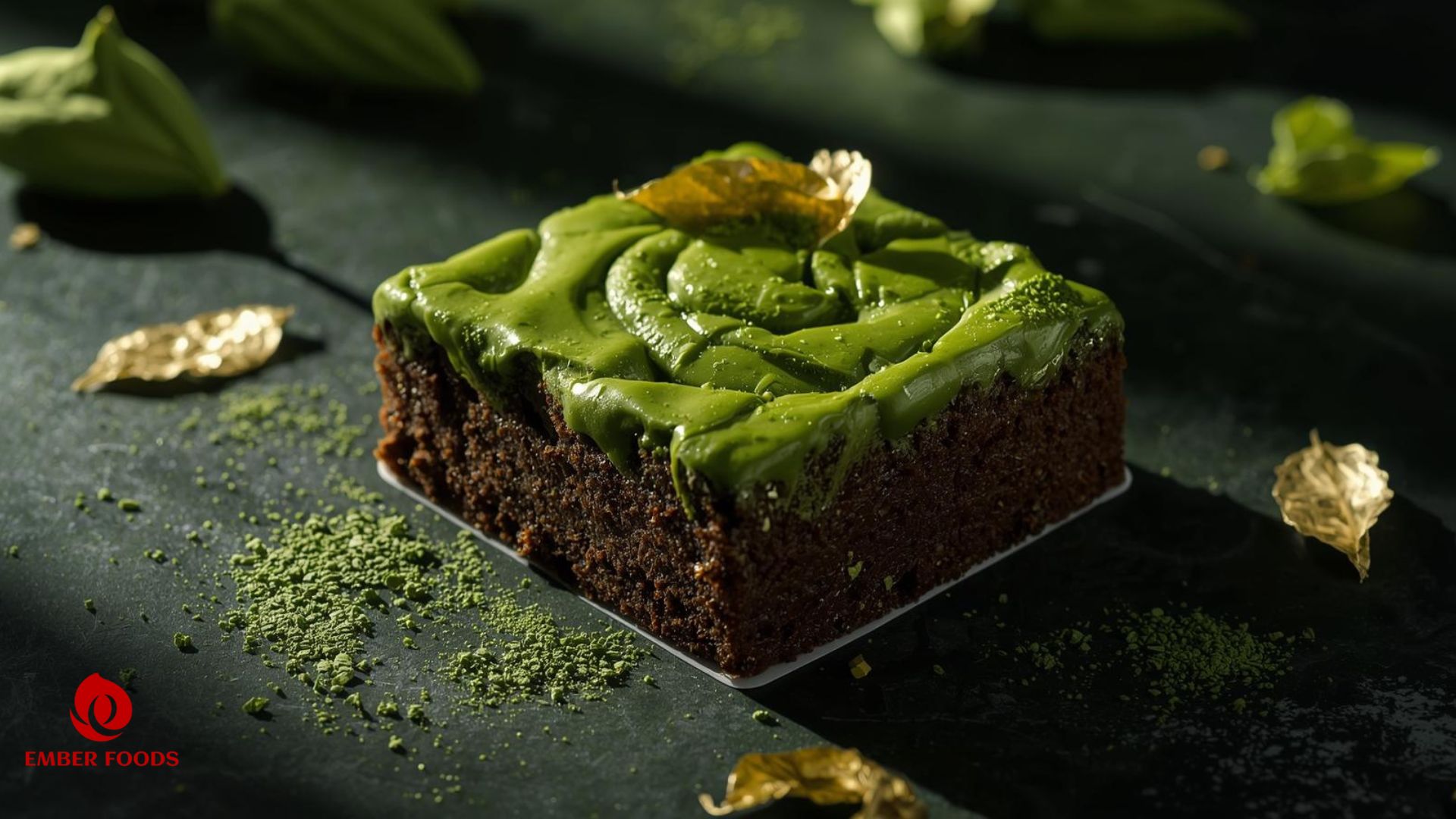
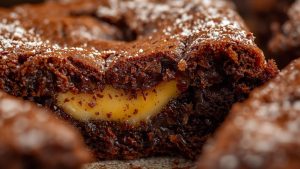
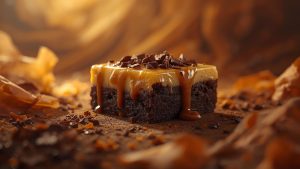
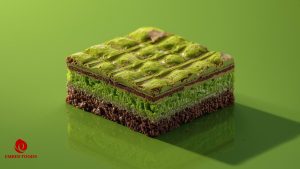
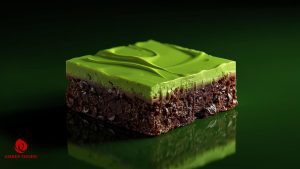
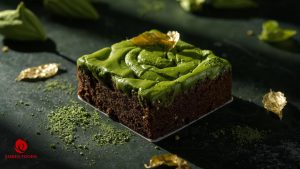
Caramel creates a rich sweetness and distinctive aroma. Green tea brownies replace part of the cocoa flavor with green tea, sometimes accompanied by a cream or white chocolate layer in certain recipes. Cream-filled brownies contain a soft filling placed between or inside the brownie layers.
Why Do Brownies Have Multiple Textural Layers?
Brownie texture is influenced by the ratios of butter, sugar, eggs, flour, cocoa powder, and chocolate, as well as baking time. Recipes containing more fat and liquid generally create a softer, moister texture, while longer baking times can make the brownies firmer and drier. The surface may develop a slight crispness due to the sugar and the heating process.
Brownies develop a dense texture when the batter contains an appropriate ratio of flour and liquid and is not beaten with excessive air. A soft and moist interior is a characteristic that many people enjoy because it creates a rich sensation without being overly airy.
The surface may become slightly crisp while the interior remains soft. If melted chocolate or chocolate pieces are used, the brownies may contain pockets that are softer, richer, and more intensely flavored. Baking time needs to be controlled to prevent excessive loss of moisture from the interior.
How Many Calories Do Brownies Have and How Should They Be Eaten?
The calorie content of brownies varies according to the recipe, piece size, and amount of chocolate, butter, and sugar used. They are generally relatively energy-dense because they contain both carbohydrates and fat. When eating brownies, it is advisable to pay attention to portion size and total food intake throughout the day rather than relying on a single fixed calorie figure.
Carbohydrates mainly come from flour and sugar, while fat generally comes from butter, chocolate, and nuts. Brownies with added caramel or cream usually contain more sugar and energy than simpler versions.
Eggs, milk if included in the recipe, and nuts contribute protein, but brownies should still be considered a snack or dessert rather than a primary source of nutrition. A moderate piece can be chosen and eaten with fruit or a beverage without much added sugar to help balance the serving.
Article Summary
Brownies stand out with their deep brown color, pronounced chocolate flavor, and dense texture, which is often moist on the inside. Common ingredients include flour, cocoa powder, chocolate, butter, sugar, and eggs, with nuts or other flavoring ingredients optionally added. Brownies come in many variations, including traditional, cheese, caramel, green tea, and cream-filled versions. The texture depends heavily on the ingredient ratios and baking time. Because brownies contain butter, sugar, and chocolate, they are best enjoyed in an appropriate portion to help balance total energy intake.
Frequently Asked Questions
How Are Brownies Different from Chocolate Sponge Cake?
Brownies generally have a denser, moister texture and a more intense chocolate flavor than chocolate sponge cake. Brownie recipes typically use higher proportions of butter, chocolate, or cocoa powder and do not focus on creating a light, airy texture like sponge cake. Depending on the baking method, the surface may be slightly crisp while the interior remains moist and soft. This creates the characteristic texture of brownies.
What Types of Brownies Are Commonly Available?
Traditional brownies generally focus on a rich chocolate flavor and a moist texture. In addition, brownies can be combined with nuts such as walnuts, almonds, or pecans to create crunch. Some variations use cheese, caramel, cream, or green tea to change the flavor. Additional ingredients also affect the richness, sweetness, and texture of the brownies.
Are Brownies High in Calories?
Brownies are generally relatively high in energy because their recipes contain butter, sugar, chocolate, and sometimes nuts. The specific calorie content depends on the size of the piece and the proportion of each ingredient. Varieties with caramel, cream, or additional chocolate generally provide more energy than traditional versions. Therefore, portion size should be considered if brownies are consumed regularly.