Tiếng Việt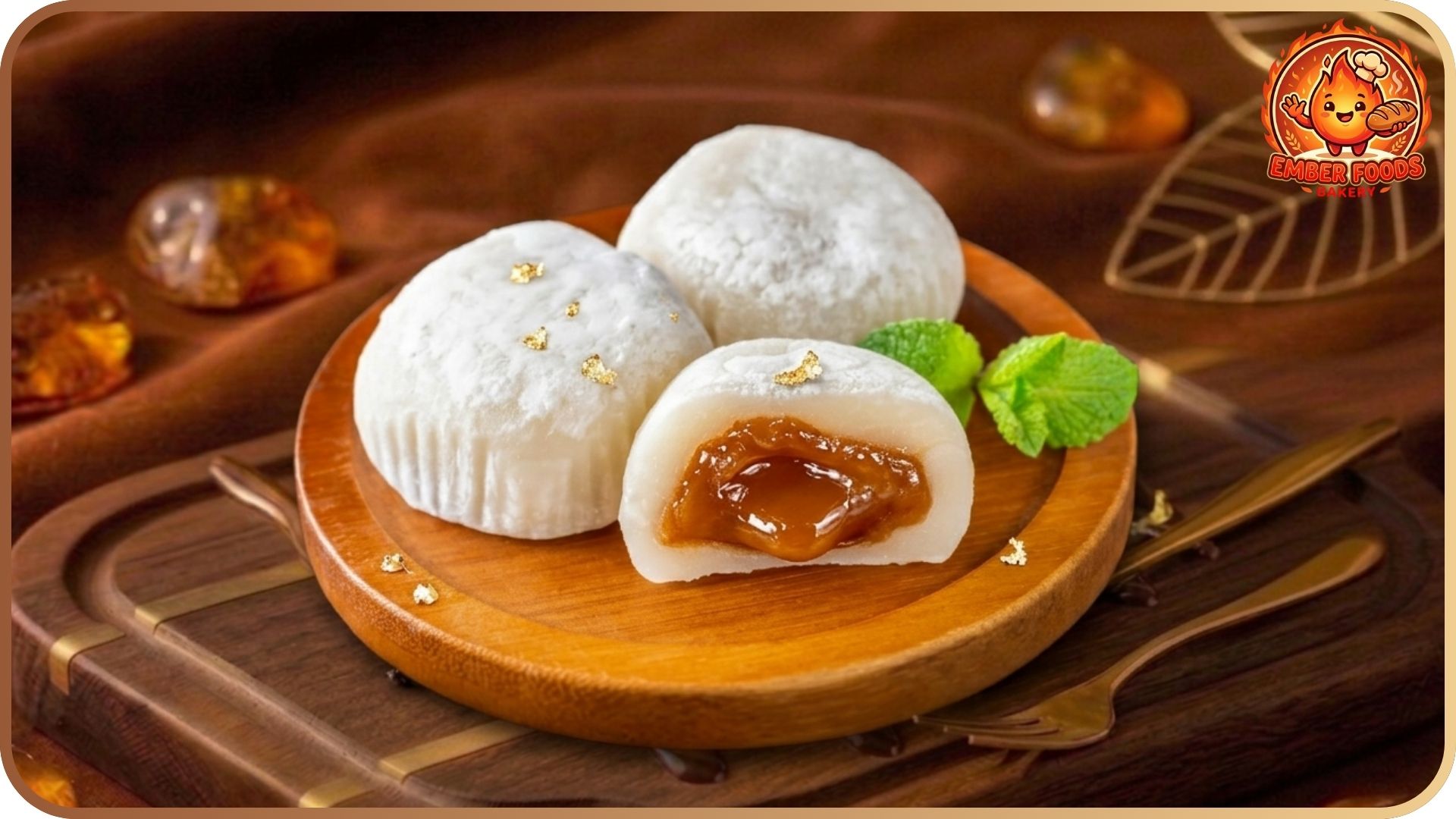




What Makes Mochi Special and Why Does It Have Its Characteristic Chewy Texture?
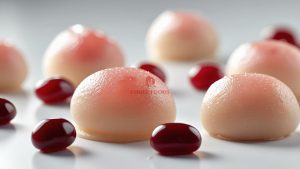
Mochi is a famous Japanese confectionery, characterized by a soft, chewy outer layer with slight elasticity when chewed. This texture mainly comes from glutinous rice flour, an ingredient rich in starch that can create a sticky structure when cooked with water. Inside the outer layer, there is usually a variety of fillings, ranging from traditional red bean to cream, chocolate, or fruit, creating different flavor experiences.
Japanese Rice Cake Has a Characteristic Soft and Chewy Texture
Traditional Mochi is made from glutinous rice that is pounded or processed into a chewy dough. When the starch in glutinous rice is cooked, the structure of the dough changes, creating its characteristic chewiness and elasticity. In modern types of Mochi, glutinous rice flour is often combined with other ingredients to adjust the softness, chewiness, and eating texture.
What Ingredients Is Mochi Made From?
The basic ingredients of Mochi are relatively simple, usually centered around glutinous rice flour, water, and sugar. Depending on the recipe, the cake may also contain starch, milk, cream, or fruit. The coating powder on the outside also varies depending on the type of cake, helping reduce stickiness and adding additional flavor.
Glutinous rice flour is an important component of the outer layer, while water allows the flour to absorb moisture and form a structure when heated. Sugar is used to add sweetness and may affect the softness of the cake. Some recipes add starch to adjust the texture or reduce stickiness during shaping.
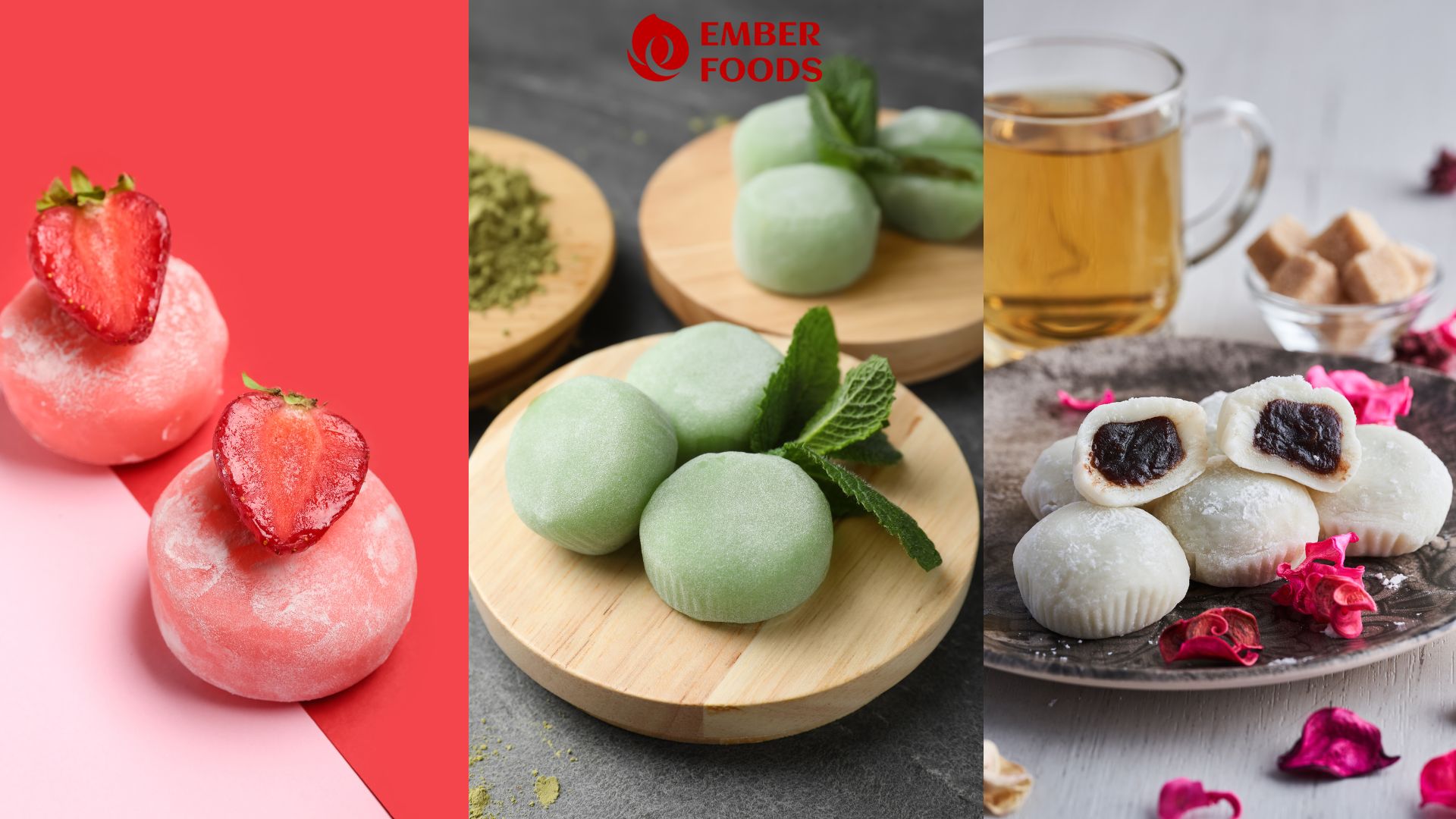
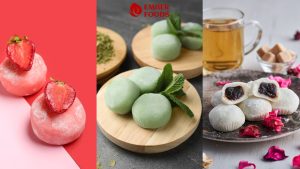
Mochi may contain red bean filling, milk, cream, or fruit. Modern recipes often use soft fillings such as milk cream, combined with the chewy outer layer to create a contrast in texture. For fruit-filled Mochi, strawberries and mangoes are common choices.
What Are the Most Popular Mochi Fillings?
The filling largely determines the flavor of Mochi and is also a factor that distinguishes different varieties of the cake. From mildly sweet and nutty red bean filling to cream, chocolate, fruit, or various nuts, each choice provides a different level of richness, sweetness, and aroma.
Red bean filling is usually made from red beans that are cooked until soft, then mashed or simmered with sugar. The nutty flavor of the beans combined with the chewy outer layer creates a style of Mochi close to the traditional approach.
Milk cream provides a smooth, soft sensation, while green tea cream has a distinctive aroma and is often used to balance sweetness. Chocolate provides a richer and more indulgent flavor, making it suitable for modern Mochi variations.
Strawberries and mangoes are often used to create sweet-and-sour flavors and fruity aromas. Meanwhile, black sesame and peanuts add a nutty, fragrant taste along with a different chewing sensation. The more varied the filling ingredients, the more the nutritional value and energy content of the cake may change.
What Are the Most Popular Mochi Variations?
Mochi today has many variations based on the way the outer layer is made, the type of filling, and storage temperature. Besides traditional Mochi, cream, fruit, green tea, chocolate, and chilled Mochi varieties have been adapted to suit modern tastes. The main differences lie in the filling, texture, and way the cake is enjoyed.
Traditional Mochi generally maintains the combination of a chewy glutinous rice flour outer layer and red bean filling. This recipe emphasizes the nutty flavor of the beans and the soft, lightly chewy sensation of the outer layer.
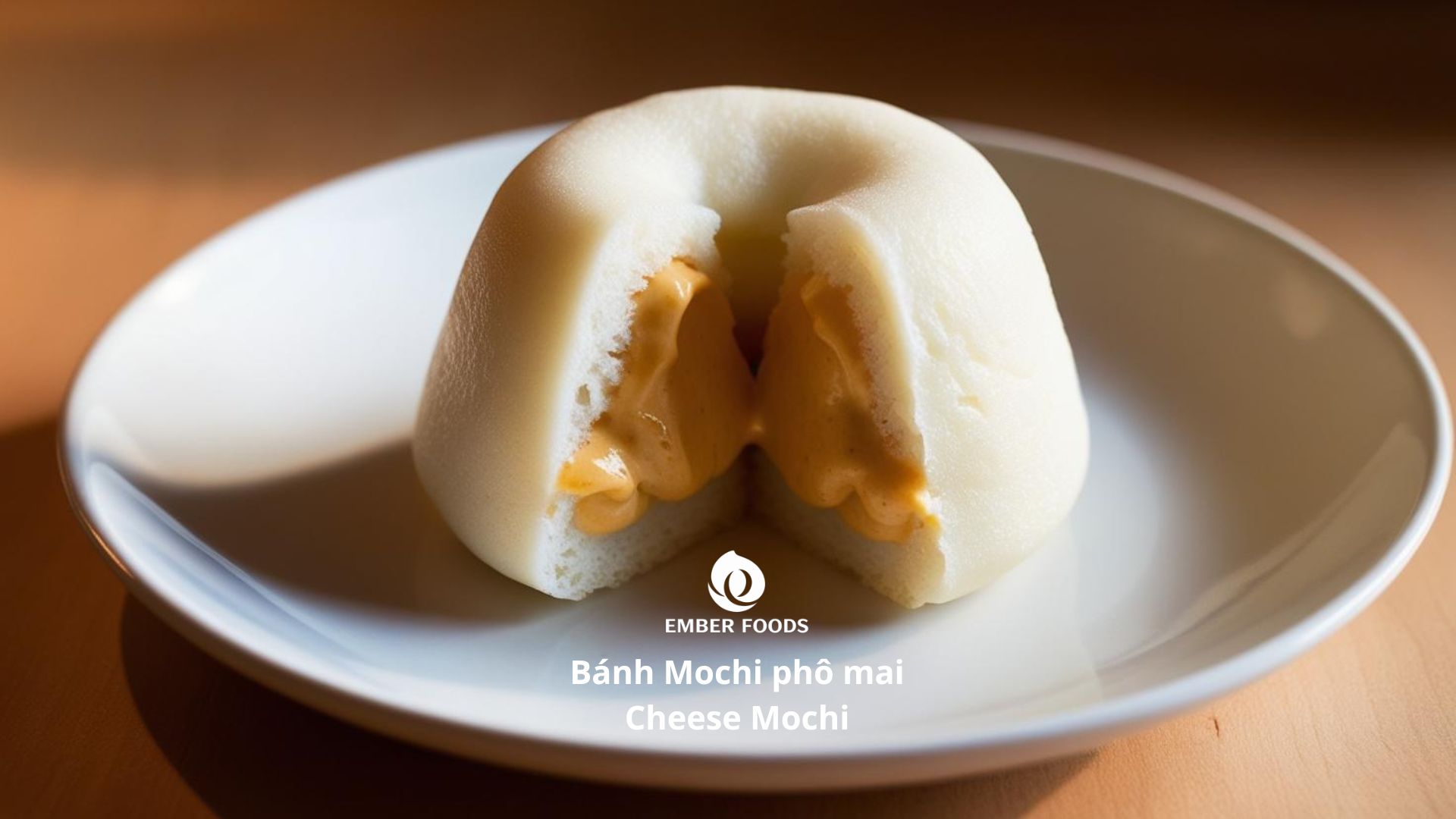
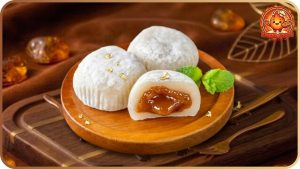
Cream-filled Mochi usually has a chewy outer layer and soft cream inside. Chilled Mochi is stored at a low temperature to create a cool sensation when eaten, often combined with cream fillings or other soft fillings.
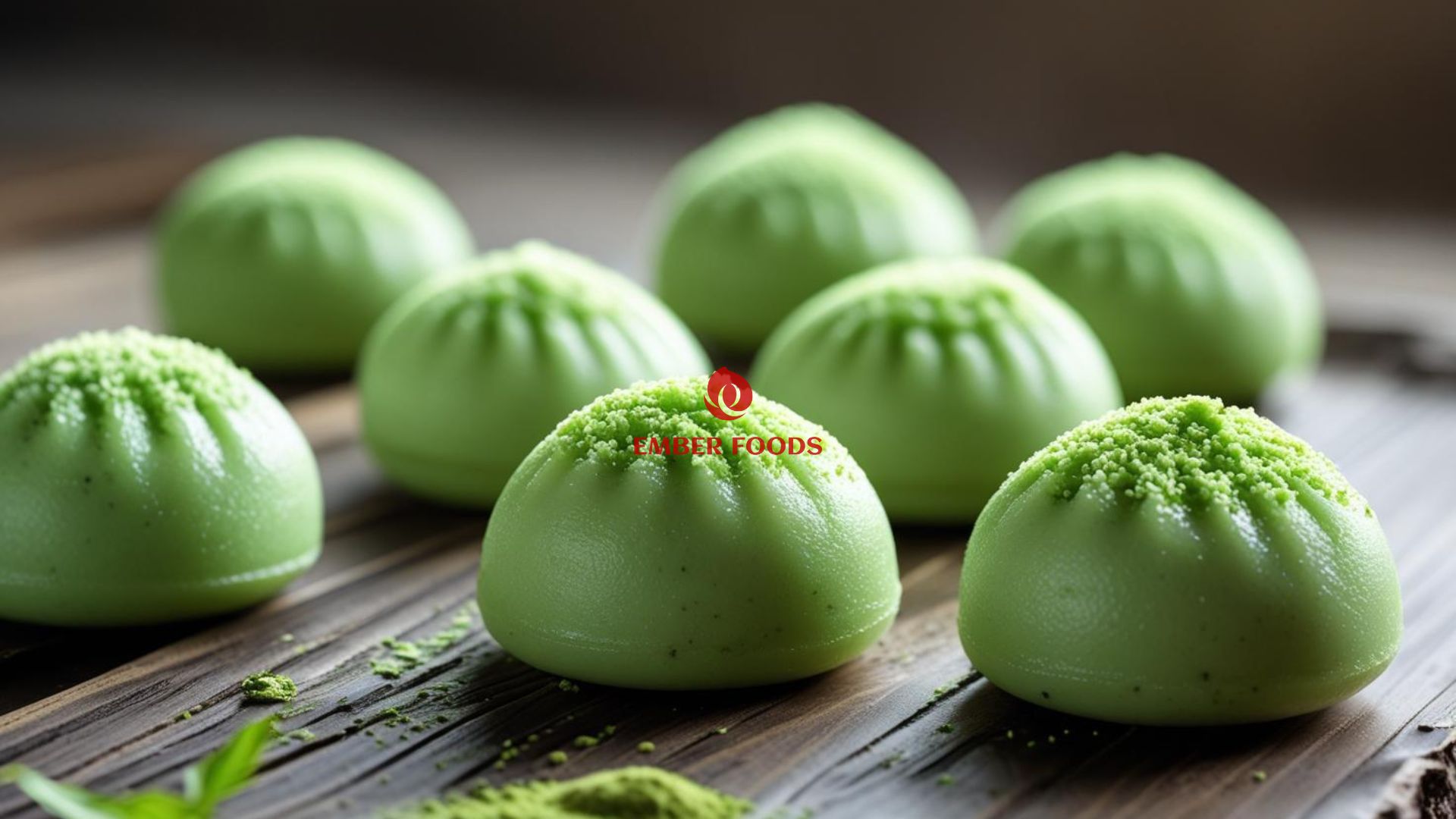
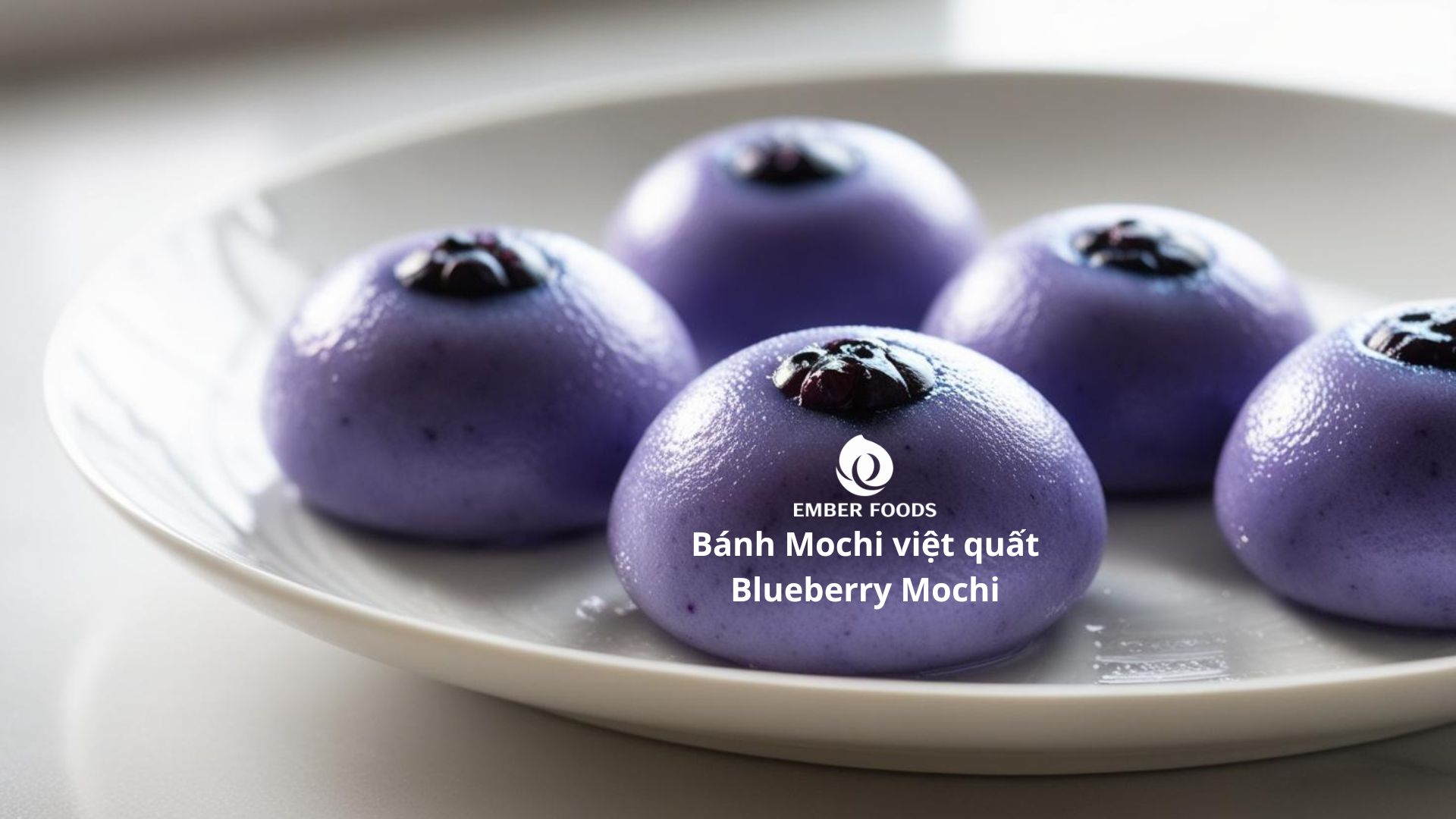
Fruit-filled Mochi focuses on fresh and sweet-and-sour flavors, while green tea Mochi provides a distinctive aroma. Chocolate Mochi tends toward a richer cocoa flavor and a more indulgent, sweet taste.
How Many Calories Does Mochi Have and How Should It Be Eaten Appropriately?
The amount of calories in Mochi is not fixed because it depends on the size, amount of sugar, type of filling, and fat-containing ingredients. The outer layer mainly provides carbohydrates from glutinous rice flour and sugar, while cream, chocolate, or nuts can add more fat and energy. Therefore, Mochi should be considered a snack and balanced with the total portion consumed throughout the day.
Glutinous rice flour provides carbohydrates, while sugar adds additional energy and sweetness. If the cake contains cream or chocolate filling, the fat content may be higher than that of red bean or fruit-filled varieties, depending on the recipe.
Mochi is small in size but has a dense texture and is often sweet, making it easy to eat several pieces consecutively. When consuming it, attention should be paid to the portion, with a moderate amount preferred while also considering the energy provided by other foods consumed during the day. People who need to control sugar or total energy intake should check the nutritional information on the packaging for packaged products.
Article Summary
Mochi is a Japanese rice cake known for its soft, chewy outer layer and elasticity resulting from the properties of glutinous rice flour when cooked. Its fillings are diverse, ranging from red bean, milk cream, green tea, and chocolate to strawberries, mangoes, and various nuts. Mochi now has many variations, such as traditional Mochi, cream-filled Mochi, fruit-filled Mochi, and chilled Mochi. The calorie content varies according to the size, outer layer ingredients, and type of filling. To maintain nutritional balance, attention should be paid to portion size and total energy intake in the daily diet.
Frequently Asked Questions
What flour is Mochi made from?
Traditional Mochi is made primarily from glutinous rice, usually in the form of glutinous rice flour to create its characteristic soft and chewy outer layer. When combined with water and sugar and then treated with heat, the flour forms a structure with stickiness and elasticity. Depending on the type of cake, the outer layer may be coated with a fine layer of powder to reduce stickiness. The filling inside can vary from red bean to cream, fruit, or chocolate.
Is Mochi a sweet cake?
Mochi can be considered a sweet cake when it contains sugar and sweet fillings. Popular versions usually have a chewy glutinous rice outer layer combined with red bean, cream, or fruit filling. However, the preparation methods and flavors of Mochi are highly diverse. Some variations may reduce the sweetness or change the filling to create a flavor different from the traditional type.
Is Mochi high in calories?
The calorie content of Mochi depends on its size, amount of sugar, and type of filling. The outer layer made from glutinous rice mainly provides carbohydrates, while cream, chocolate, or other rich fillings can increase the total energy content. Fruit-filled Mochi is not necessarily lower in calories if the outer layer contains a large amount of sugar. Therefore, attention should be paid to the cake size and portion when eating.