Tiếng Việt






















What Are the Characteristics of Fresh Sandwich Bread Crust and What Is It Used For?
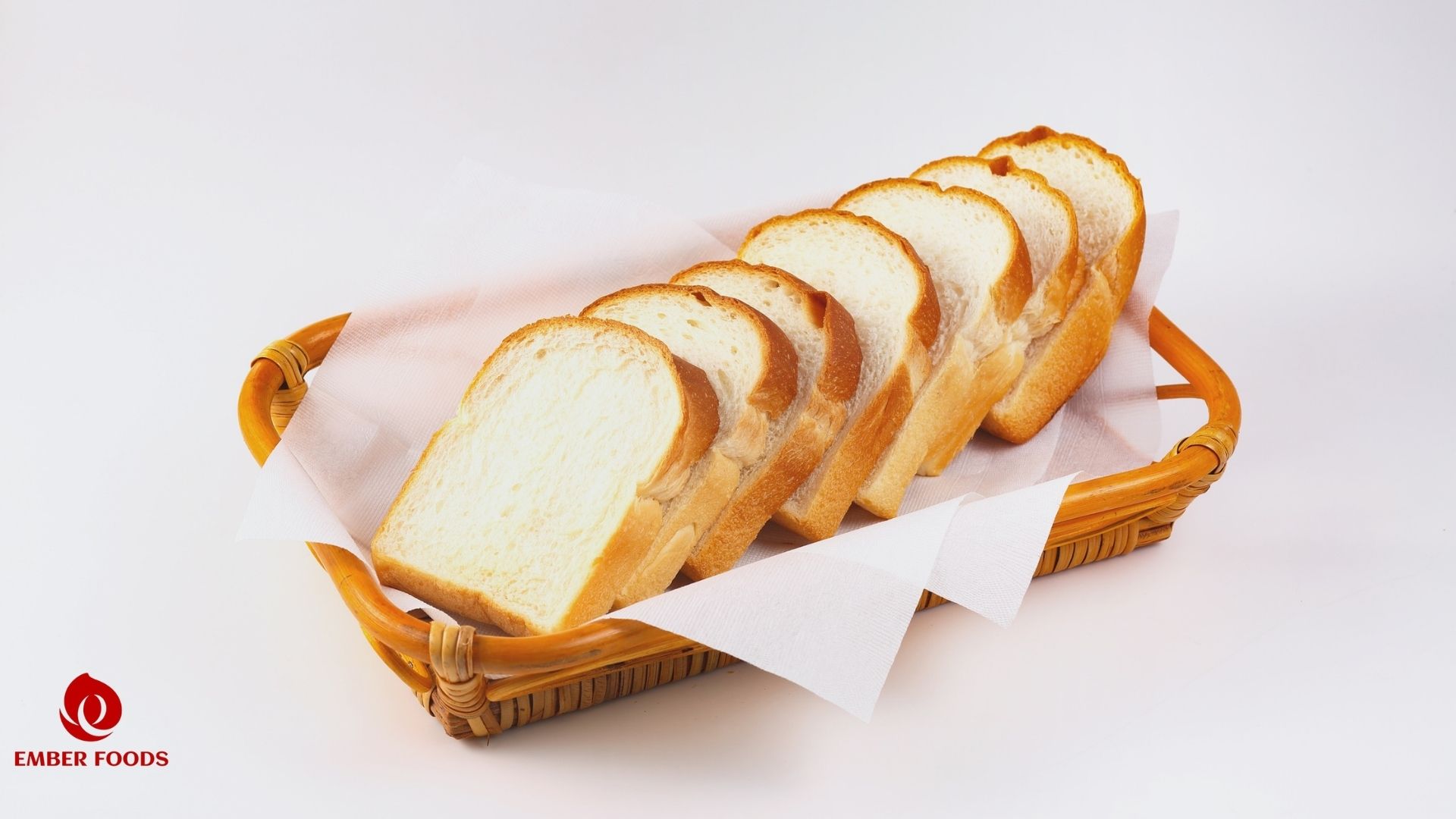
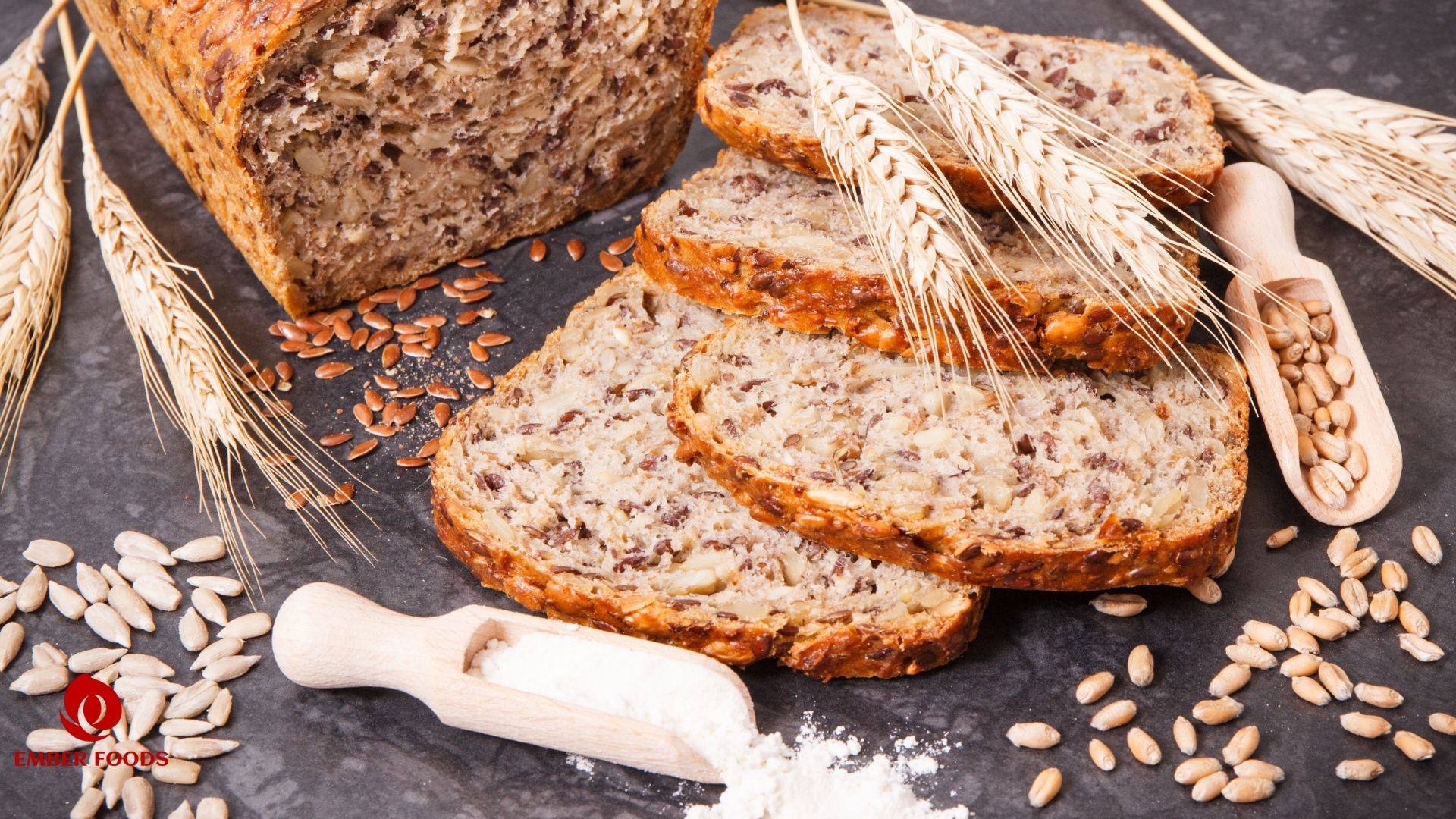
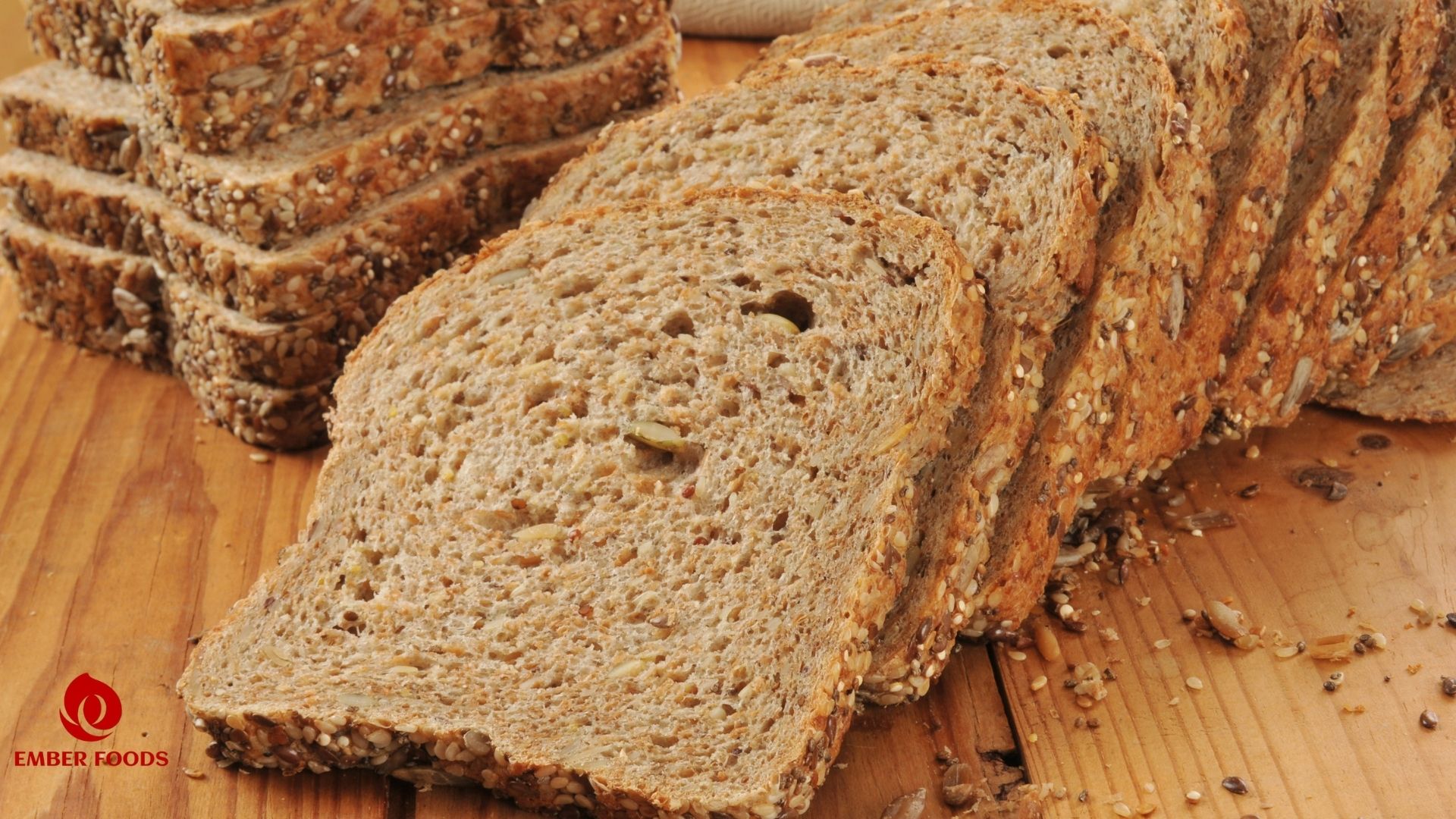
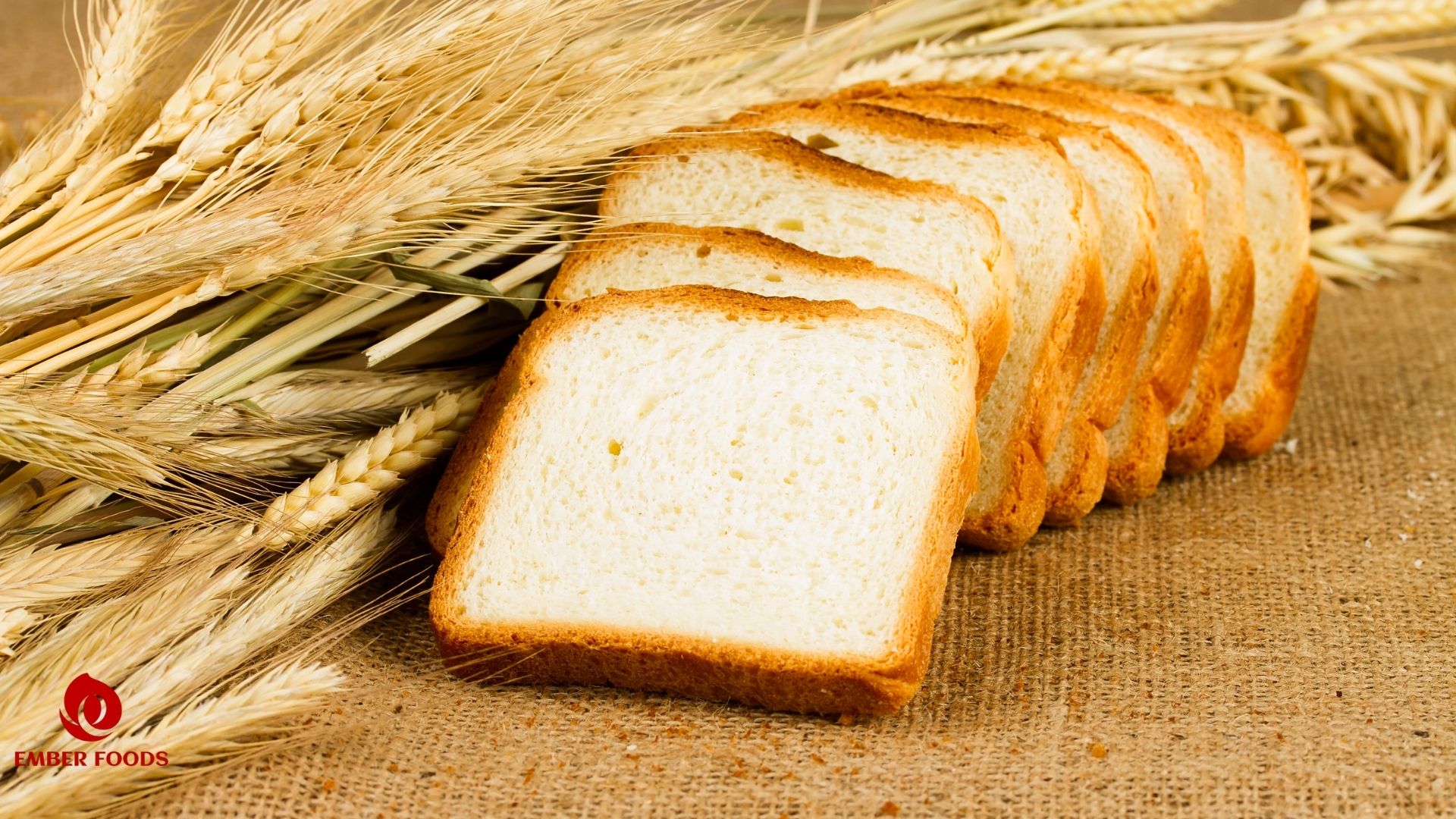
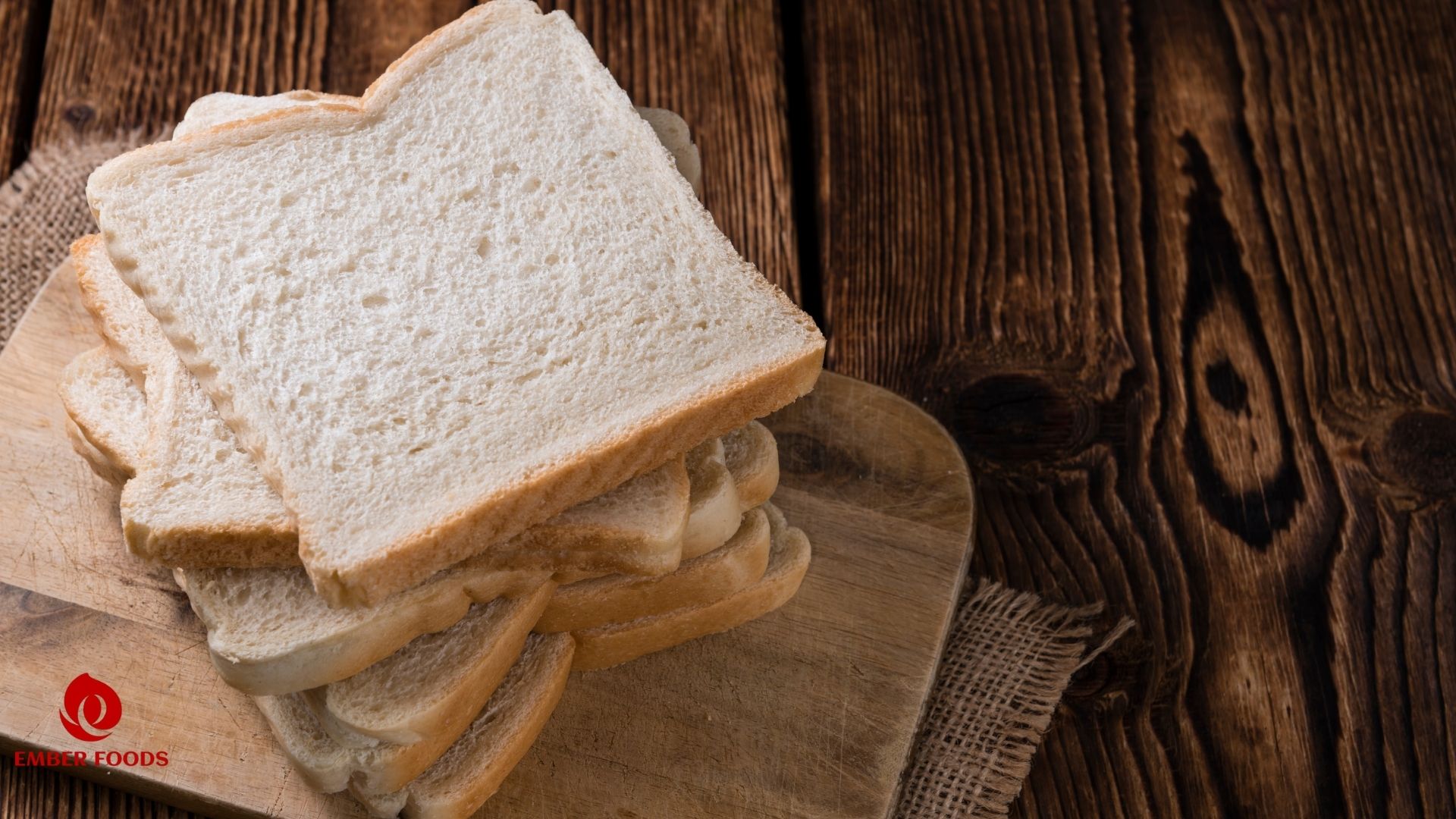
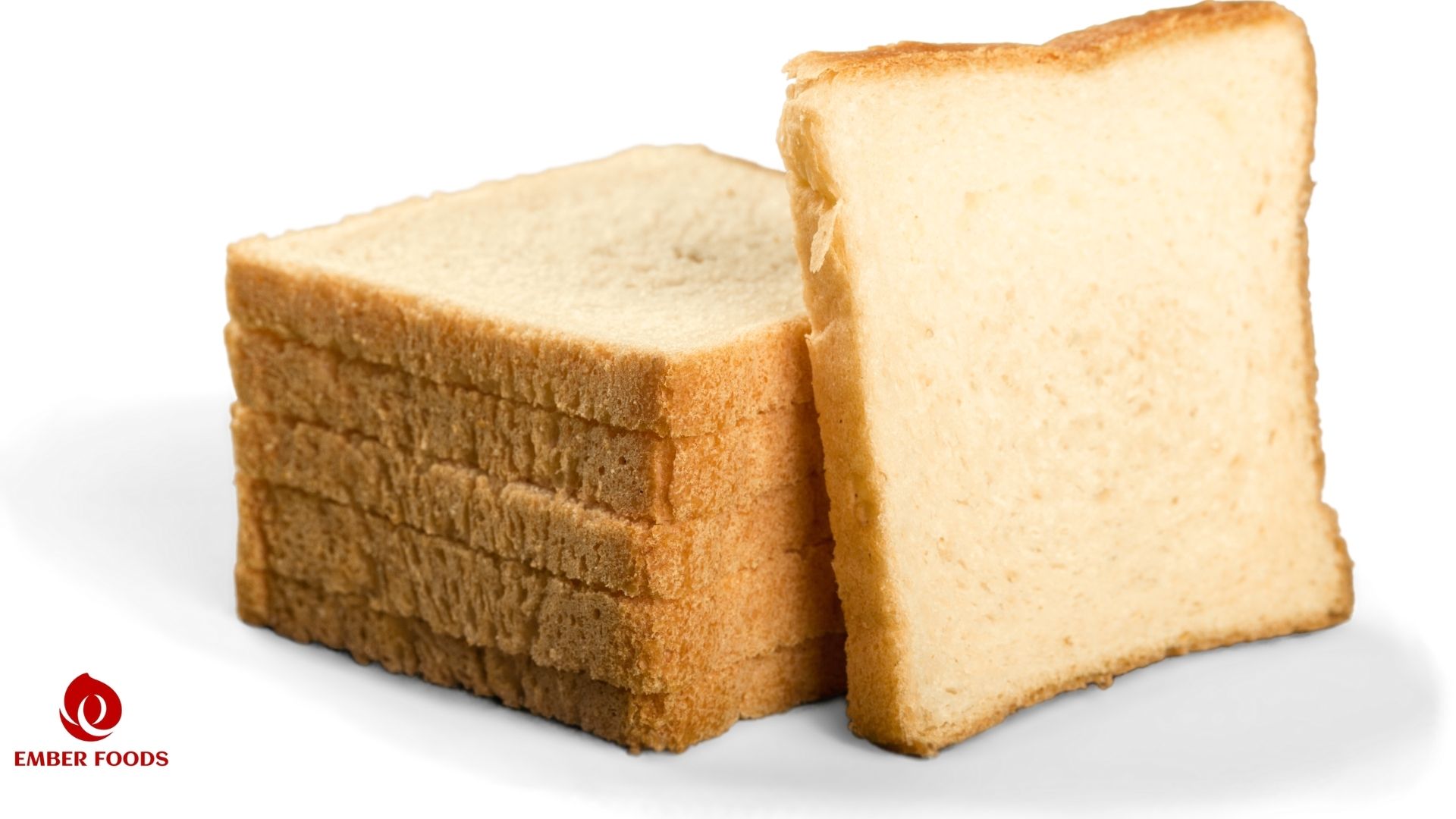
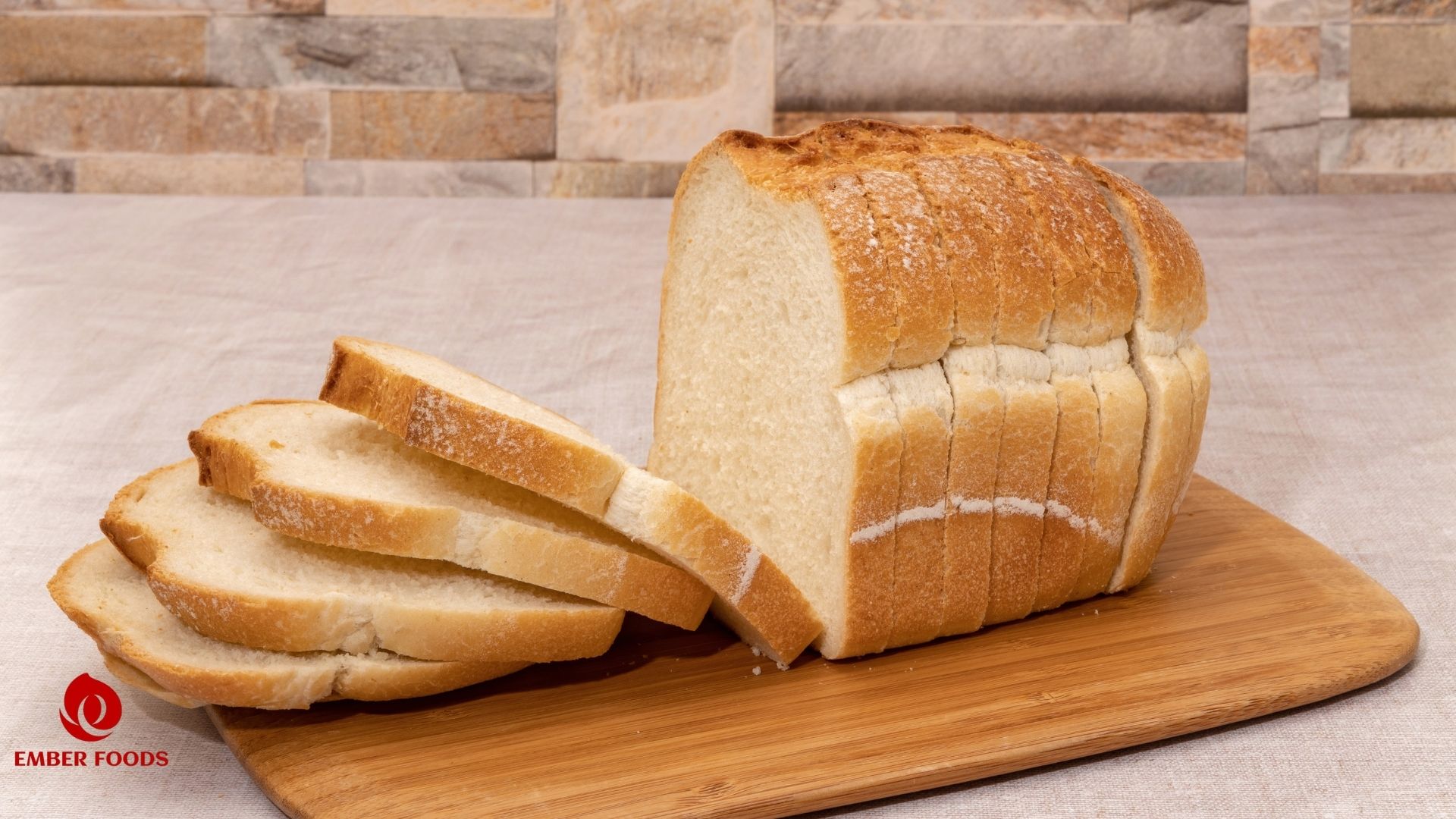
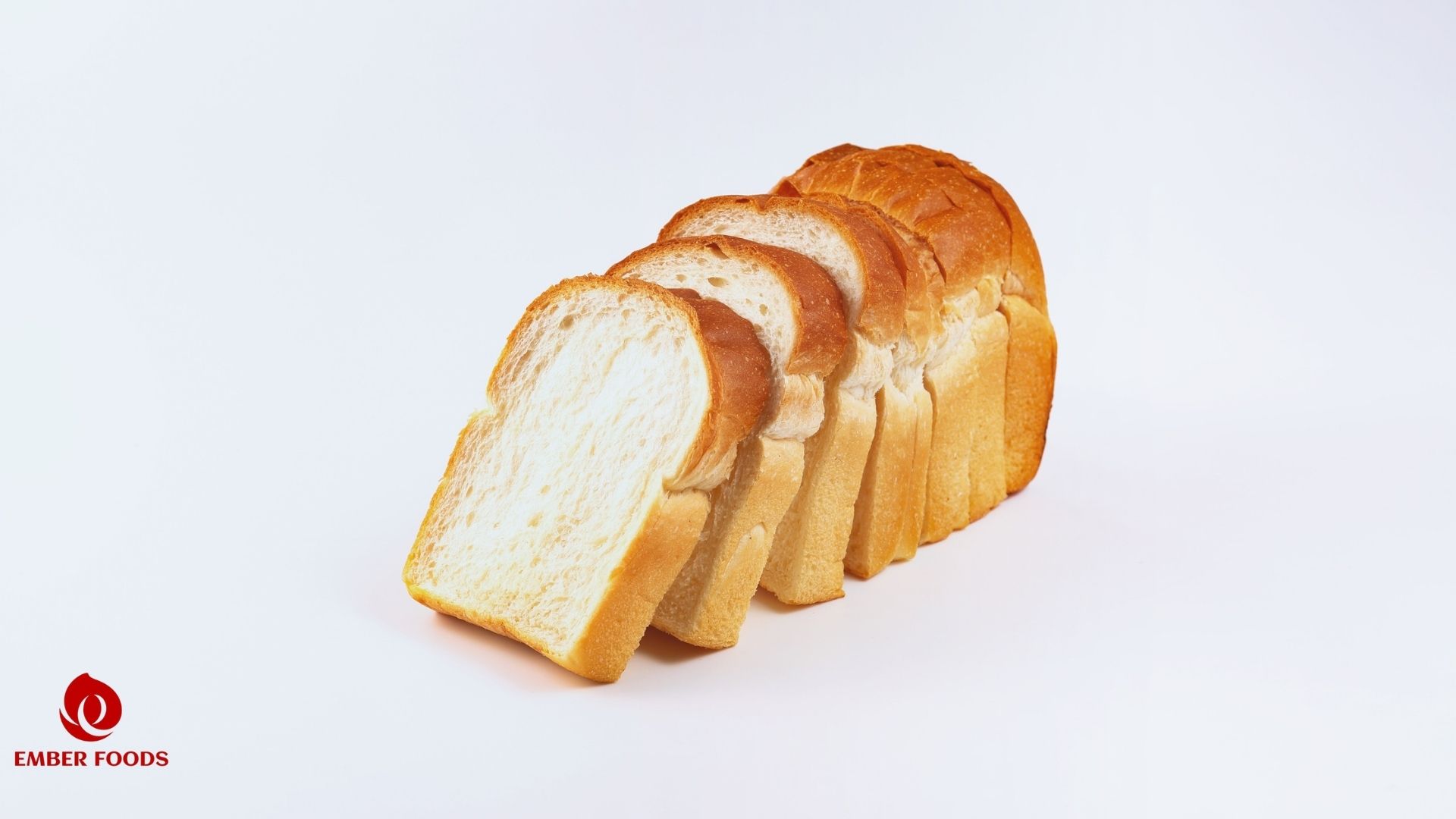
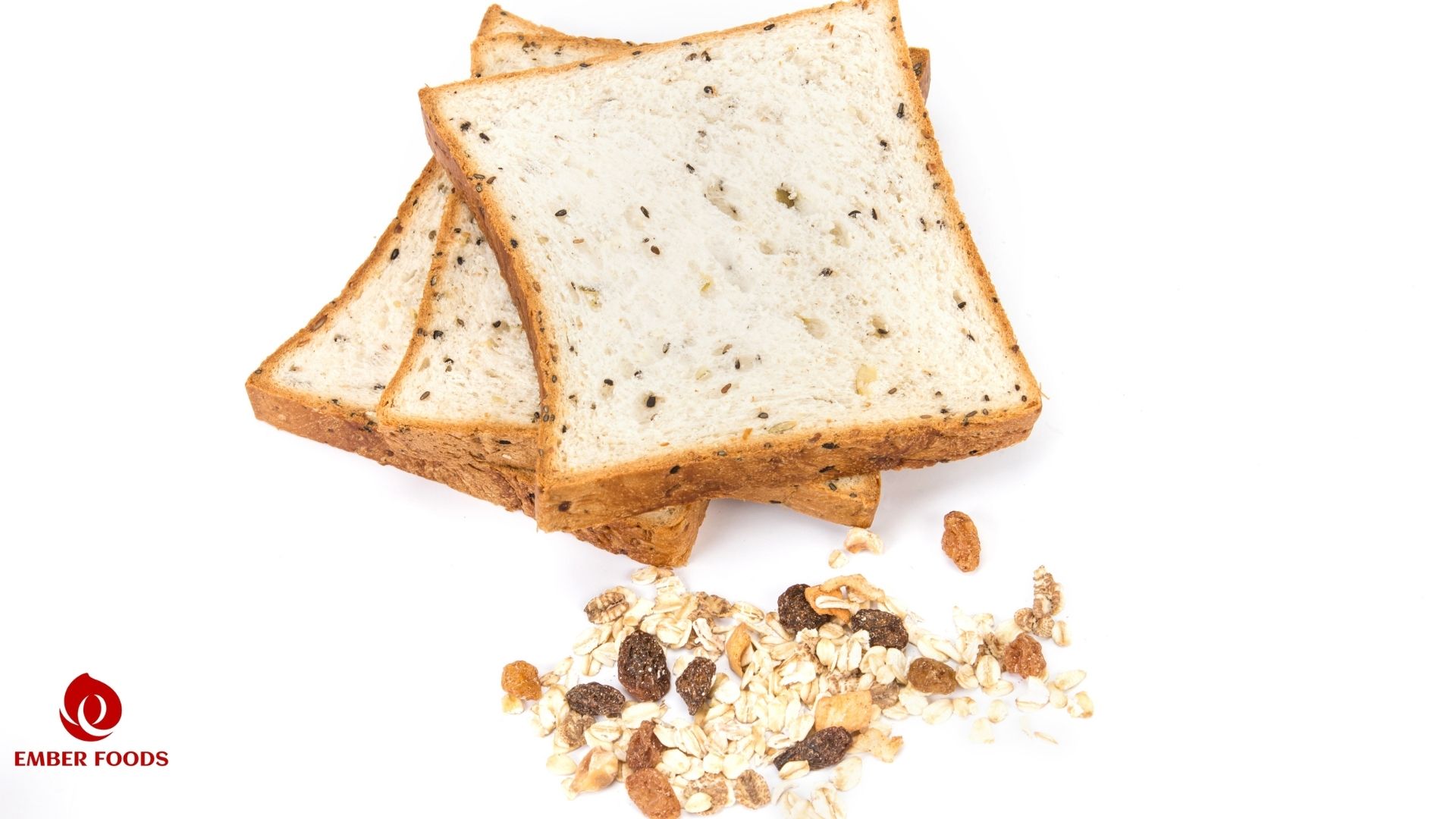
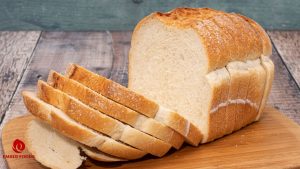
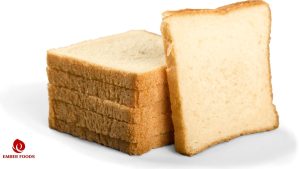
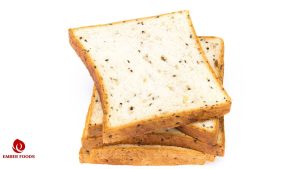
Fresh sandwich bread crust is the outer part of bread made from dough and baked into slices or a loaf, usually with a light yellow or slightly brown surface. Compared with many types of bread that have a thick crust, sandwich bread generally focuses on softness throughout the entire slice. The crust and the crumb have different textures depending on the recipe, making the bread suitable for eating directly or preparing into various dishes.
The Bread Crust and Crumb Create the Characteristic Texture
The crust of sandwich bread is usually thin, soft, or slightly chewy, while the crumb is soft and airy. With sandwich loaves, the slices have a relatively uniform shape, making them convenient for preparing sandwiches, rolls, or toast. The softness and chewiness depend on the ingredients as well as the preparation technique.
Fresh Sandwich Bread Crust Is Suitable for Various Uses
Thanks to its soft and easy-to-shape texture, fresh sandwich bread crust can be used for breakfast, snacks, or as a base for dishes with fillings. The bread can be combined with savory or sweet ingredients or heated to change its flavor and crispness.
What Ingredients Are Used to Make Fresh Sandwich Bread Crust?
The basic ingredients of fresh sandwich bread crust generally include flour, liquid, and yeast. Depending on the recipe, manufacturers may add milk, butter, eggs, or cooking oil to adjust the softness, aroma, and structure of the bread. Some products may use food additives within permitted limits to support the production and preservation processes.
Flour and Yeast Create the Bread Structure
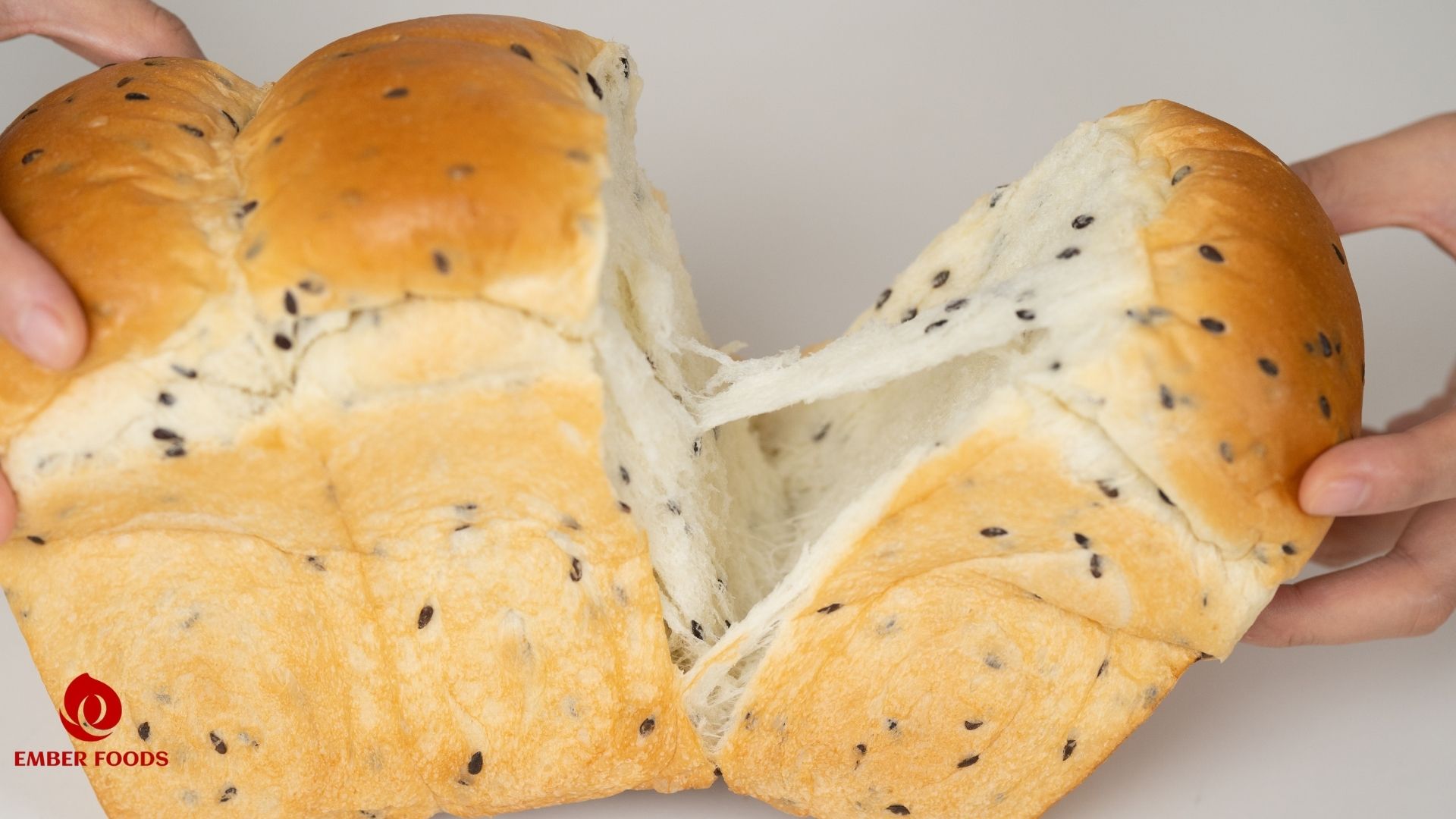
Flour is the main ingredient that forms the structural framework of the bread, while yeast helps the dough develop during fermentation. When kneaded and proofed properly, the dough forms small air pockets, helping the bread become soft and airy.
Milk, Water, and Eggs Adjust the Softness
Water is an essential component for forming the dough, while milk can add flavor and softness. Eggs often help give the bread a more distinctive color and aroma. The proportion of each ingredient affects the texture of the bread after baking.
Butter, Sugar, Salt, and Cooking Oil Complete the Flavor
Butter or cooking oil helps the bread feel softer and less dry. Sugar not only provides mild sweetness but also contributes to browning during baking, while salt helps balance the flavor. The recipe can be adjusted to suit each type of bread.
Why Does Fresh Sandwich Bread Crust Have Its Characteristic Softness and Color?
The softness and color of the bread crust depend not only on the ingredients but also on the entire bread-making process. From kneading and fermentation to baking, each stage affects the structure of the bread and the characteristics of its surface.
Kneading and Fermentation Create Softness
Kneading helps the ingredients combine and form the necessary structure in the dough. The fermentation process then creates gas within the dough, allowing the bread to rise and develop a soft, airy crumb. If the fermentation time or conditions change, the softness and chewiness of the bread may also vary.
Baking Temperature and Moisture Determine the Bread Crust
Baking temperature affects the rate at which the bread crust forms and the dryness of the surface. The moisture content of the dough also affects how soft the bread feels after cooling. Baking for too long can make the bread drier, while suitable conditions help the bread retain the desired texture.
The Maillard Reaction Creates Color and Aroma During Baking
During baking, the Maillard reaction contributes to the golden-brown color and characteristic aroma of the bread surface. The degree of color development depends on the temperature, baking time, and ingredients, particularly substances capable of participating in this reaction.
What Dishes Can Be Made with Fresh Sandwich Bread Crust?
Fresh sandwich bread crust can be combined with various ingredients without requiring complicated preparation. From quick meals to breakfast dishes, simply changing the heating method or filling can create different flavor experiences.
Convenient Sandwiches and Bread Rolls
Sandwiches can be combined with meat, eggs, vegetables, or cheese according to preference. Bread rolls are suitable when a compact, easy-to-hold, and convenient meal is needed. The soft bread allows the ingredients to be rolled without requiring elaborate shaping.
Pan-Toasted and Toasted Bread with a Crisp Aroma
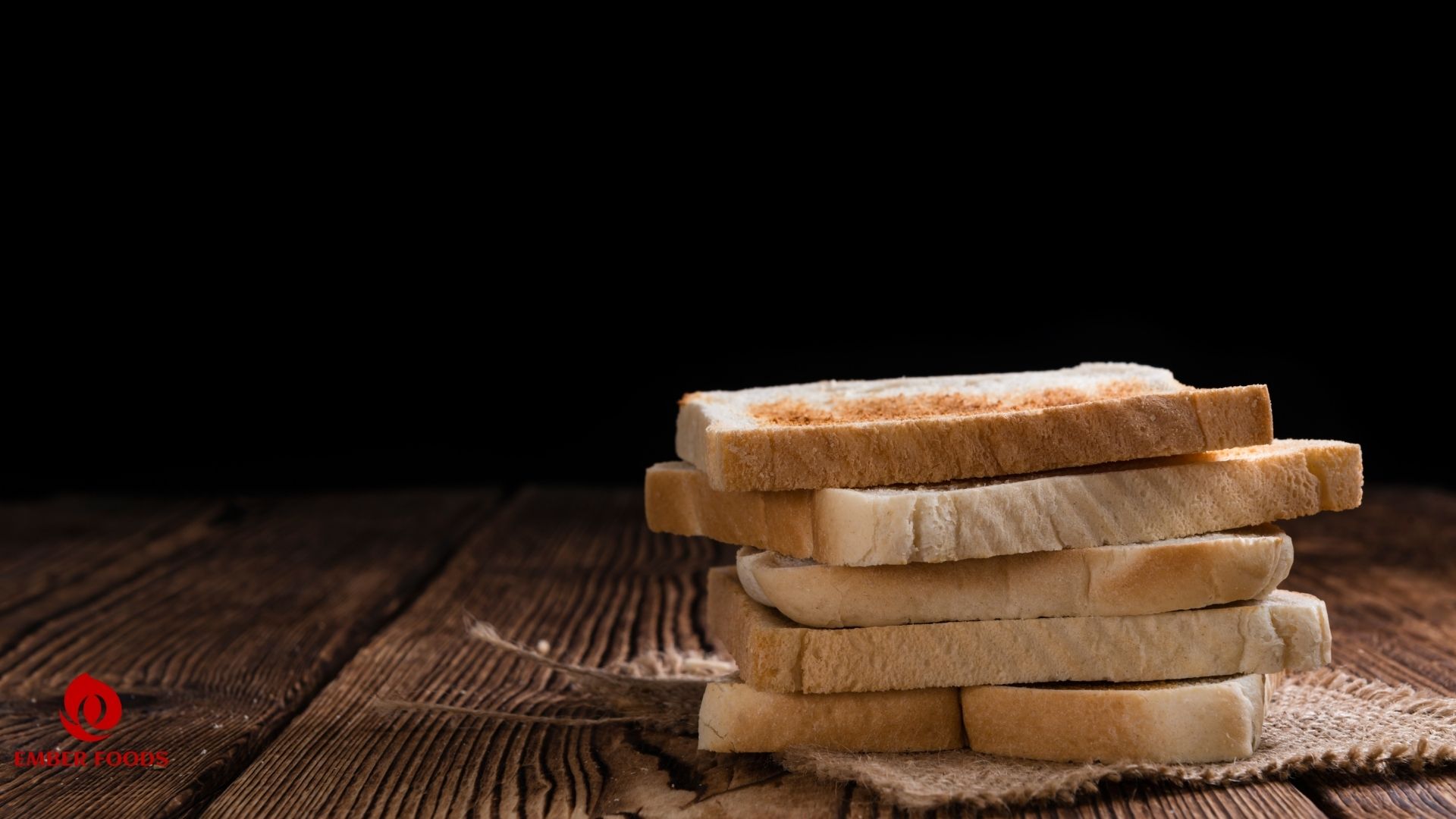
Pan-toasting or baking gives the surface of the bread a crisp texture and more pronounced aroma. Butter, cheese, or various fillings can be added before heating to enhance the flavor. This is a common preparation method for breakfast or a light meal.
Fried Bread, Cheese Bread, and Egg Bread
Fried bread has a different texture due to contact with oil at high temperatures. Cheese bread has a rich and aromatic flavor, while egg bread can become a quick meal providing additional protein. The amount of accompanying ingredients significantly determines the nutritional value of the dish.
How Many Calories Does Fresh Sandwich Bread Crust Have?
The calorie content of fresh sandwich bread crust is not fixed and depends on the recipe, slice size, and additional ingredients. Bread primarily provides energy from carbohydrates, along with varying amounts of protein, fat, and fiber depending on the type of flour and ingredients used.
Carbohydrates and Nutritional Components in the Bread
Carbohydrates are generally the main source of energy in sandwich bread. Protein comes from flour, milk, or eggs, while the fat content varies depending on the amount of butter, cooking oil, and other ingredients. Sugar content also differs between unsweetened bread and varieties containing added sugar.
Appropriate Portions Help Balance Energy Intake
Rather than focusing only on the calories in the bread itself, the serving size and accompanying ingredients should also be considered. A slice of bread served with vegetables, eggs, or an appropriate protein source can create a more balanced meal. When prepared with large amounts of oil, butter, or cheese, the total energy content of the meal can increase significantly.
Article Summary
Fresh sandwich bread crust is the soft outer part of bread, with a thin crust and airy crumb, commonly used to prepare a variety of convenient dishes. Flour, yeast, water, milk, butter, and other ingredients all determine the structure and flavor of the bread. The processes of kneading, fermentation, and baking directly affect the softness, chewiness, and characteristic color of the crust. The bread can be used to make sandwiches, rolls, pan-toasted bread, toast, or combined with eggs and cheese. The calorie content depends on the type of bread and serving size, so accompanying ingredients should also be considered to maintain an appropriate diet.
Frequently Asked Questions
Can fresh sandwich bread crust be eaten?
Fresh sandwich bread crust can be eaten and contains nutritional components similar to those in the crumb. The crust forms during baking, so it is usually darker in color and slightly chewier or firmer. Some types of sandwich bread have a very soft crust, making the difference between the crust and crumb less noticeable. Depending on preference, the crust can be kept or removed before use.
Why is sandwich bread crust usually darker than the crumb?
The crust is directly exposed to higher temperatures during baking, resulting in various chemical changes that create color and aroma. Among these, reactions between sugars and proteins on the surface contribute to the characteristic golden or brown color. The crumb contains more moisture, so its internal temperature is lower and it does not develop the same dark color. Therefore, the difference in color between the crust and crumb is normal.
Is fresh sandwich bread crust high in calories?
The calorie content of sandwich bread crust is not substantially different in nature from that of the crumb when comparing the same weight. The energy value mainly comes from flour, sugar, fat, and other ingredients in the recipe. The actual calorie content depends on the type of bread and ingredient proportions. If eating the entire slice, the total energy should be calculated based on the whole slice rather than the crust alone.