Tiếng Việt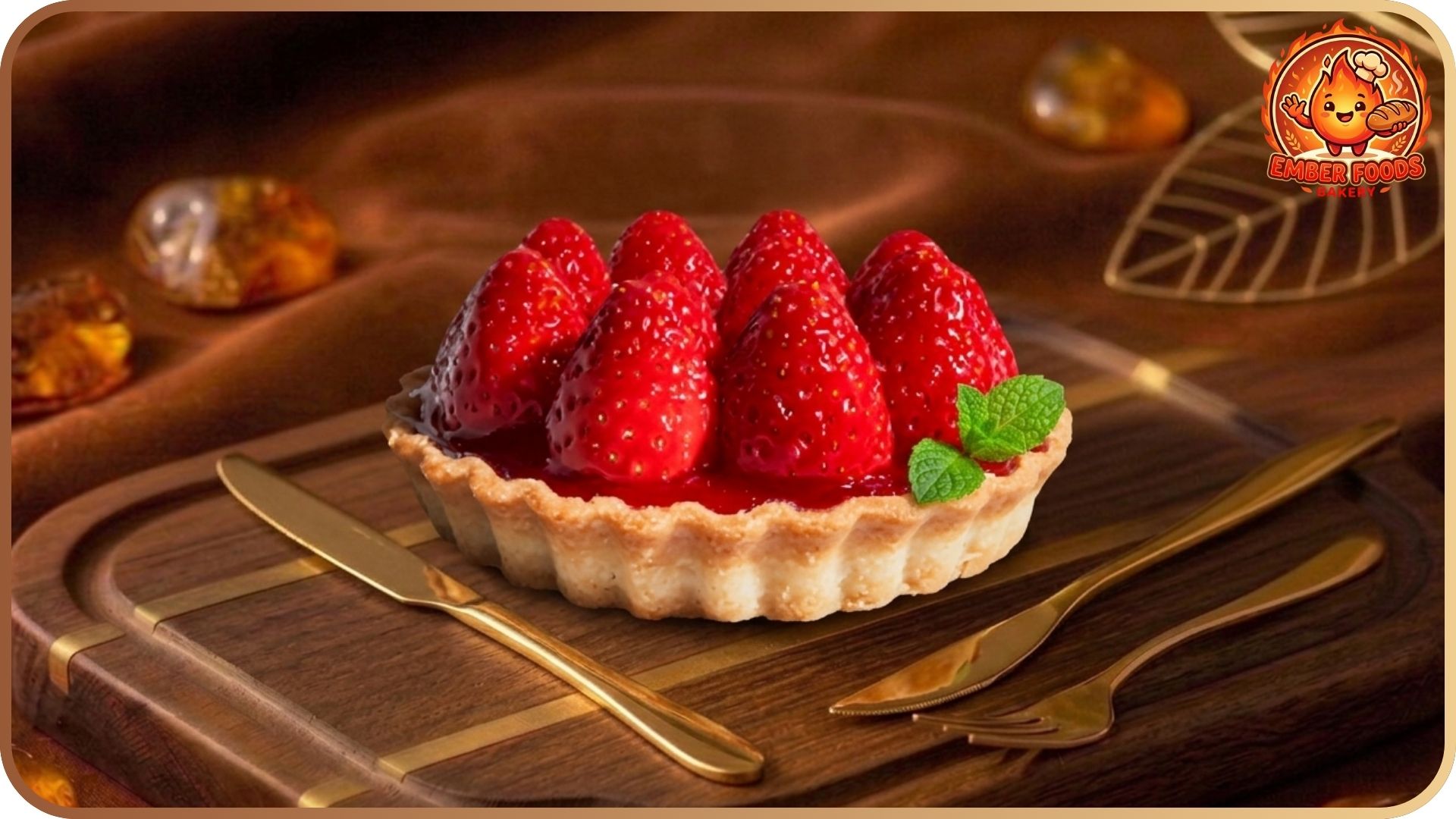


What Makes Tart Special and Why Does It Have a Crispy Crust?
Tart is a type of pastry characterized by a base formed in a mold, usually with a crisp or crisp-crumbly texture, combined with a variety of fillings. The crust is typically made from flour and butter, with butter contributing to its aroma and crisp texture after baking. Depending on the recipe, Tart can be a sweet pastry with fruit, cream, or chocolate, or a savory pastry with eggs, cheese, meat, or vegetables.
The crispness of the crust depends on the ratio of flour, fat, and water, as well as the mixing, rolling, and baking methods. Butter helps limit excessive bonding between the structural components in the dough while also providing its characteristic aroma. During baking, the water in the dough and butter evaporates, causing the pastry structure to become drier and crispier. The thickness of the crust also significantly affects the eating experience.
The Tart base not only supports the filling but also creates a contrast in texture. A crisp crust combined with a soft filling such as custard, cheese, or fruit gives the pastry multiple layers of sensation when eaten. In savory Tart, the base often serves as a foundation that balances a more intensely flavored filling.
What Ingredients Are Used to Make Tart?
The basic ingredients of Tart usually include flour, butter, sugar, and eggs. Some recipes also contain milk, cream, salt, or almond flour to adjust the flavor and texture. Flour provides structure, butter creates richness and aroma, while sugar determines the level of sweetness. Other ingredients are selected according to the type of crust and filling.
Flour is the main ingredient that creates the structure of the crust. Butter makes the pastry aromatic, rich, and crisp-crumbly after baking. Sugar not only provides sweetness but also contributes to the color and surface texture. For some types of Tart, almond flour is added to enhance the aroma and nutty flavor.
Eggs, milk, and cream are commonly used in fillings that require a soft, smooth texture, such as custard or egg-and-milk fillings. A small amount of salt is used to balance the flavor. For savory Tart, the filling ingredients can vary considerably depending on the recipe and do not necessarily contain sugar.
What Are the Most Common Tart Fillings?
Tart fillings are highly diverse, ranging from fresh fruit, jam, and custard to chocolate, cheese, and various nuts. Each group creates differences in softness, richness, and sweetness. Fruit fillings typically provide sweet and tangy flavors with natural aromas, while custard, chocolate, or cheese create a more pronounced richness. Savory Tart, meanwhile, uses fillings such as eggs, cheese, vegetables, or meat.
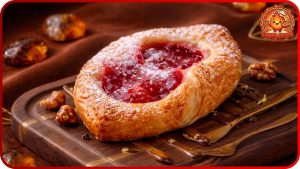
Commonly used fruits include apples, strawberries, and lemons. Apples can be cooked with sugar and spices to create a soft, aromatic filling; strawberries provide a sweet and tangy flavor with a vibrant color; lemons are often used in fillings with a pronounced tanginess and distinctive aroma. Fruit also helps balance the richness of the crust and cream.
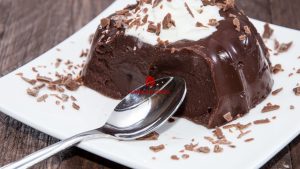
Custard and egg-and-milk fillings usually have a soft, smooth texture with moderate richness. Chocolate provides a deep, aromatic flavor and pairs well with a crisp pastry base. Meanwhile, cheese offers richness and can be used in both sweet and savory Tart. Nuts may also be added to provide crunch and a nutty flavor.
What Are the Most Common Types of Tart?
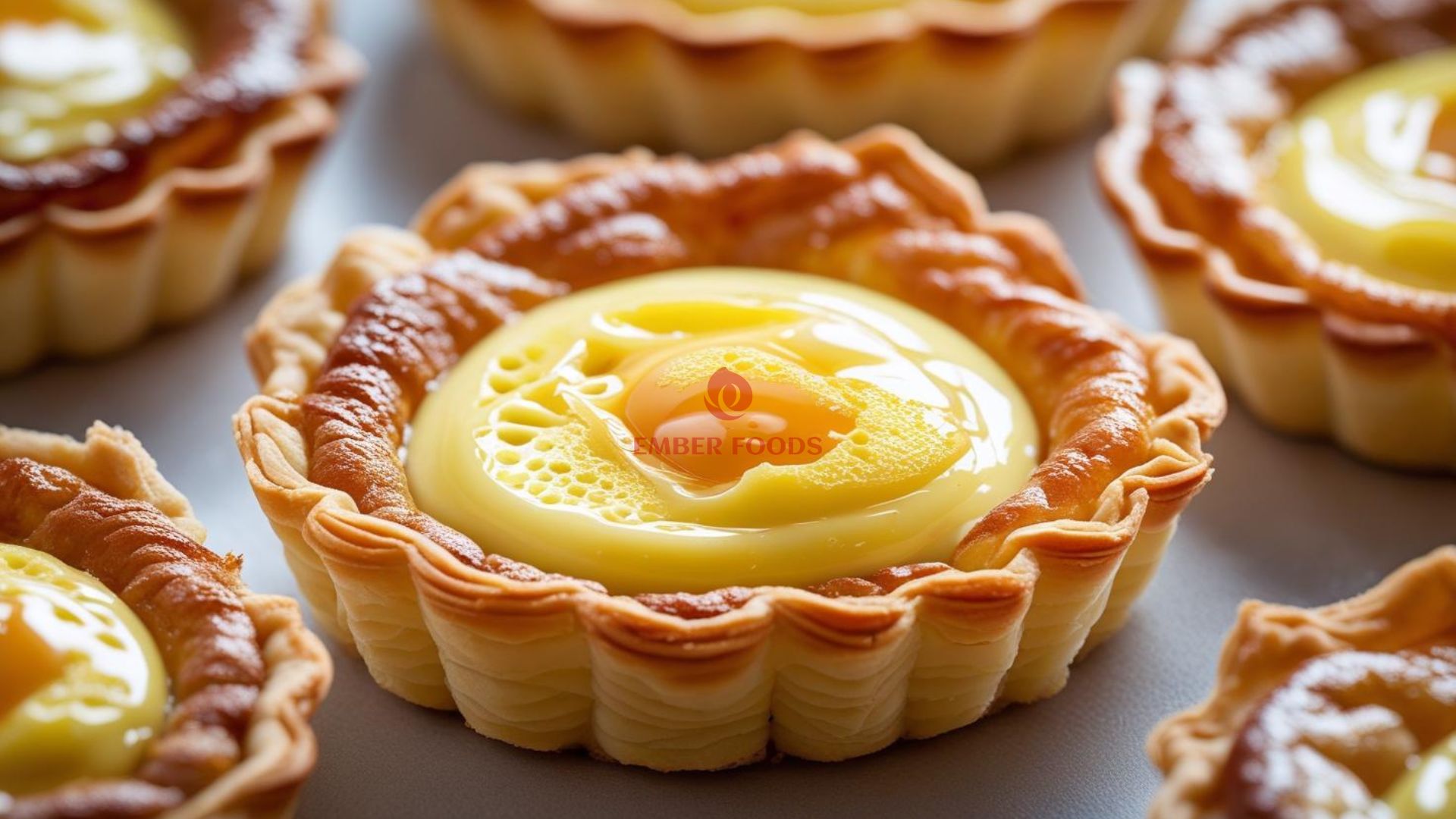
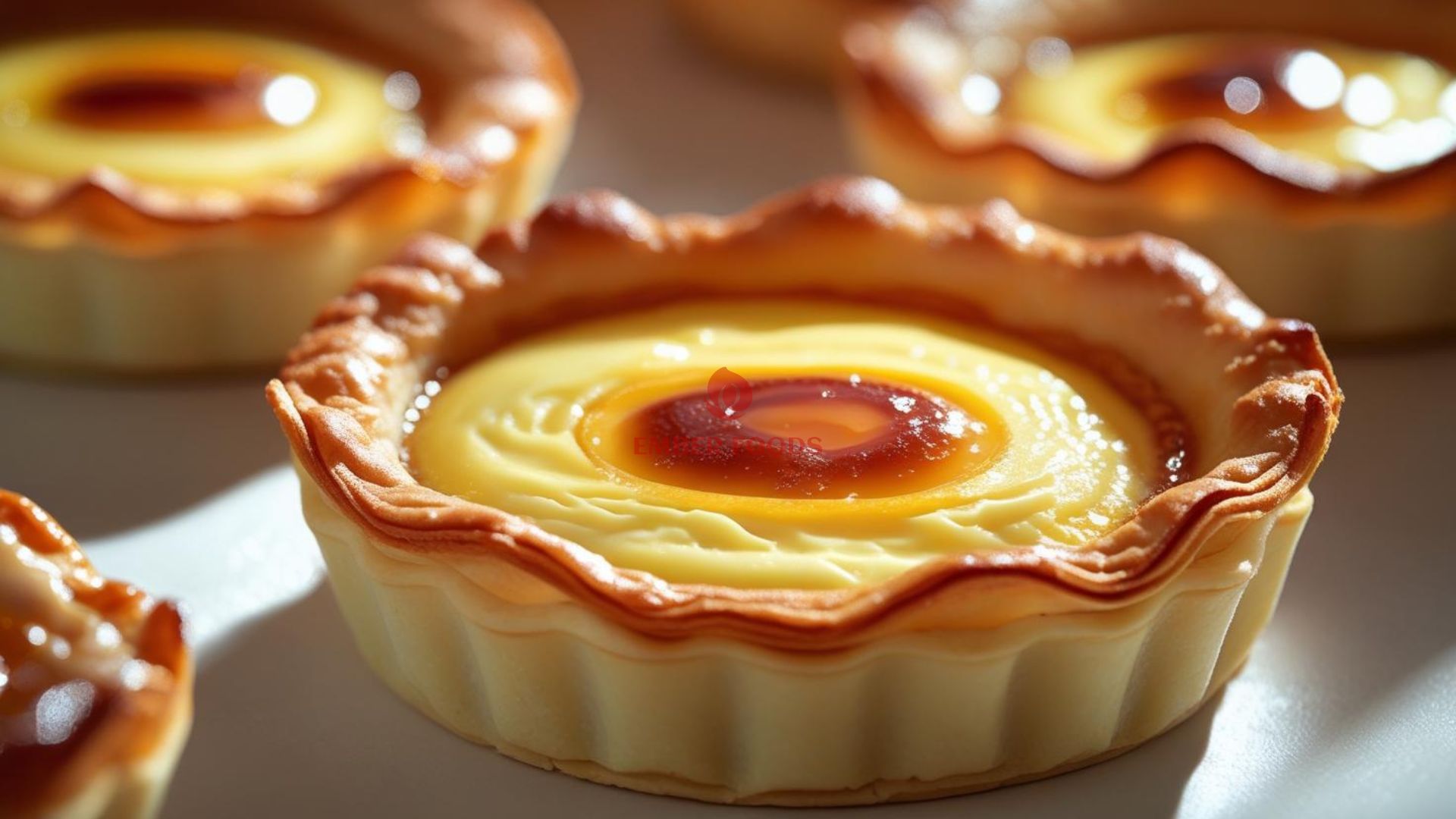
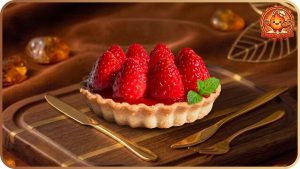
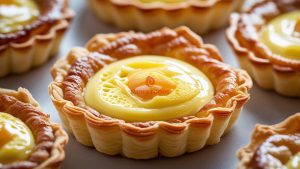
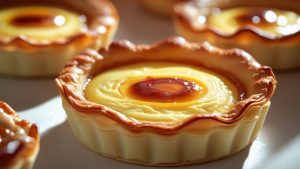
Based on the filling and preparation method, many types of Tart can be found. Fruit Tart typically combines a pastry base with cream and fruit; Egg Tart is characterized by a soft, smooth egg-and-milk filling; Chocolate Tart has a richer and more intense flavor. Other varieties include Lemon Tart, Cheese Tart, Apple Tart, and Savory Tart with fillings such as eggs, cheese, vegetables, or protein-rich ingredients.
Fruit Tart typically combines a crisp pastry base with fresh or prepared fruit. Lemon Tart focuses on a tangy, aromatic flavor and often uses a lemon filling combined with sugar and eggs. Apple Tart has a mild sweetness, the aroma of baked apples, and usually a softer filling texture.
Egg Tart has a soft, rich filling with the aroma of eggs and milk. Chocolate Tart is suitable for those who enjoy an intense cocoa flavor and usually has a denser filling. Cheese Tart can range from rich and mildly savory to sweet depending on the recipe. All of these types create a clear contrast between the soft filling and crisp pastry base.
Savory Tart does not focus on sweetness and can use eggs, cheese, meat, vegetables, or mushrooms as fillings. The crust still provides a crisp texture, while the filling offers a richer flavor and more protein. This is why Tart is not only considered a dessert pastry but can also appear as a light meal or snack.
How Many Calories Does Tart Have and How Should It Be Eaten?
The calorie content of Tart depends on its size, type of crust, amount of butter, sugar, and filling ingredients. Varieties containing more cream, chocolate, cheese, or sugar generally provide more energy than those using fruit and lighter fillings. In terms of nutrition, the pastry mainly provides carbohydrates from flour and sugar, fat from butter, cream, or cheese, along with some protein from eggs, milk, and filling ingredients.
Serving Size Determines Energy Intake
Rather than focusing only on a fixed calorie number, the size of the pastry and total daily portion should be considered. Tart can be enjoyed as a snack in a moderate portion, especially when the rest of the meal already contains foods high in sugar and fat. If energy intake needs to be controlled, varieties with less cream, less sugar, or more fruit can be prioritized.
Article Summary
Tart is characterized by a baked crisp pastry base, usually made from flour and butter, combined with a wide range of fillings. Common fillings include fruit, custard, chocolate, cheese, egg-and-milk mixtures, and nuts; savory Tart can also contain meat or vegetables. Each type of filling creates differences in flavor, richness, and texture. The calorie content varies according to the recipe and serving size. When eating Tart, it is advisable to balance the pastry with the total energy and nutritional intake of the day.
Frequently Asked Questions
How is Tart different from Pie?
Tart and Pie can both use a pastry base and filling, but their shape and structure are generally different. Tart usually has a lower base, clearly defined sides, and an exposed filling on the surface. Pie generally has taller sides, and some varieties also have a pastry layer covering the top. The recipe, crust thickness, and decoration also contribute to the differences between the two types of pastry.
What are the most common Tart fillings?
Tart can be combined with many different fillings depending on the recipe. Common sweet options include custard, fruit, chocolate, lemon, cheese, or nuts. There are also savory Tarts with fillings such as eggs, meat, vegetables, or cheese. The filling determines the main flavor and can create a contrast between the crisp pastry base and soft filling.
Is Tart high in calories?
The calorie content of Tart depends on the crust, type of filling, and amount of butter, sugar, or cream used. The crust usually contains flour and butter, while cream, chocolate, cheese, or sugar in the filling can significantly increase the energy content. Fruit Tart does not necessarily mean low in calories because the crust and cream layer can still contain substantial amounts of fat and sugar. Portion size is an important factor when enjoying Tart.