Tiếng Việt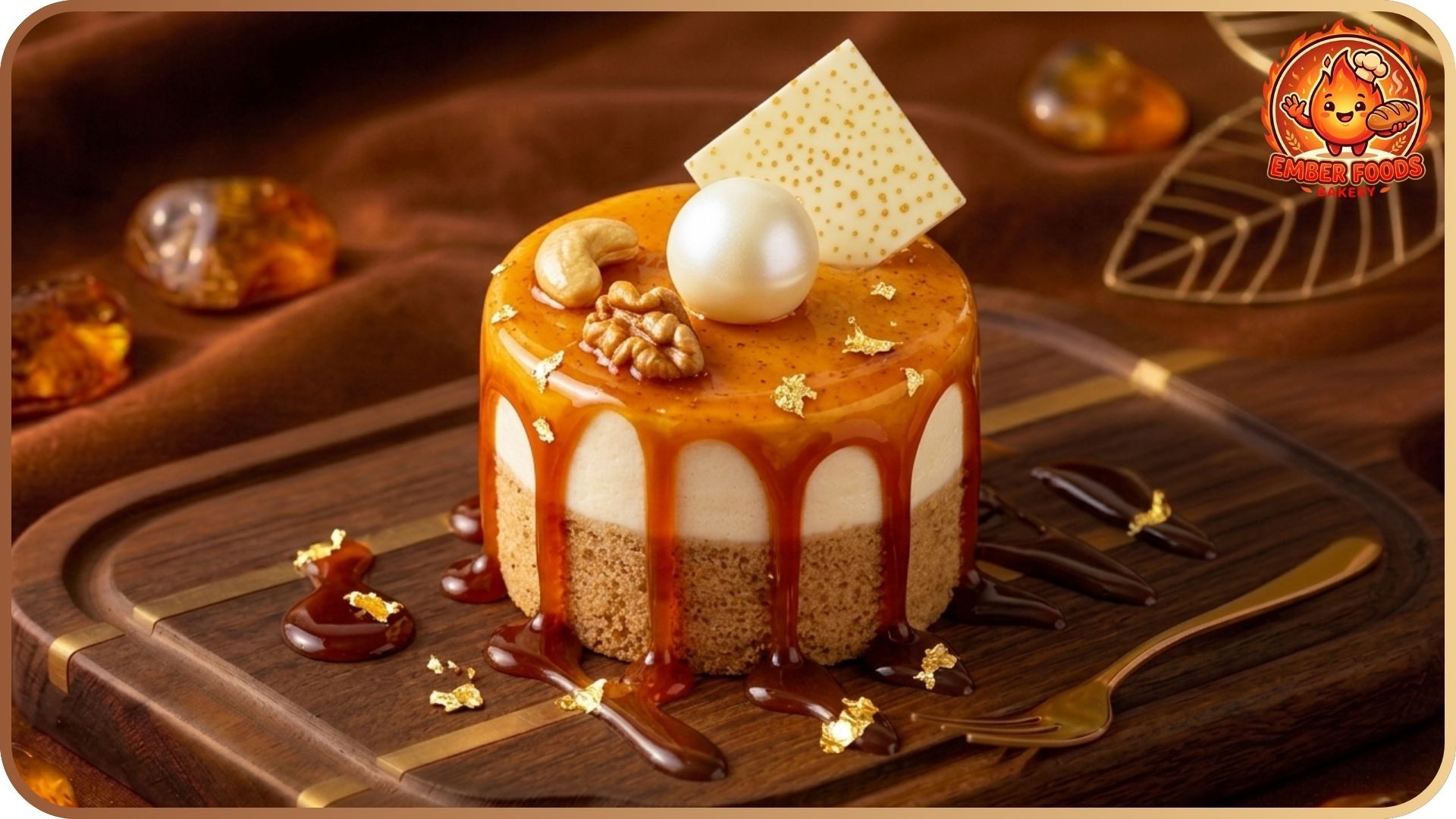





























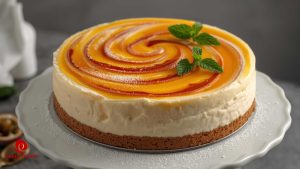
What Makes Mousse Cake Special and Why Does It Have a Smooth Texture?
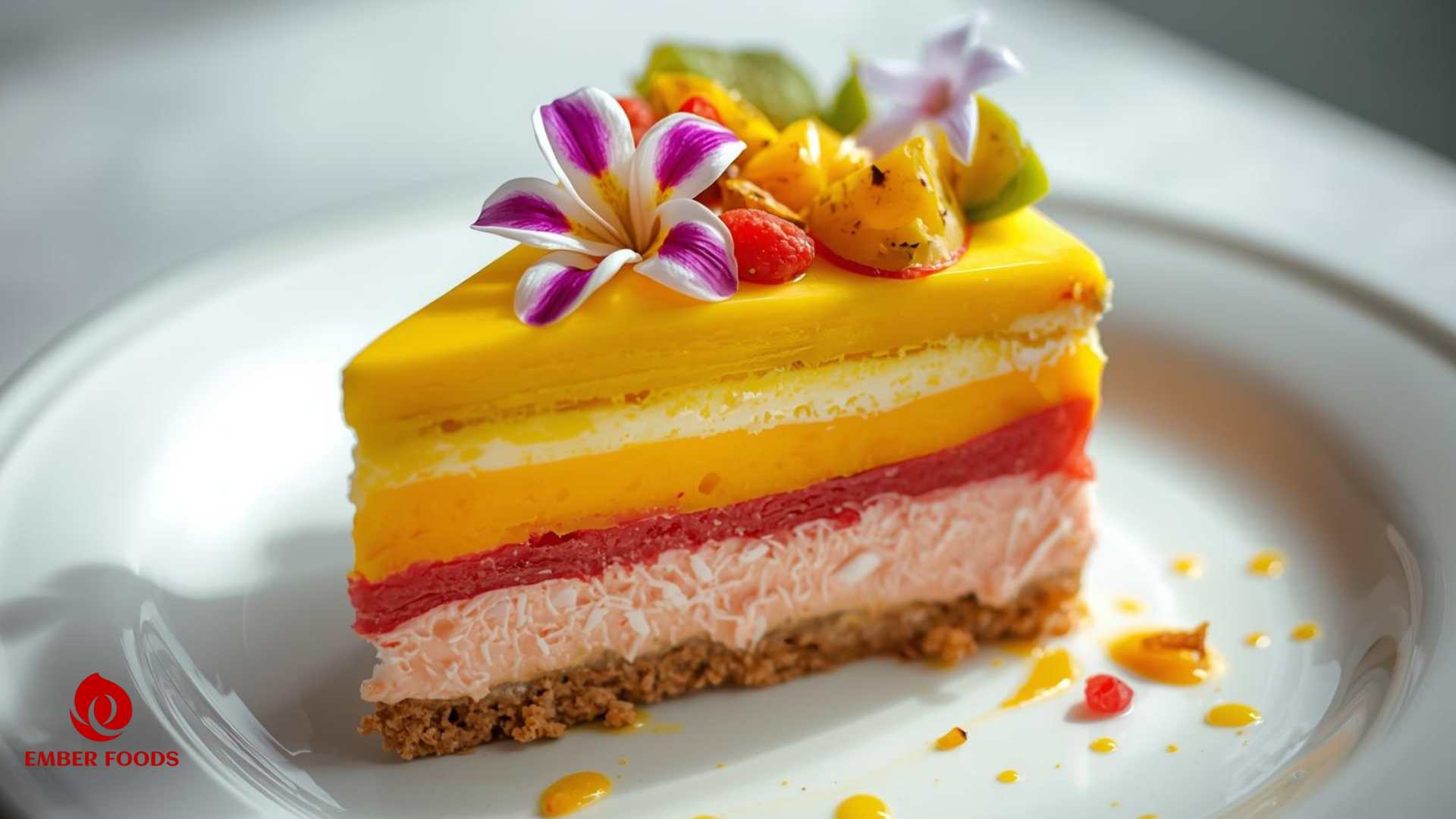
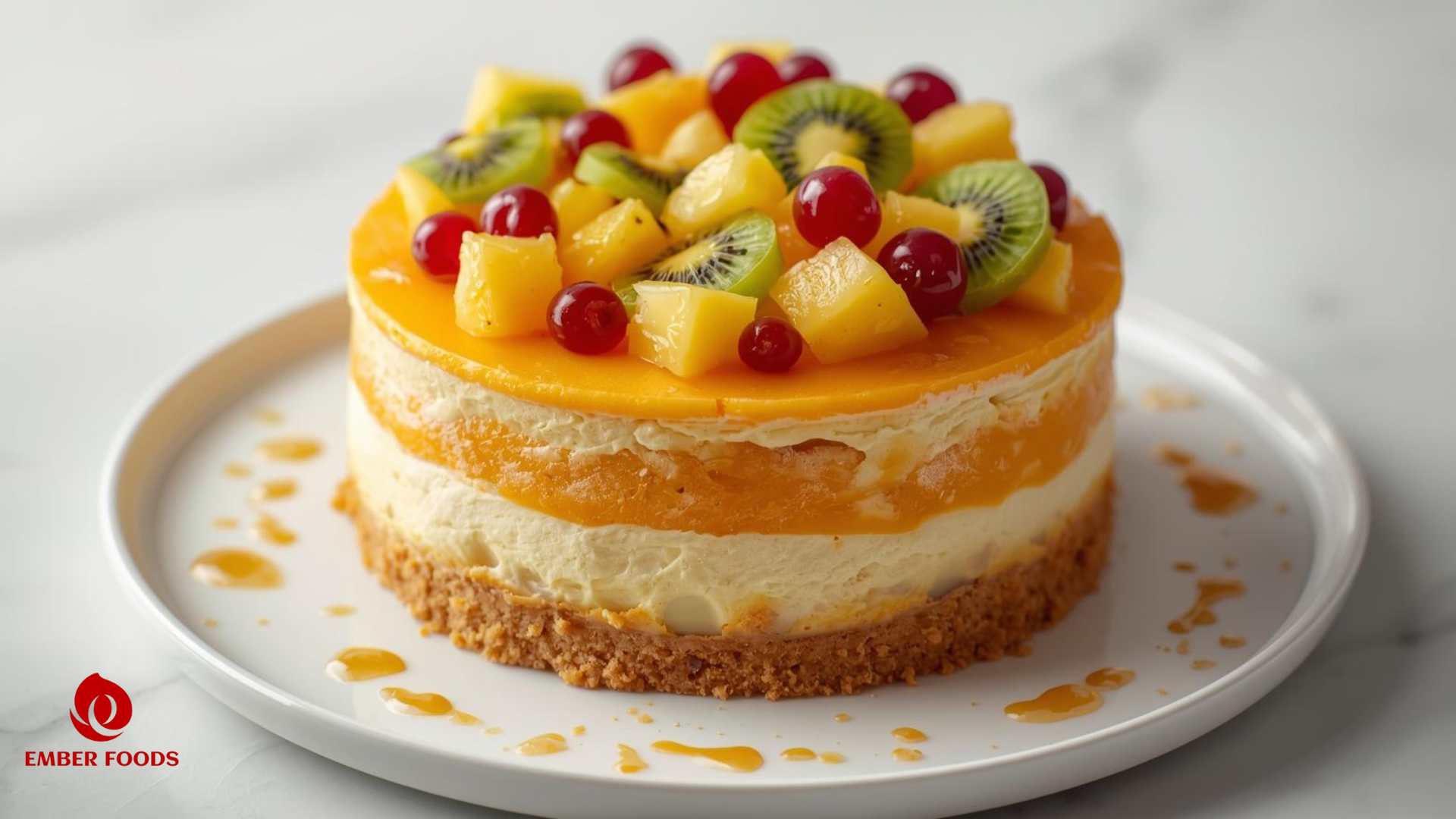
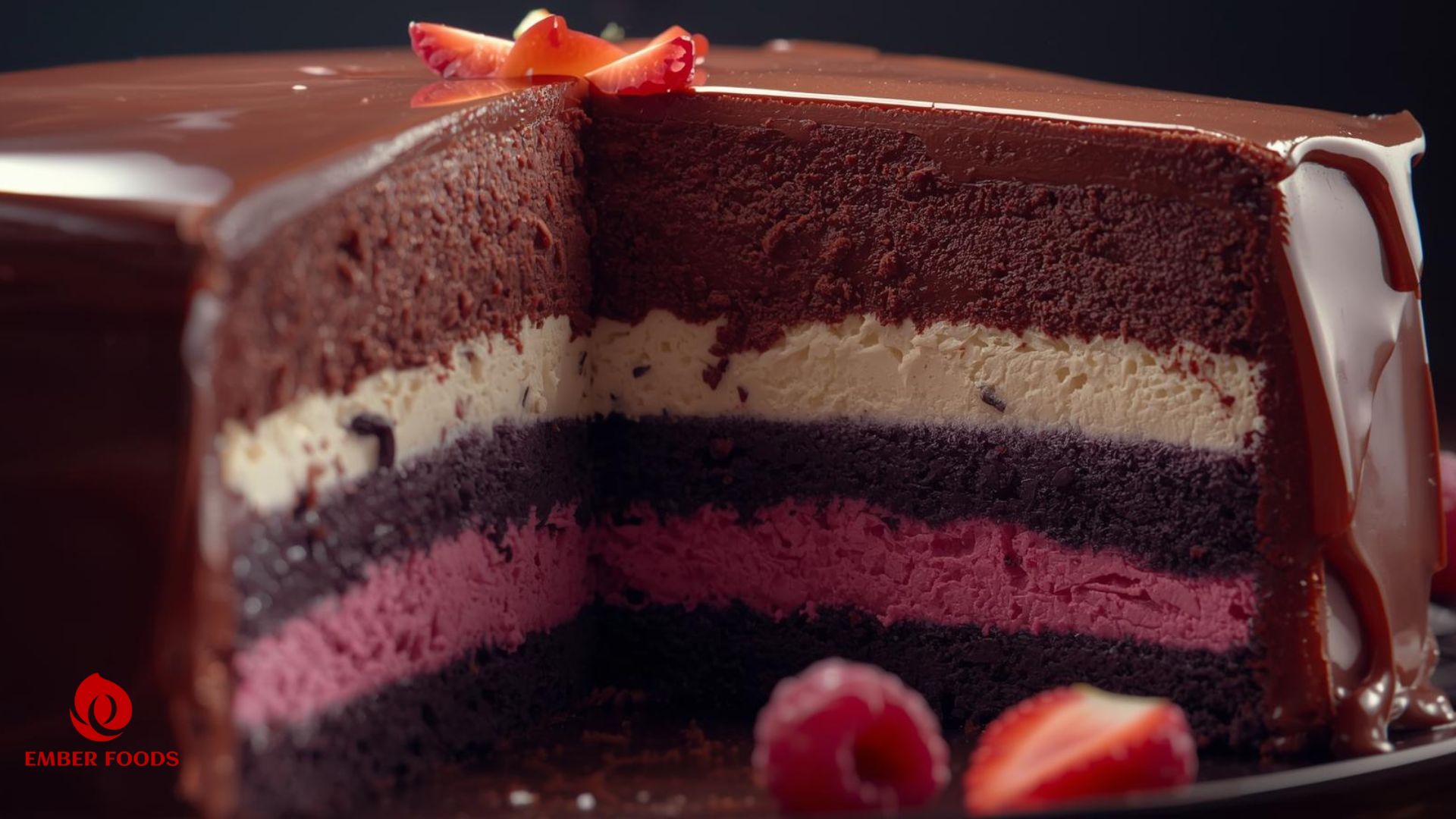
Mousse cake is a type of dessert known for its soft, smooth, light cream texture that melts easily in the mouth. Unlike cakes with dense structures or multiple layers of dough, Mousse primarily creates its characteristic texture through milk cream or a cream mixture combined with flavors such as chocolate, fruit, or cheese. Some versions also include a thin cake layer underneath to create a balance between the softness of the cream and the firmness of the cake base.
Milk Cream and Cake Layers Create the Distinctive Structure
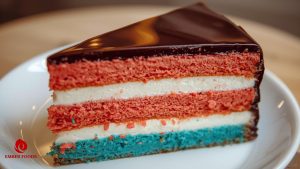
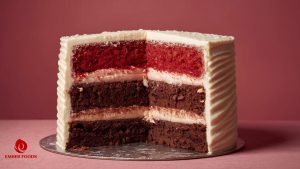
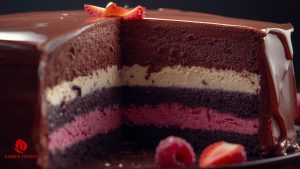
The cream layer usually accounts for most of the cake’s volume and determines the smooth, soft sensation when eaten. Depending on the recipe, the cake may combine sponge cake, cocoa cake, or a thin base to provide support.
The richness mainly comes from milk cream, cream cheese, or chocolate, while fruit and flavoring ingredients help balance the overall taste.
What Ingredients Are Used to Make Mousse Cake?
The ingredients in Mousse cake vary by recipe, but generally revolve around components that provide richness, sweetness, flavor, and structural stability. Milk cream and gelatin often play important roles in many recipes, alongside flavoring ingredients such as chocolate or fruit.
Milk Cream, Gelatin, and Flavoring Ingredients
Milk cream provides richness and serves as an important base for creating a light texture. Gelatin is used in some recipes to help the mixture maintain its shape after chilling.
Sugar provides sweetness, while eggs or milk may be used depending on the preparation method. Cream cheese creates a distinctive rich flavor; chocolate, cocoa powder, and fruit provide most of the flavor in each version.
Sponge Cake and Cocoa Powder in the Base
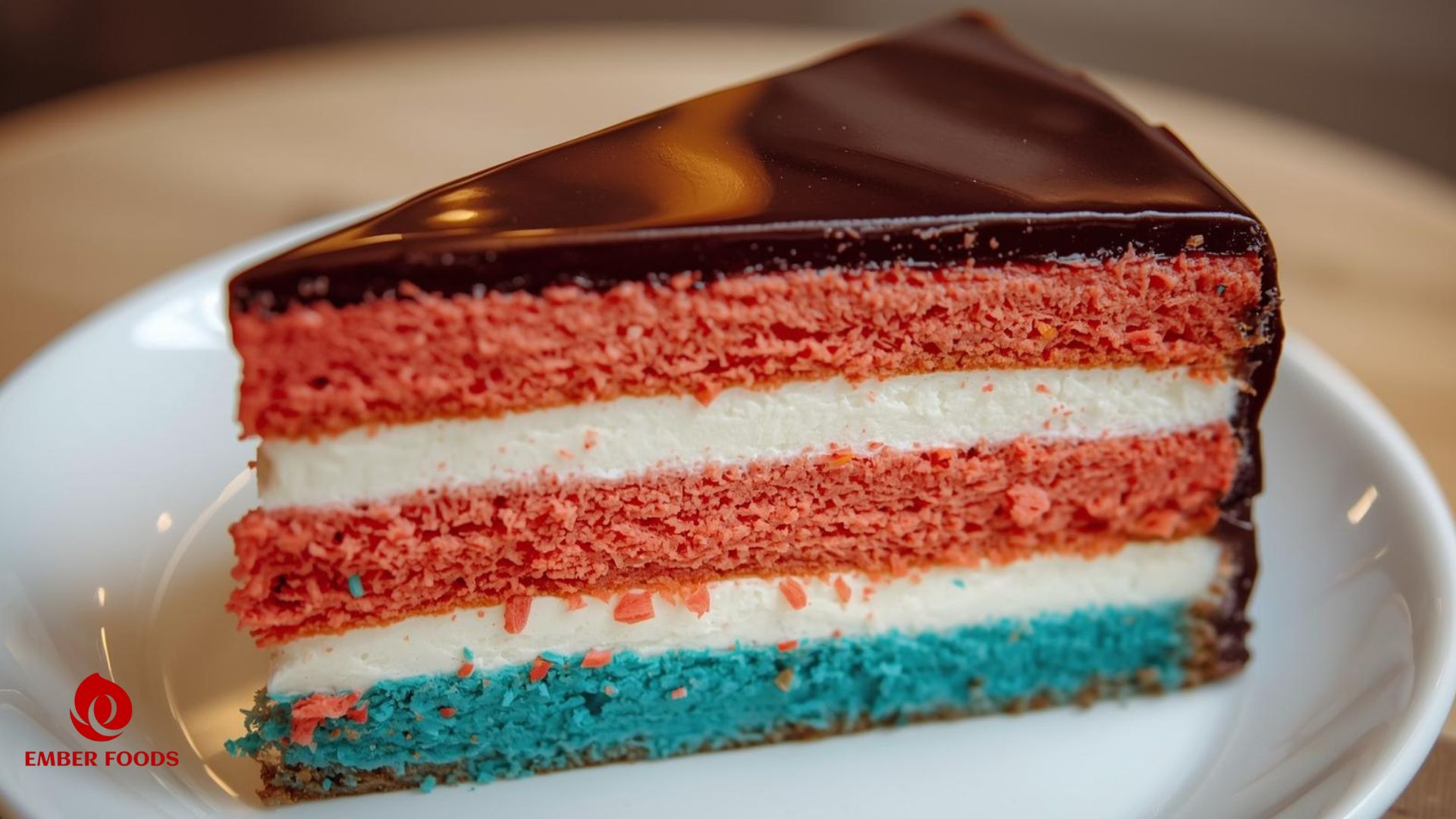
Some cakes have a sponge cake layer or a base containing cocoa powder underneath. This layer provides more firmness than the cream, giving the cake multiple textures when eaten.
However, not every Mousse cake recipe requires a cake base.
What Are the Most Common Types of Mousse Cake?
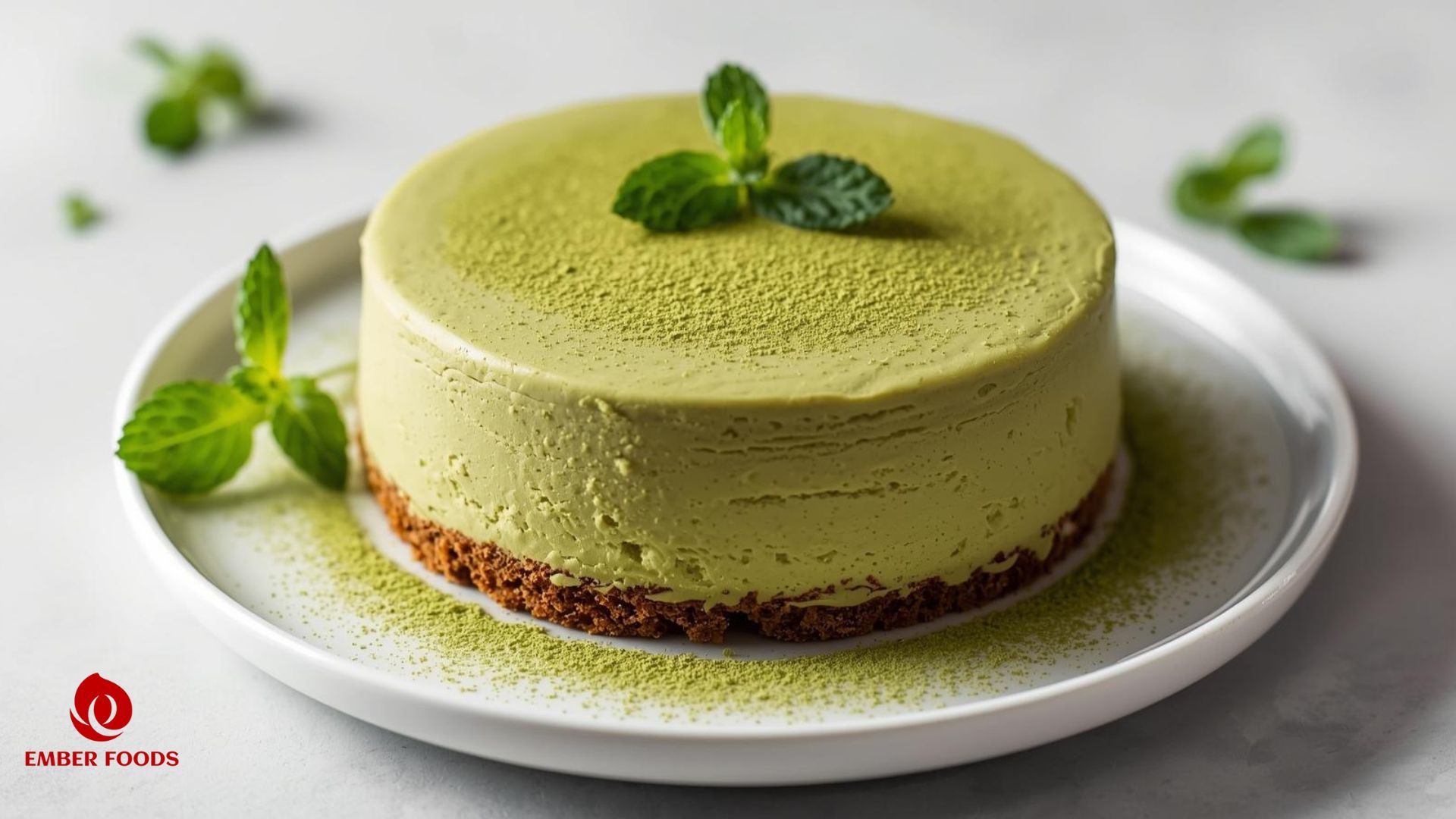
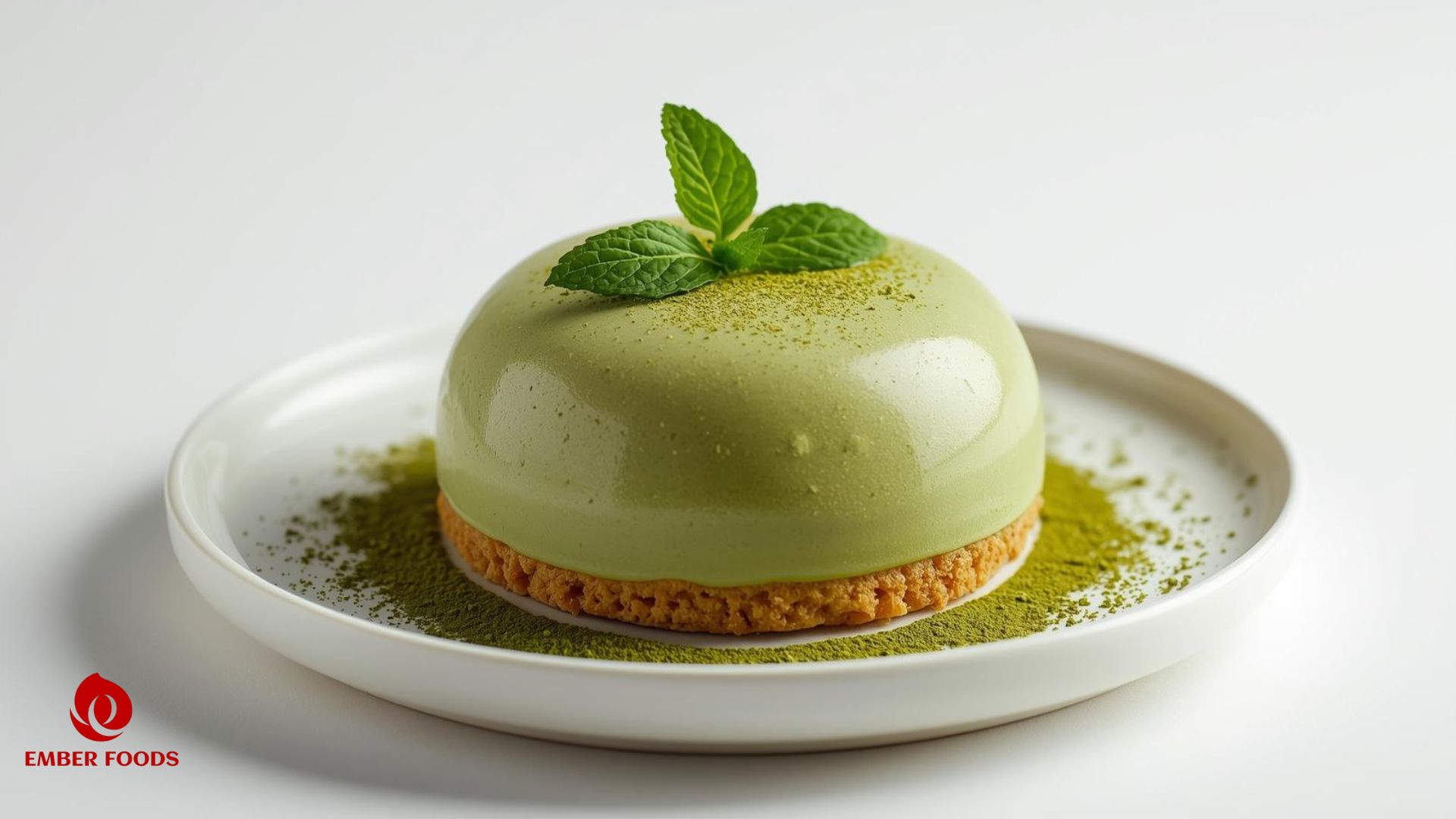
Mousse can vary considerably in flavor because the cream base can be combined with many different ingredients. Common varieties are usually named after their primary flavoring ingredient, ranging from chocolate and fruit to green tea or cheese.
Chocolate Mousse, Strawberry Mousse, and Mango Mousse
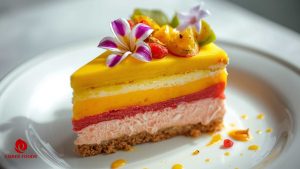
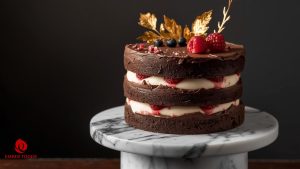
Chocolate Mousse has a richer and more intense flavor due to chocolate or cocoa powder. Strawberry Mousse and mango Mousse generally have a more pronounced fruit flavor, creating a fresher sensation in the cream.
The level of sweetness and tartness depends on the ingredients and the amount of sugar used in each recipe.
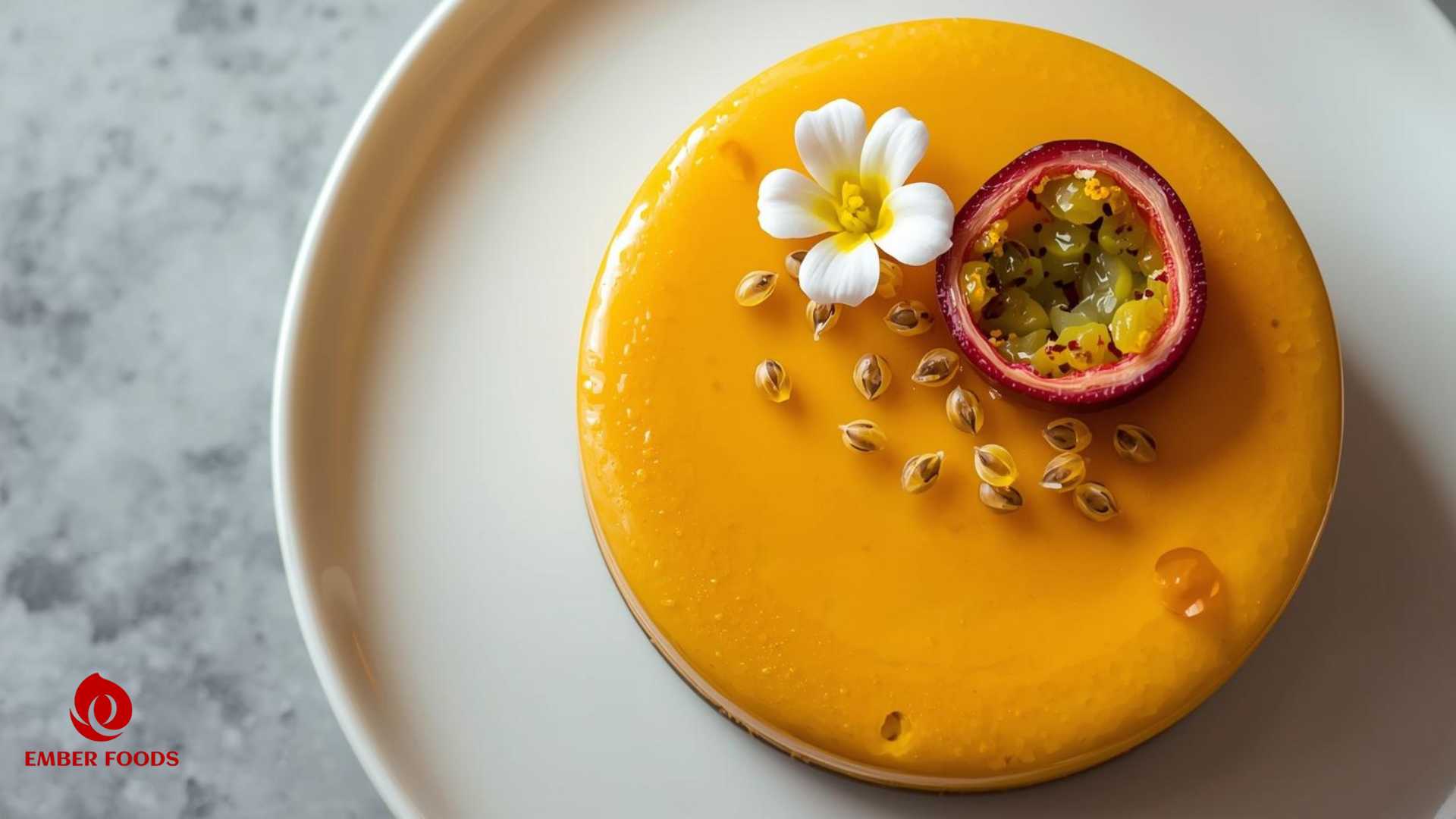
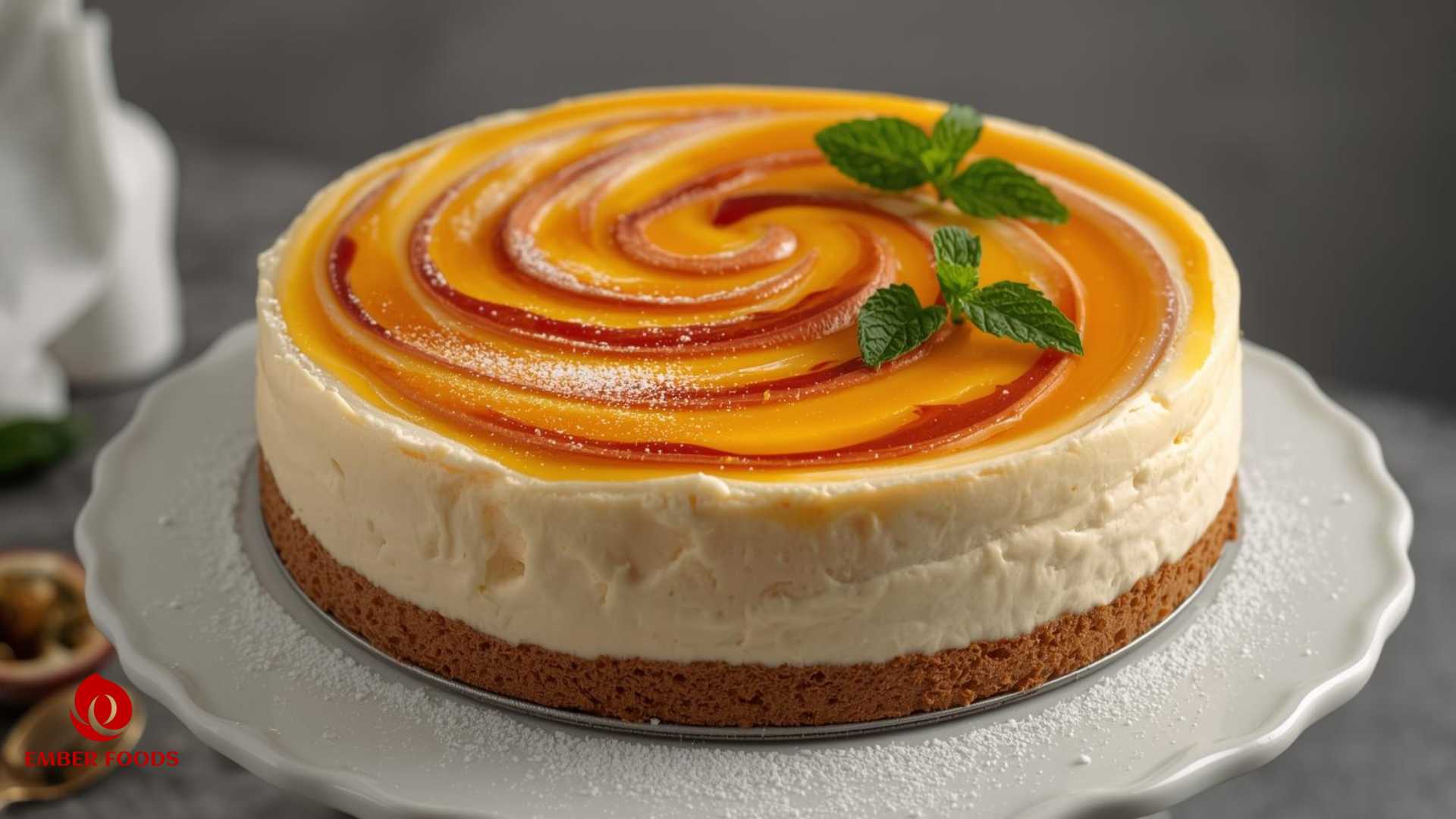
Passion Fruit Mousse, Green Tea Mousse, and Cheese Mousse
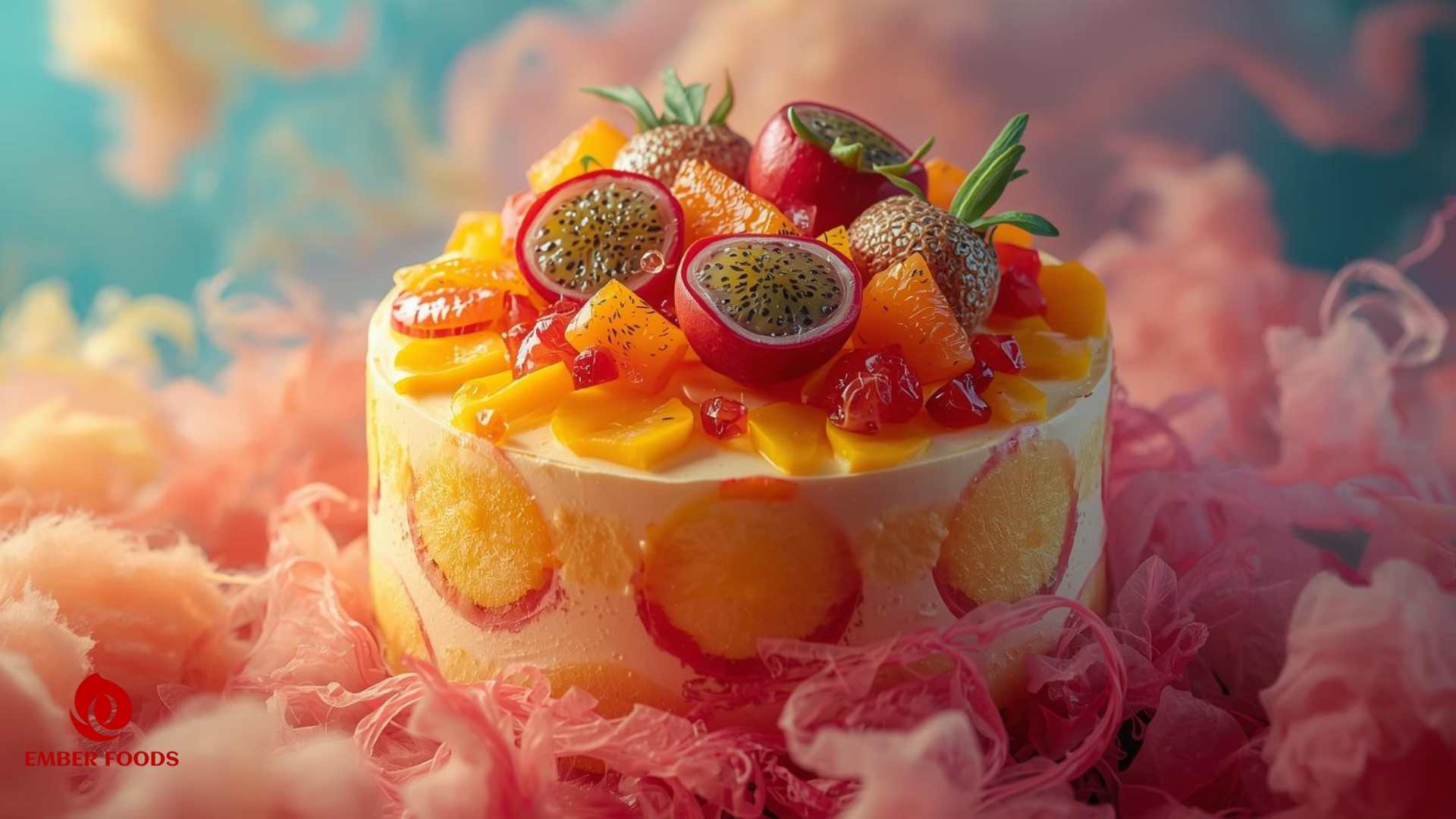
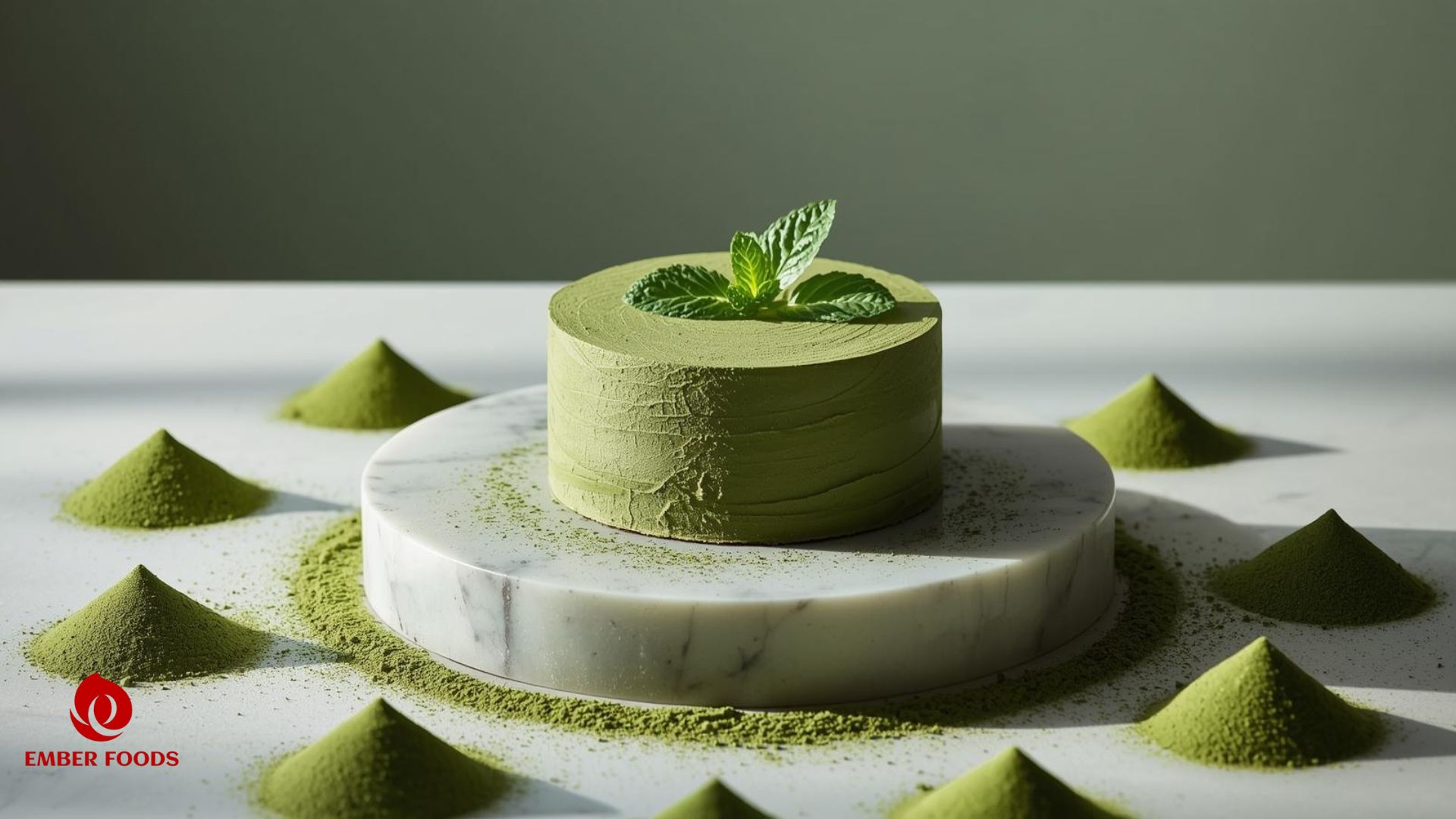
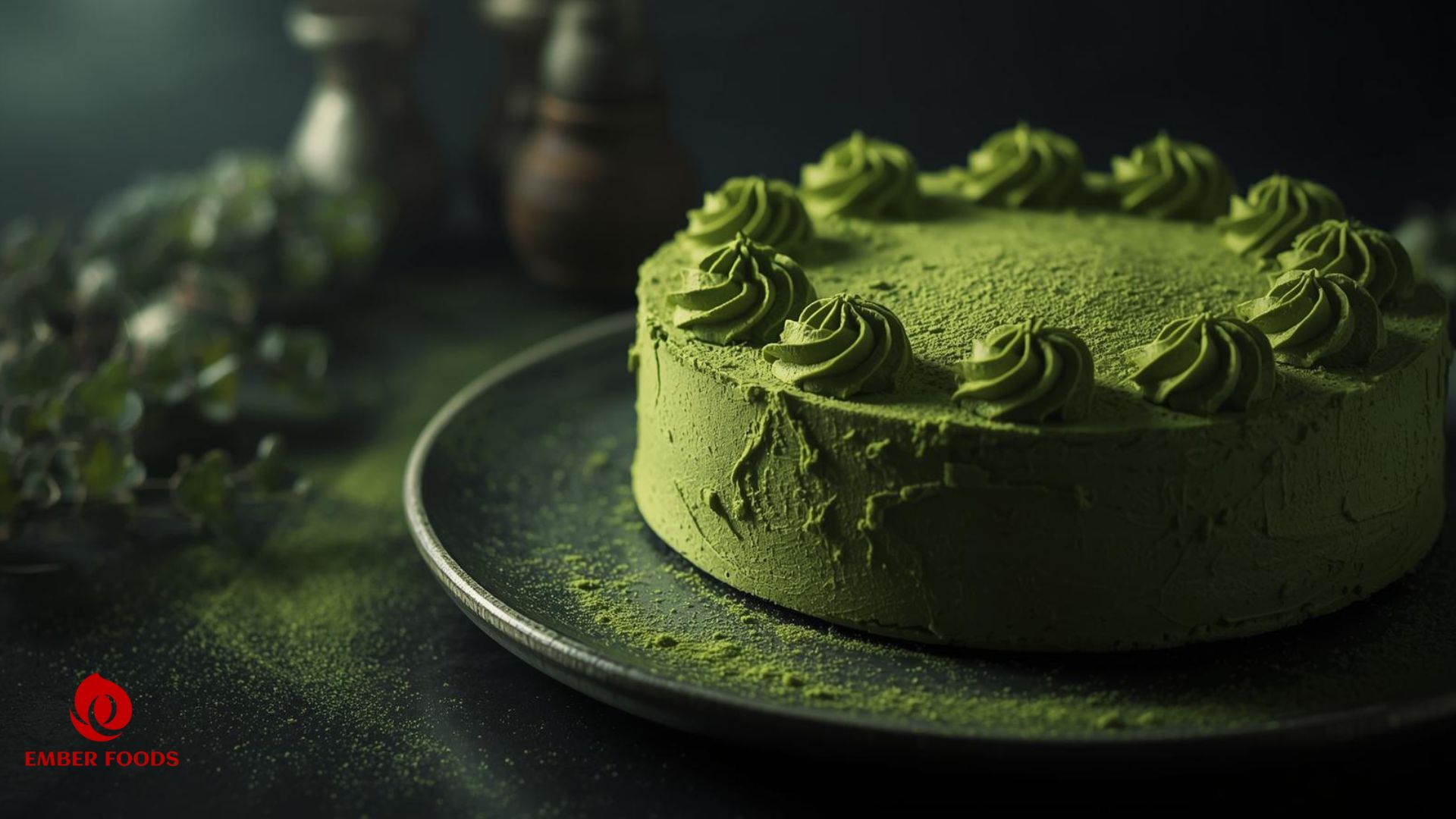
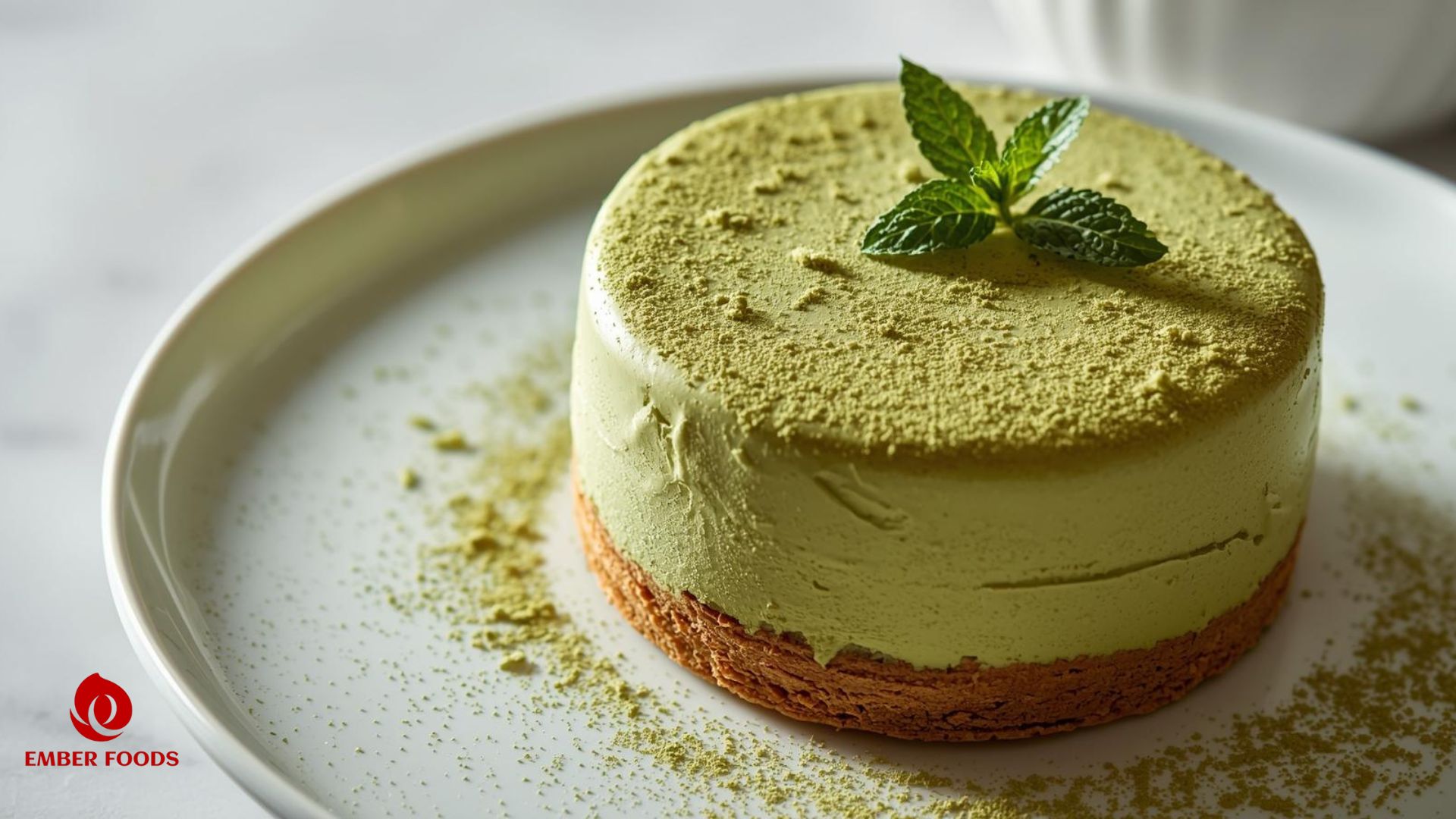
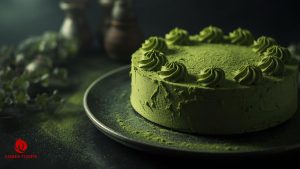
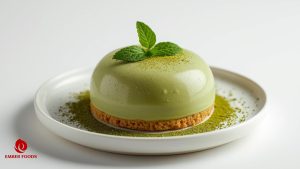
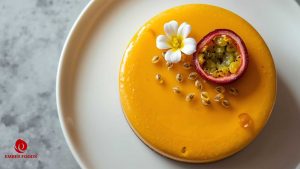
Passion fruit Mousse generally has a fragrant, tart flavor that helps balance the richness of the cream. Green tea Mousse has the distinctive characteristics of green tea, while cheese Mousse has a richer and more intense flavor.
Vanilla Mousse has a light aroma and is suitable for recipes that aim to preserve the cream flavor as the base.
Why Does Mousse Cake Have a Light, Fluffy, and Soft Texture?
The light and airy sensation of Mousse is mainly related to the amount of air bubbles retained in whipped milk cream and how the mixture is combined. When the cream is whipped to the appropriate level, small air bubbles are distributed throughout the cream structure, making the cake light and airy rather than dense and heavy. Gelatin, when used, helps maintain stability during chilling.
Whipped Milk Cream and Air Bubbles in the Mousse Mixture
Whipped milk cream creates an air bubble network that increases volume and makes the texture lighter. During mixing, excessive loss of air bubbles should be avoided because this can make the mixture denser and heavier.
Temperature also affects the cream’s ability to maintain its structure as well as the gelatin.
Chilling Helps Maintain Stability
After completion, the cake is usually chilled to help the Mousse mixture become more stable. When used, gelatin supports the structure, while the fat in the cream helps maintain its form.
The balance between ingredient ratios, temperature, and chilling time determines whether the cake remains soft while still being firm enough to hold its shape.
How Many Calories Are in Mousse Cake and How Should It Be Eaten Appropriately?
There is no fixed calorie level for every type of Mousse cake because the energy content depends on serving size and the ingredients used in the recipe. Cakes containing more milk cream, chocolate, sugar, or cheese generally provide more energy than versions using lower amounts of cream and sugar.
Carbohydrates, Fat, and Protein in a Serving
Carbohydrates mainly come from sugar and the cake layer or ingredients containing starch. Milk cream, cream cheese, and chocolate can contribute significant amounts of fat, while eggs, milk, and cheese provide varying amounts of protein.
When eating Mousse, attention should be paid to portion size and total daily nutritional intake, especially for versions containing high amounts of sugar and fat.
Article Summary
Mousse cake is characterized by its smooth, soft, light cream texture that melts easily when eaten. Whipped milk cream creates air bubbles, while gelatin in some recipes helps the mixture maintain stability after chilling. The cake can be combined with chocolate, fruit, green tea, cheese, or vanilla to create a variety of flavors. Some versions also include sponge cake or a cocoa base to create greater texture variety. The calorie content depends on the recipe and serving size, particularly the amounts of cream, sugar, chocolate, and cheese. Therefore, a moderate portion can make it easier to balance total energy intake within the diet.
Frequently Asked Questions
How Is Mousse Cake Different from Cheesecake?
Mousse cake generally has a lighter, softer, and airier texture because whipped milk cream is combined with a setting mixture. Cheesecake has a denser, richer filling with a more pronounced cheese flavor, especially in baked versions. Mousse can use fruit, chocolate, or many other flavoring ingredients. Therefore, the two types of cake differ clearly in terms of lightness, richness, and texture when eaten.
Does Mousse Cake Need Gelatin?
Gelatin is commonly used to help Mousse maintain its shape after chilling, but not every recipe requires it. Some varieties can achieve stability through cream cheese, chocolate, or other ingredients with setting properties. The amount of gelatin needs to be appropriate for the proportion of liquid and other ingredients in the cake. Using too much can cause the cake to lose its characteristic smooth and soft texture.
Is Mousse Cake High in Calories?
The calorie content of Mousse depends on the type of cream, sugar, and flavoring ingredients used. Chocolate Mousse or varieties containing large amounts of milk cream generally contain more fat and energy. Fruit Mousse can still contain a considerable amount of calories if the recipe uses substantial amounts of cream and sugar. Therefore, serving size and the actual ingredients are important factors when evaluating the cake’s energy content.